How To Test The Quality Of Water

So, you’re staring at a glass of water, wondering if it’s more “refreshing” or “revolting.” Don’t worry, we’ve all been there, especially after that tap water tasted vaguely o...
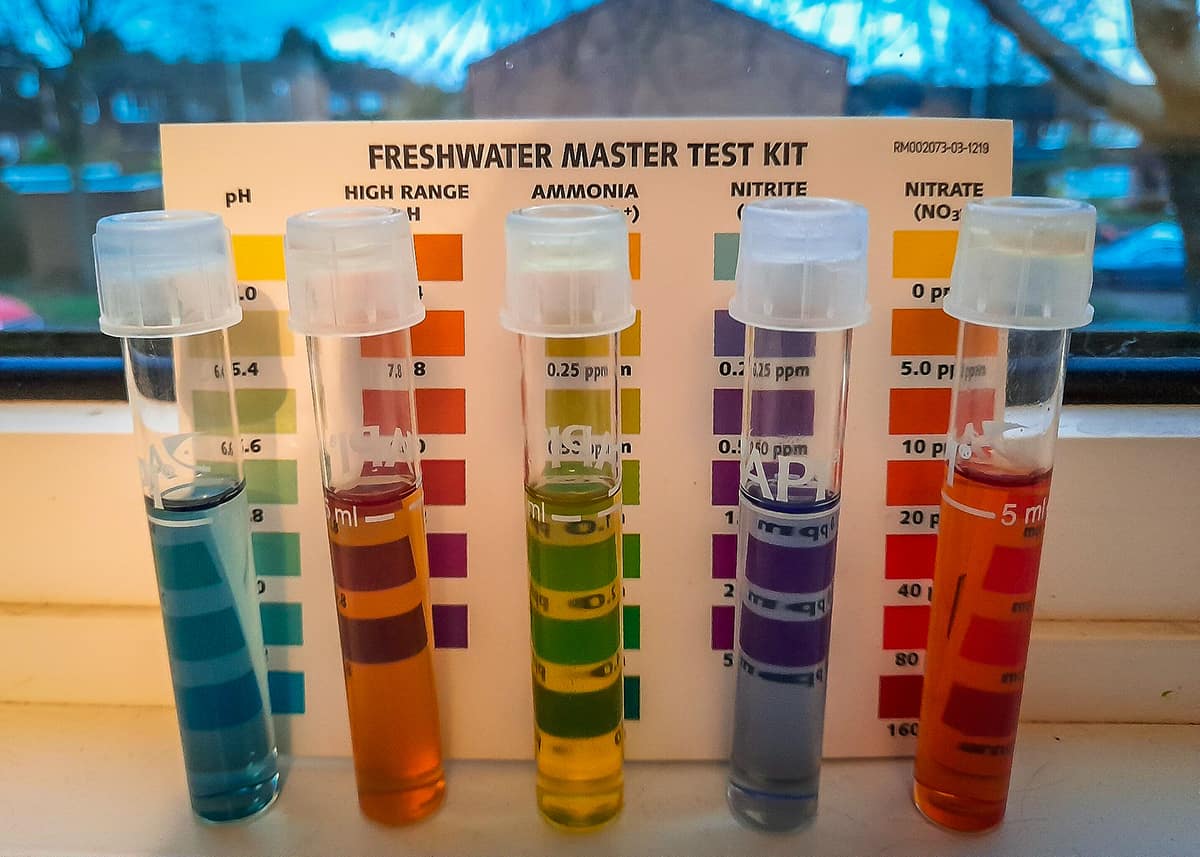
So, you’re staring at a glass of water, wondering if it’s more “refreshing” or “revolting.” Don’t worry, we’ve all been there, especially after that tap water tasted vaguely of old pennies and regret. Testing your water quality doesn’t require a lab coat or a PhD in “Hydro-Snobbery.” Let’s turn you into a water detective with a few simple, and honestly, pretty fun tricks.
The “Five Senses” Party Trick (No Equipment Needed)
First, let’s give your senses a workout. Your body is actually a pretty good water-testing machine, so trust it! Pour a glass of room-temperature water—cold hides flavors, the sneaky little devil.
Look Closely (The Sight Test)
Hold that glass up to the light. Is it crystal clear, or does it look like it’s hosting a tiny, cloudy party? Cloudiness, or “turbidity”, can mean sediment, or worse, tiny microbes doing the cha-cha. If you see anything floating—bits of white, brown specks, or what looks like dust—your water is telling you it’s “not ready for its close-up.”
Must Read
Give It A Sniff (The Nose Knows)
Stick your nose in there and take a good whiff. What do you smell? If it smells like a swimming pool (that’s chlorine), it’s probably okay, but maybe a bit overzealous. A rotten egg smell? That’s hydrogen sulfide gas, which is gross but usually not dangerous—just a sign your water took a detour through some rotting organic matter. No smell at all? Gold star for your tap!
Take a Sip (The Taste Bud Gauntlet)
Here’s the brave part—take a small sip. Let it roll around your tongue like you’re a wine critic in a very cheap vineyard. Does it taste metallic? That’s likely iron or copper from your pipes. A salty taste might mean high levels of chlorides or sulfates. A chemical, plastic-y aftertaste? Your water might have picked up some plastic pipe souvenirs. If it tastes like nothing—just pure, clean wetness—congratulations, you’ve hit the water jackpot!
The “Do It Yourself” Science Lab (Simple Kits)
If your senses are craving some data, grab a home water testing kit. They’re cheap, easy to find at hardware stores, and they make you feel like a mad scientist. Most kits use little test strips that you dip in a glass of water for a few seconds.
 Water Quality Testing Adelaide at Joseph Florence blog
The strip will change colors faster than a chameleon on a disco floor. You then match those colors to a chart that tells you about pH levels, hardness, chlorine, nitrates, and alkalinity. It’s like a mood ring for your water! Ideal pH is between 6.5 and 8.5. Hard water (high mineral content) is safe, but it leaves those annoying white spots on your dishes.
The “Hard Water” Fingerprint
You don’t even need a kit for this one. Fill a clear bottle halfway with water, add a few drops of pure liquid soap (not detergent!), and shake it like a polaroid picture. If you get a nice, fluffy cloud of suds, your water is soft. If you get a sad, wimpy layer of bubbles with a milky film on top, congratulations—you have hard water. It’s not dangerous, but it means your soap is fighting a losing battle against calcium and magnesium.
The “CSI: Kitchen Sink” Option (Special Contaminants)
For the truly curious (or the truly paranoid), you can test for specific villains. Lead test kits are a must for older homes with pipes from the pre-1980s era. These kits are a bit more involved—you usually have to let water sit in the pipes for hours before testing, so plan your “water detective work” around your Netflix binge. Bacterial tests exist too, but they often need to be sent to a lab. Think of those as the “super-sleuth” level.
 How to Test Water Quality at Home: Your Complete Guide – World Water
A Quick Note On “TDS” (Total Dissolved Solids)
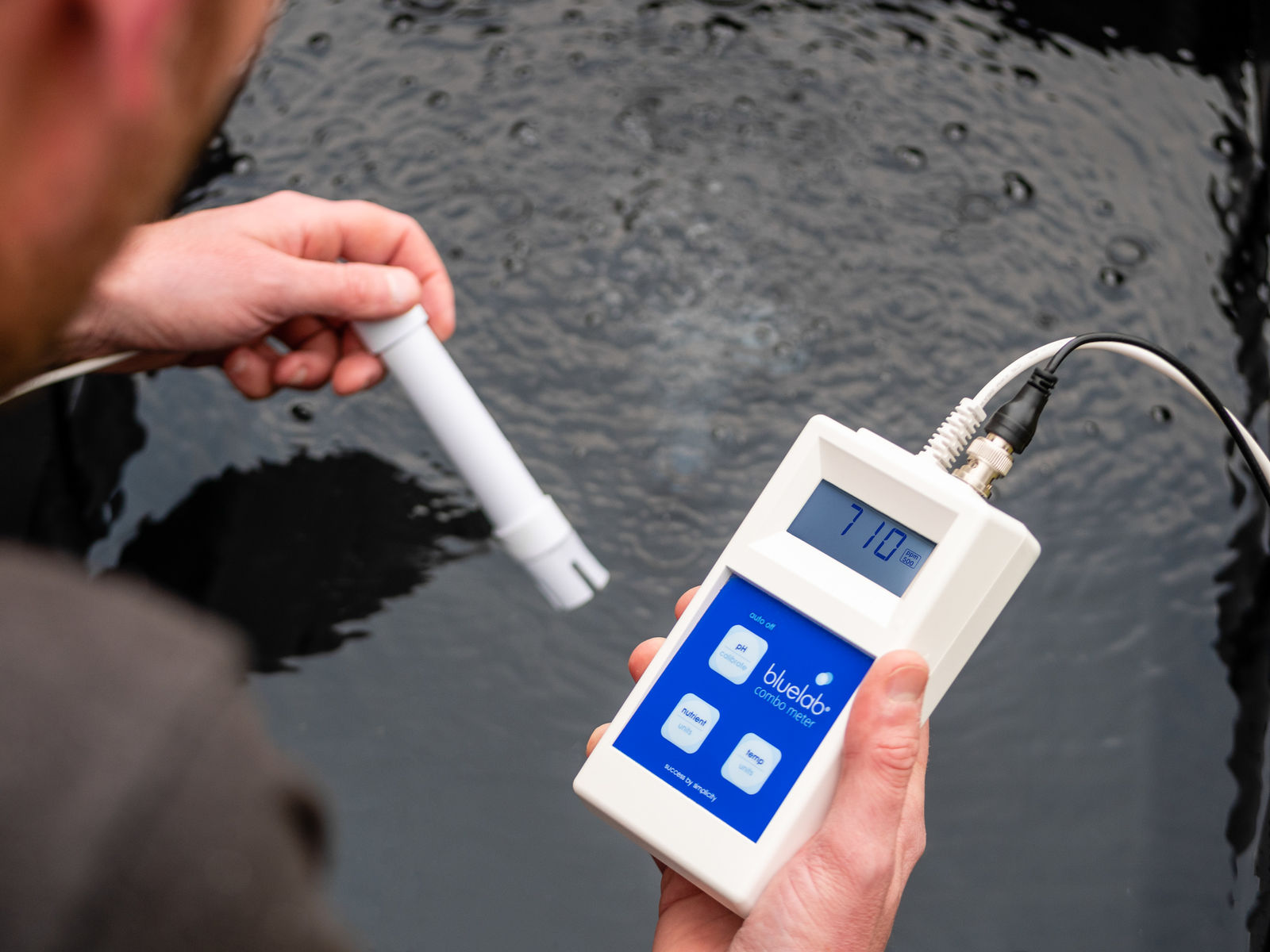
You can buy a handy little gadget called a TDS meter for about ten bucks. You stick it in water, and it gives you a number. The lower the number, the purer the water. Distilled water is usually below 10. Tap water is often 100-400. Anything over 500 and your water is basically a mineral soup. It’s safe, but it might taste a little heavy.
What If You Find Something Funky?
Don’t panic! Most water problems are not medical emergencies. If you find high lead, bacteria, or nitrates, switch to bottled water immediately and call your local health department. For minor stuff like sediment or funny taste, a carbon filter pitcher (like Brita or Pur) works wonders. For hard water or heavy metals, you might need a whole-house filter system.
Testing your water is like giving your home’s plumbing a check-up. It’s quick, cheap, and it either confirms you have perfect water or gives you a fun quest to fix it. You are now the boss of your H2O.
The Happy, Gulp-Worthy Conclusion
So, go ahead—grab a glass, do your tests, and feel like a water wizard. Whether you discover your water is pure as a mountain spring or just a little “characterful,” you’ve taken a step toward knowing what’s flowing into your body. And that’s a pretty awesome thing. Remember: the world is full of crummy water, but you don’t have to drink it. You deserve water that’s so good, it makes you want to do a happy little shimmy. Now go hydrate, you magnificent water connoisseur. You’ve earned it.
