How To Read Water Meter Readings

Let’s be honest—most of us walk past our water meter like it’s a grumpy relative at a family reunion. We nod, smile awkwardly, and keep moving. But that little spinning dial o...

Let’s be honest—most of us walk past our water meter like it’s a grumpy relative at a family reunion. We nod, smile awkwardly, and keep moving. But that little spinning dial or digital screen holds the secret to your next water bill. And trust me, getting to know it is way easier than figuring out why your cousin always brings fruitcake.
First, find your meter. It’s hiding in plain sight.
Your water meter is usually outside your house, tucked inside a concrete box in the front yard. It might be near the sidewalk, or poking out of the ground like a curious metal mushroom. Pop the lid open (gently—nobody wants a startled spider situation), and you’ll see a face that looks like a car’s odometer mixed with a clock.
Don’t panic. You’re not reading a spaceship manual. You’re just looking at numbers.
Must Read
What exactly are you looking at?
The meter has a row of numbers, kind of like the mileage on your car. Some are black on a white background, and one or two are red or on a red background. The black numbers count whole units of water (usually in gallons or cubic feet). The red numbers count fractions—tenths, hundredths, and thousandths. Think of it this way: black numbers are the big steps you take, and red numbers are the tiny shuffles.
For your bill, you mostly care about the black numbers. Ignore the red ones, unless you’re feeling fancy or have a leak to chase down.
How to actually read the thing: the simple story
Imagine you’re checking your fridge’s milk supply. You don’t count every drop—you just look at the carton’s side. Same deal here. Write down the black numbers from left to right. If it says “123456,” you have used 12,345.6 units (the last digit is a fraction). Round it to the nearest whole number if your brain starts to fog up.
Now, do this again next month. Subtract the old number from the new one, and you’ll know exactly how much water you consumed. That’s it. No algebra graveyard required.
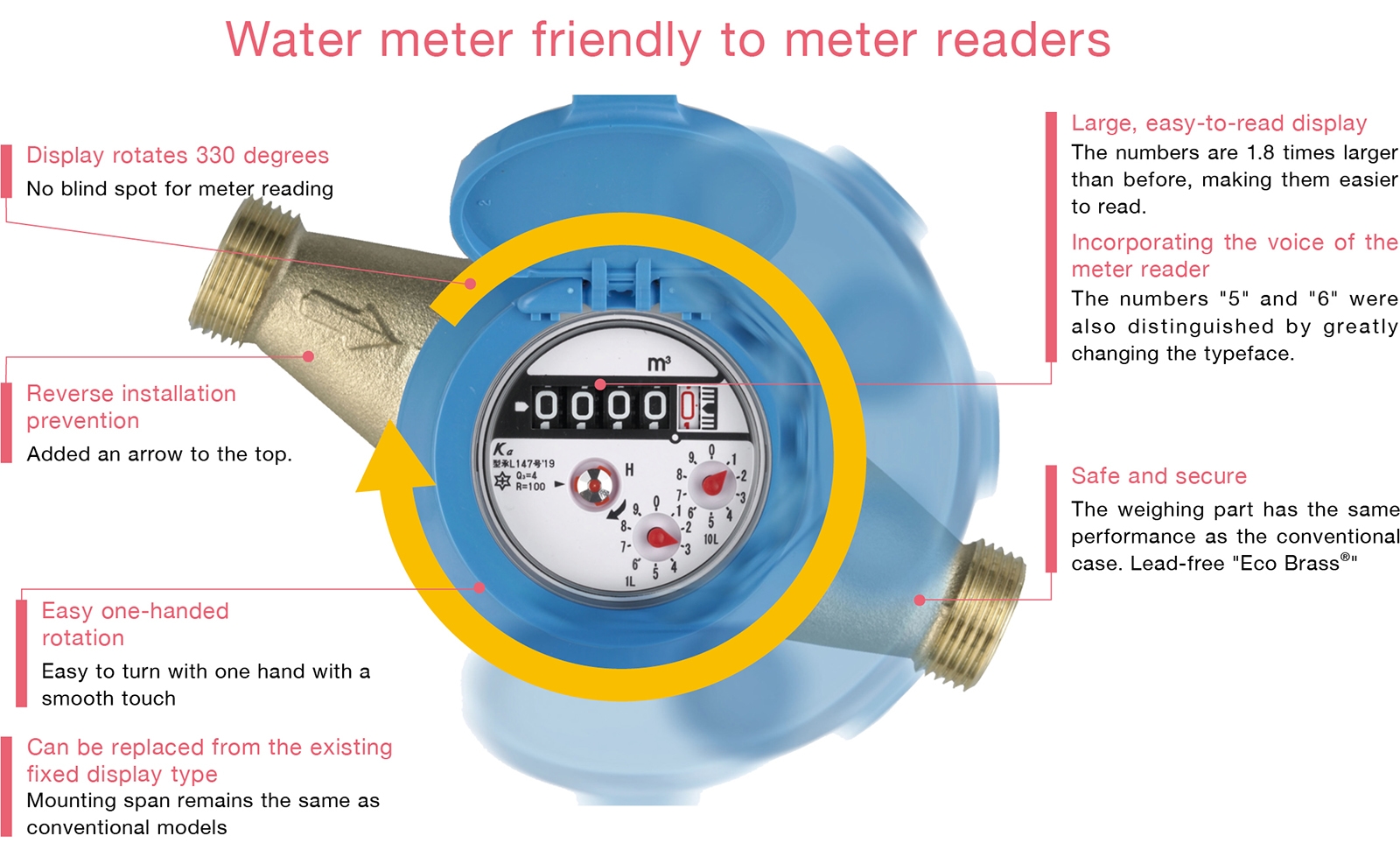 Water Meter Reading Example
But why should you care? Let me tell you a leaky story.
Last summer, my neighbor Jerry noticed his bill was higher than usual, even though he’d been watering his lawn less. He checked his meter, wrote down the number, and didn’t use a drop of water for two hours. When he looked again, the red dial was still spinning. That’s the sound of money trickling into the ground. He found a tiny drip under his sink—one he’d ignored for weeks. That leak cost him an extra thirty bucks.
Reading your meter regularly is like checking your car’s oil before a road trip. It’s a tiny habit that prevents big headaches—and big bills.
The “fun” part: spotting a leak like a detective
Turn off every faucet in your house. Shut off the washing machine, the dishwasher, the toilet’s sneaky refill. Now go stare at your water meter. See that little triangular or star-shaped dial? That’s the leak indicator. If it’s still moving when everything is off, you’ve got a leak. It might be a dripping showerhead, a toilet that sings a ghostly whisper all night, or a pipe slowly crying in the wall.
You don’t need a plumber’s hat to solve this. Just read the meter, wait an hour, read it again. If the number changed by more than a tiny fraction, you’ve got a mystery to solve. And solving it can save you from a shocking water bill.
The real reason to care: your water footprint (and wallet)
We all love a good long shower, but nobody loves paying for a leaky toilet that runs 24/7. A toilet leak alone can waste 200 gallons a day. That’s like flushing a small swimming pool down the drain every week—and paying for it. When you learn to read your meter, you take control of that story. You become the hero who says, “Not today, water bill surprise.”
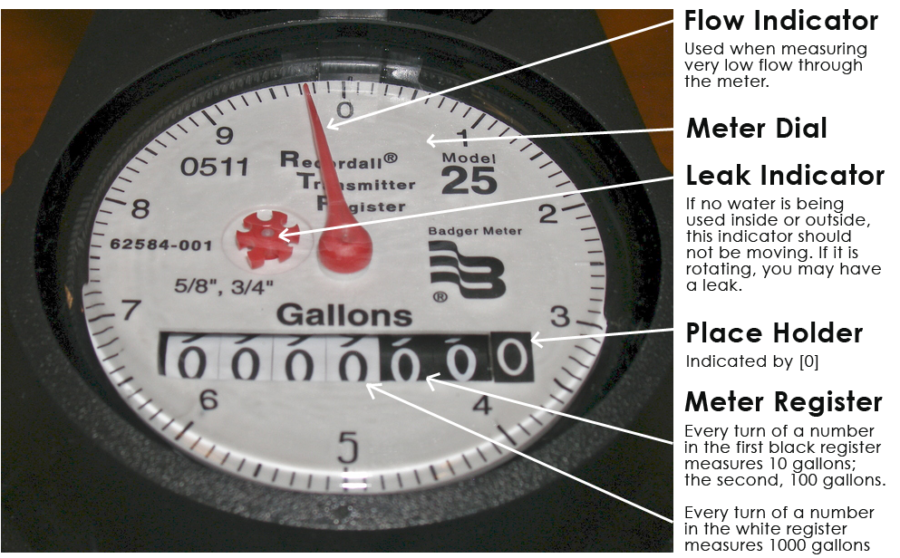 How to Read Your Water Meter - Syringa Water District
Plus, it feels weirdly satisfying. You’ll walk past your meter with a little nod, like “I see you, buddy. I know your secrets.”
A quick cheat sheet for the forgetful
Write down today’s reading. Put a sticky note on your fridge. When the next bill arrives, compare your notes. If the meter says you used 10 units but the bill says 20, call your water company politely. Sometimes meters get old or misread, and you deserve accurate billing.
And if you move to a new house? Read the meter on move-in day. Take a photo. It’s your best defense against getting charged for the previous owner’s lawn parties.
You’ve got this—really
Reading a water meter isn’t high-tech wizardry. It’s just looking at numbers, noticing if something’s off, and acting like a smart grown-up. You already read expiry dates on milk cans and guess the number of jellybeans in a jar. This is easier. And it pays you back in saving water—and saving your sanity.
So next time you see that metal lid in the yard, crack it open. Say hi to your meter. Give it a read. You might just catch a leak before it catches you. And that, my friend, is a quiet victory you can feel good about.
