Why Is My Water Yellowish Brown

So you turn on the tap, expecting a crystal-clear stream—and instead, you get something that looks like it was brewed by a beaver after a heavy night. Your water is yellowish...
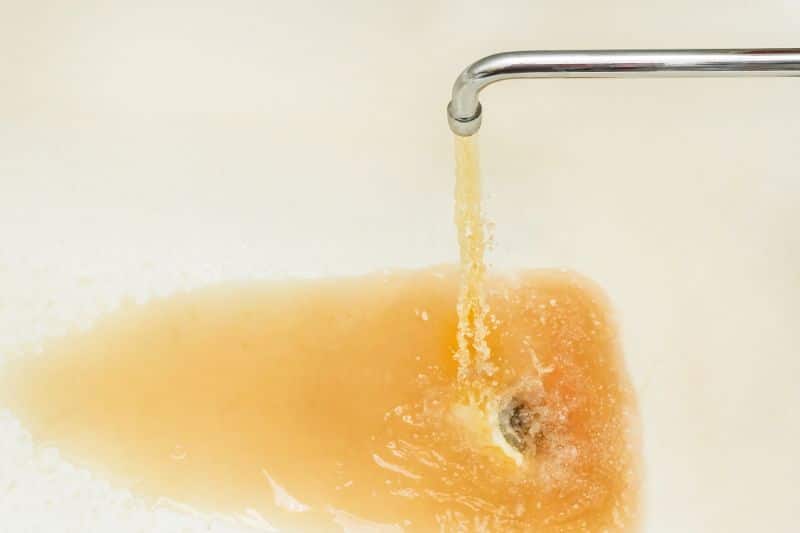
So you turn on the tap, expecting a crystal-clear stream—and instead, you get something that looks like it was brewed by a beaver after a heavy night. Your water is yellowish brown, and now you’re wondering if you’ve accidentally moved into a swamp. Relax. You’re not doomed to drink from a puddle; there’s a surprisingly simple (and non-scary) explanation.
First, let’s rule out the obvious: you are not in a apocalypse survival movie. Unless the sky turned orange and your neighbors started growing mushrooms on their dogs, you’re fine. The most common culprit is iron or manganese in your water supply. These minerals are natural—think of them as Earth’s way of adding a little rustic flair to your hydration.
Iron: The Original "Natural Flavor"
Iron in water is like that one friend who shows up uninvited to every party—it’s harmless, but it leaves a stain. When iron oxidizes (rusts), it turns your water a lovely shade of amber. Fun fact: The same chemical reaction gives Mars its red color. Your tap water is literally channeling the Red Planet. Space water, anyone?
Must Read
But wait—is it safe to drink? Yes, absolutely. In fact, the US Environmental Protection Agency says iron isn’t a health hazard at typical levels. It might make your iced tea taste a little “earthy,” but it won’t send you to the hospital. Unless you’re a fish—then it can be a problem, but you’re not a fish, right? Right.
Manganese: The Sneaky Partner in Crime
Manganese is iron’s quirky sidekick. It turns water a darker brown, almost like weak coffee. Surprising fact: Manganese is essential for human health—you need it for bone formation and metabolism. But too much can give your water a “metallic” twang. Think of it as nature’s way of reminding you that your water has character.
If your water suddenly turns a deep brown, don’t panic—it’s probably because your local water utility flushed the pipes. Yes, they flush pipes like you flush a drain after a bad batch of chili. They’re cleaning out sediment, and you get a temporary “rusty” show. It’s like a free education on civil engineering.
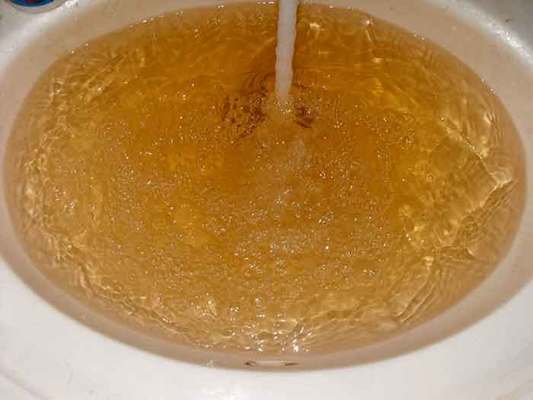 Why is My Water Brown? Is it Safe or Harmful? - Amarco Plumbing
When It’s NOT the Minerals (And You Should Be Worried)
Now, let’s get serious for a moment—because I can hear you thinking, “But what if it’s poop?” Relax, it’s not poop. Unless you live in a country with really bad sewage—and you’d know because the smell would knock a buzzard off a gut wagon. Yellower-brown water from organic decay is rare in municipal systems, but it can happen if you’re on a well. In that case, get it tested for tannins (from decaying plants) or bacteria. Tannins are harmless; bacteria is not. Get a test kit. It’s cheaper than a therapy session.
Another possibility: corroded pipes. If your home has old galvanized steel pipes, they can shed rust flakes into your water. This is more common in homes built before the 1960s. It’s like your pipes are molting—but instead of snakeskin, you get rust water. Charming. Replace the pipes if you can afford it; otherwise, just run the tap for a minute before filling your glass.
Surprising Facts to Impress Your Friends
Here’s a mind-bender: clear water can turn brown after it leaves the tap. That’s right—if you let a glass sit out, the dissolved iron oxidizes and turns rusty. You are witnessing chemistry in your kitchen! Plus, hot water can make the color worse because heat speeds up oxidation. So if you make tea with brown water, it looks like tea from the start. Pro tip: use cold water for coffee.
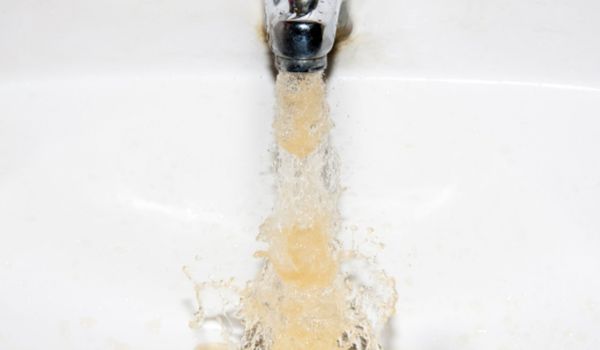 Water Yellow Tint
Also, did you know that some people pay good money for “brown water” at fancy spas? They call it “mineral water” and charge $10 a bottle. Your tap is basically a discount spa. Go ahead, pretend you’re in a luxury resort—just don’t add a cucumber slice if the water smells like pennies.
What to Do If You’re Still Freaking Out
If your water is yellowish-brown and also smells like bleach, rotten eggs, or a swamp, call your water company. But if it just looks like a light iced tea, you’re fine. Run the tap for 10 minutes to flush the line. If it clears, it was just sediment. If it doesn’t clear, install a sediment filter or a whole-house iron filter. It’s like giving your water a tiny spa treatment.
And if all else fails, embrace the color. Name it “Amber Dawn” or “Rustic Glacier.” Your friends will think you’re a connoisseur of fine water. Just don’t serve it at a dinner party without a warning—you don’t want your mother-in-law thinking you’re brewing mystery potions.
So there you have it: your yellowish-brown water is mostly harmless, often ironic, and always a conversation starter. The next time it happens, raise a glass and say, “Cheers to rusty minerals and the absurdity of modern plumbing.” Your water might not be clear, but your mind just got a whole lot clearer.
