Why Was Fluoride Added To Water

Picture this: It’s the early 1900s in Colorado Springs. A dentist named Dr. Frederick McKay notices something weird—his patients’ teeth are covered in brown stains, yet strang...
Picture this: It’s the early 1900s in Colorado Springs. A dentist named Dr. Frederick McKay notices something weird—his patients’ teeth are covered in brown stains, yet strangely resistant to cavities. He calls it “Colorado Brown Stain,” and nobody knows why. You’d think stained teeth would be a nightmare, right? Well, McKay had a hunch that whatever caused the stains was actually protecting teeth from rot. And he was right.
That brown stain? It came from naturally high levels of fluoride in the local water supply. This “cosmetic” problem hid a dental superpower: fluoride made tooth enamel harder and tougher against acid attacks. So, someone smart asked: what if we added tiny, safe amounts of fluoride to everyone’s water? Not enough to stain teeth, but enough to fight cavities. Boom—the idea of water fluoridation was born.
The conspiracy theory that isn’t
Let’s address the elephant in the room—no, fluoride wasn’t added to water as a mind-control plot or a way to make us docile. The real story is way more boring, and frankly, a lot more wholesome. In the 1940s, scientists ran a massive experiment in Grand Rapids, Michigan. They pumped fluoride into the water, and over a decade, cavity rates plummeted by 60% in kids. Imagine telling your dentist you only got one cavity instead of three. That’s the kind of result that gets public health officials excited.
Must Read
Wait, why not just use toothpaste?
Good question, and you’re not the first to ask. Fluoride toothpaste didn’t become common until the 1970s, and it’s not a replacement for fluoridated water. Here’s the thing—topical fluoride (like from toothpaste) helps teeth on the surface, but systemic fluoride (from water) builds stronger teeth from the inside out, especially when kids’ adult teeth are forming. Plus, not everyone brushes twice a day, but everyone drinks water. It’s like a nutritional safety net for your mouth.
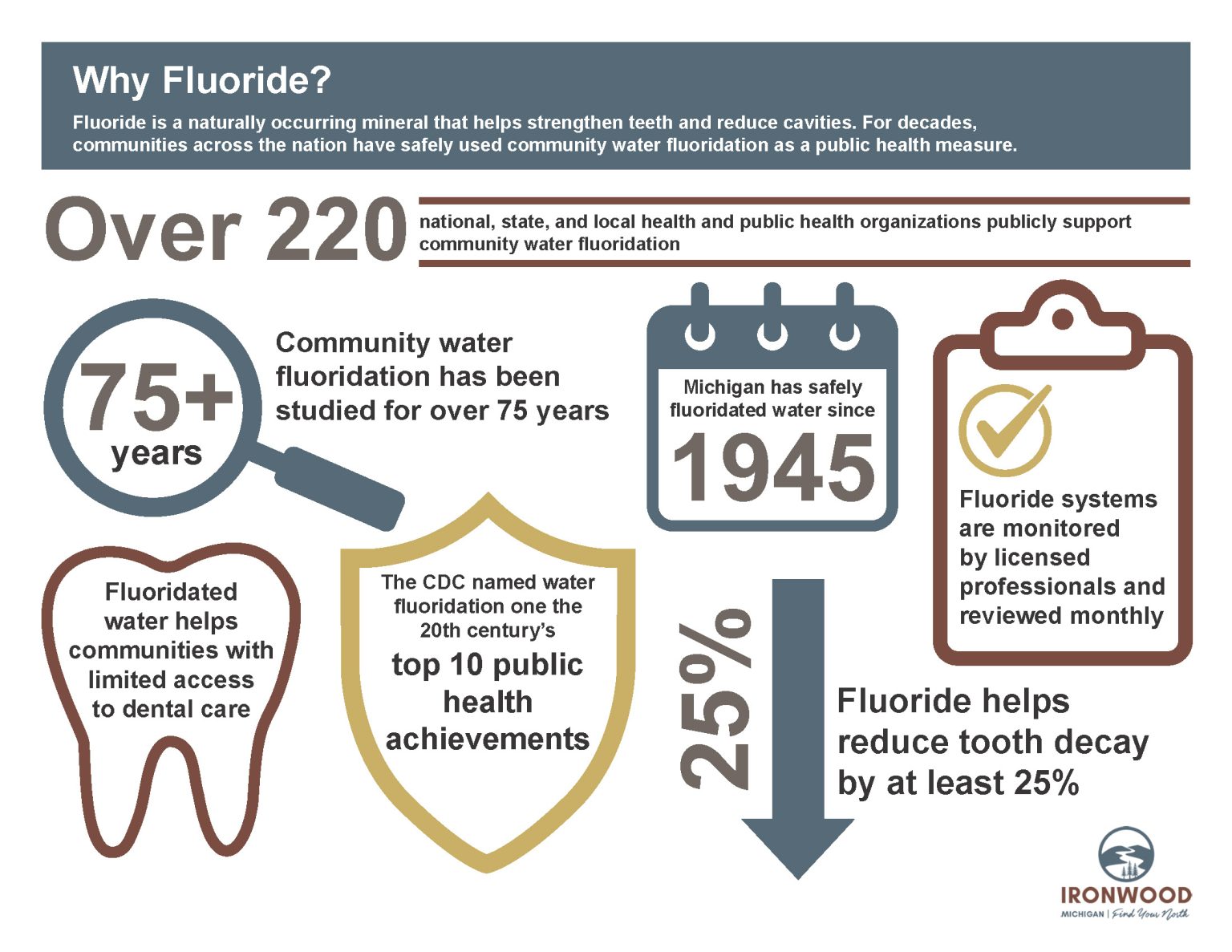
Today, about 75% of the U.S. has fluoridated water, and the World Health Organization calls it one of the top 10 public health achievements of the 20th century. Seriously, it’s up there with vaccines and seat belts. The goal was never to force anything—just to give teeth a fighting chance, especially for families without access to dental care or fluoridated toothpaste.
 Why is fluoride added to water? | #aumsum #kids #science #education #
The backlash story (because of course there’s one)
Now, let’s talk about the drama. From the start, some people worried that adding fluoride to water was like mass-medicating without consent. Even Dr. McKay’s colleague, Dr. Trendley Dean, had to fight against the “poison” label. Spoiler: yes, fluoride is toxic in massive doses—like eating a tube of toothpaste—but the tiny amount in water (0.7 parts per million) is safer than the chlorine in your tap. The real issue? In the 1950s, a few misguided activists started claiming fluoride was part of a communist plot, which… was a wild leap even back then.
Modern criticism focuses on dental fluorosis—those faint white streaks on teeth from too much fluoride as a kid. It’s mostly cosmetic, not painful, and affects about 1 in 4 children in fluoridated areas. But health officials argue that the cavity reduction far outweighs the risk of spots. Would you rather have a few streaks or a mouth full of fillings? That’s the trade-off.
 PPT - The Earth’s water PowerPoint Presentation, free download - ID:5340219
The irony that nobody talks about
Here’s the kicker: the same people who scream about fluoride in water often buy bottled water filtered through reverse osmosis, which strips fluoride out. Meanwhile, their kids drink sugary sodas and sports drinks that destroy teeth. The real enemy isn’t fluoride—it’s the 40 grams of sugar in one can of Coke. But hey, let’s focus on the tap water, right?
So why was fluoride added to water? To make teeth stronger, cheaper, and fairer for everyone. It wasn’t a marketing scheme by aluminum factories (another myth—see “The Fluoride Deception” book hoax). It was a simple, scientific solution to a painful, expensive public health problem. Next time you take a sip from the tap, give a little nod to Dr. McKay and his brown-stained, cavity-proof teeth. They started a revolution, one glass at a time.
