Does Carbonated Water Cause Gas

Let’s be honest, we’ve all been there. You crack open a sparkling water on a hot afternoon, take a long, refreshing gulp—and about twenty minutes later, your stomach starts si...
Let’s be honest, we’ve all been there. You crack open a sparkling water on a hot afternoon, take a long, refreshing gulp—and about twenty minutes later, your stomach starts singing a little tune.
It’s less a melody and more of a rumble-gurgle-pop that makes you wonder if you swallowed a live frog. The question hangs in the air: does that bubbly water actually cause the gas? The short answer is yes, but the real story is way more fun than a simple yes.
The Fizzy Physics of Your Tummy
Imagine your stomach as a busy little soda factory. Every time you drink carbonated water, you’re pouring in thousands of tiny carbon dioxide bubbles.
Must Read
Those bubbles don’t just disappear; they’re guests that want to leave the party. Your body has to let them out, either by burping or by moving south for a more quiet exit.
It’s like shaking up a bottle of soda and then quickly unscrewing the cap—except the cap is your esophagus, and the mess is inside you. That feeling of fullness? That’s the bubble crew getting comfy.
A Tale of Two Tulips
Think of your digestive system as a garden path. Plain water is like a gentle rain—it flows through easily, no fuss.
Carbonated water, however, is like a bucket of popping candy. It’s exciting and fun, but it’s also fizzing and expanding as it travels. Some paths are wider and handle the fizz just fine.
Other paths are a bit more twisty. If your garden path has a few rocks (or, you know, sensitive digestion), those bubbles can get trapped, creating that bloated, “I’m-a-human-balloon” feeling.
The Surprising Swap
Here’s a twist that might make you smile: carbonated water often causes less gas than sugary sodas. Why? Because sugar feeds the bacteria in your gut, and those bacteria throw a party that produces even more gas.
So swapping that cola for a plain sparkling water is like switching from a heavy metal concert to a gentle acoustic set for your insides. You might still get a few pings, but you won’t get the full symphony.
It’s not the bubbles’ fault entirely—it’s what you add to them. A squeeze of lemon? Fine. A handful of artificial sweeteners? Brace for impact.
 Carbonation
The Belch Factor
Let’s talk about the most obvious way bubbles escape: the noble burp. Sipping sparkling water fast is like chugging a beer—you’re just swallowing air along with the fizz.
Try drinking it slowly over an hour. Your body can process the bubbles in smaller waves, like waves lapping on a shore rather than a tsunami.
One reader told me she calls it her “fizz meditation.” She sips, waits, and lets the bubbles do their gentle dance. No drama, no sudden gurgles.
Why You Should Care (Besides Embarrassment)
You might think, “Who cares if I get a little gassy?” Well, caring is about comfort and confidence. Nobody wants to be in a meeting, feeling like a ticking time bomb of air.
It’s about knowing your body’s quirks. If you love the fizz (and who doesn’t—it’s so refreshing), you can make small tweaks.
For example, pour your sparkling water into a glass and let it sit for two minutes. The first aggressive bubbles escape, leaving a gentler fizz. It’s like letting a wild pet settle down before you pet it.
The Real Villain Might Be Dinner
Here’s a little secret: carbonated water rarely works alone. It’s often paired with a big meal or eaten alongside things like beans, broccoli, or cheese.
That’s a dream team for gas. The bubbles amplify the effects of other gas-producing foods. It’s like adding a fog machine to an already smoky room.
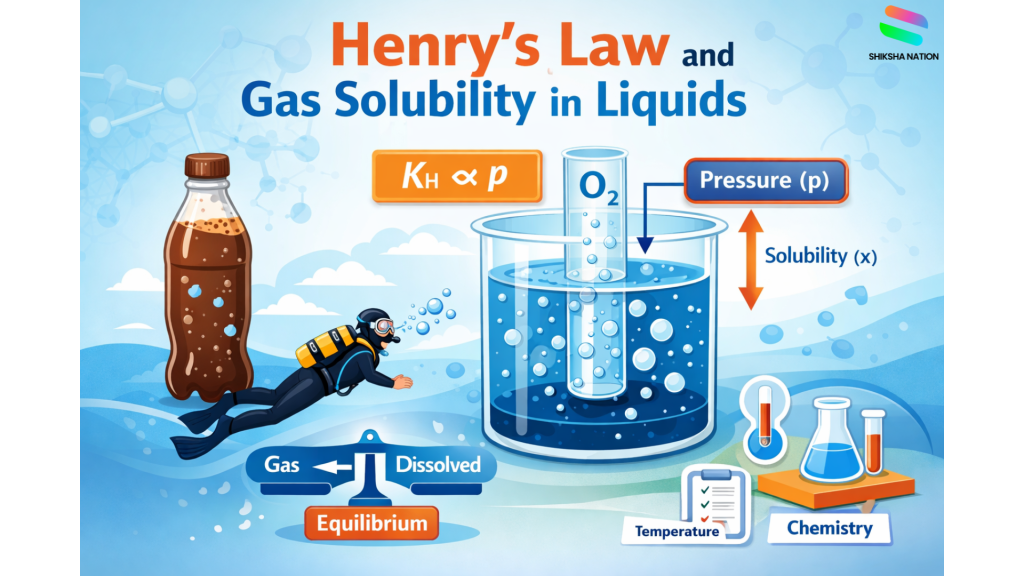 Henry’s Law: Solubility of Gases in Liquids (Class 11)
So if you’re feeling bloated after a sparkling water and a salad, don’t blame the bubbles alone. Blame the whole constellation of culprits on your plate.
Your Gut’s Love Language
Everybody’s gut has a different love language. Some people can chug a liter of club soda and feel fantastic. Others get one sip and feel like they’re housing a hot air balloon.
The key is experimentation. Try a single glass after a light snack. Notice how you feel. If it’s a gentle burp and a smile, you’ve found your match.
If you get a grumpy gurgle that lasts an hour, maybe stick to still water with a splash of juice. Your stomach is a conversation partner—listen to it.
A Simple Test
Want a fun weekend science project? Drink a glass of still water one day, then a glass of carbonated water the next. Keep a little journal.
Note how you feel after thirty minutes. You might be surprised: the carbonated version might make you burp one polite burp and then feel empty and refreshed.
Or you might discover that the fizzy stuff turns your insides into a jazz band. Either way, you learn something valuable about yourself. Knowledge is power—and fewer awkward stomach sounds.
So, does carbonated water cause gas? Yes, but it’s usually a temporary, manageable guest. It’s not a monster under your bed; it’s just a cheerful little bubble that needs a way out. Drink it mindfully, pair it with friendly foods, and you can enjoy that crisp fizz without declaring war on your own intestines.
And if a burp slips out? Just smile and blame it on the water. We all understand.
