Where Does Sink Water Come From

Have you ever stood at your kitchen sink, watching water swirl down the drain, and suddenly thought: Wait... where did this stuff actually come from? It’s a simple question, b...
Have you ever stood at your kitchen sink, watching water swirl down the drain, and suddenly thought: Wait... where did this stuff actually come from? It’s a simple question, but the answer is way cooler than you might expect. Let’s dive in—because the journey of your tap water is basically a blockbuster movie, starring clouds, dirt, and a little bit of human cleverness.
The Big Picture: It All Starts with Rain
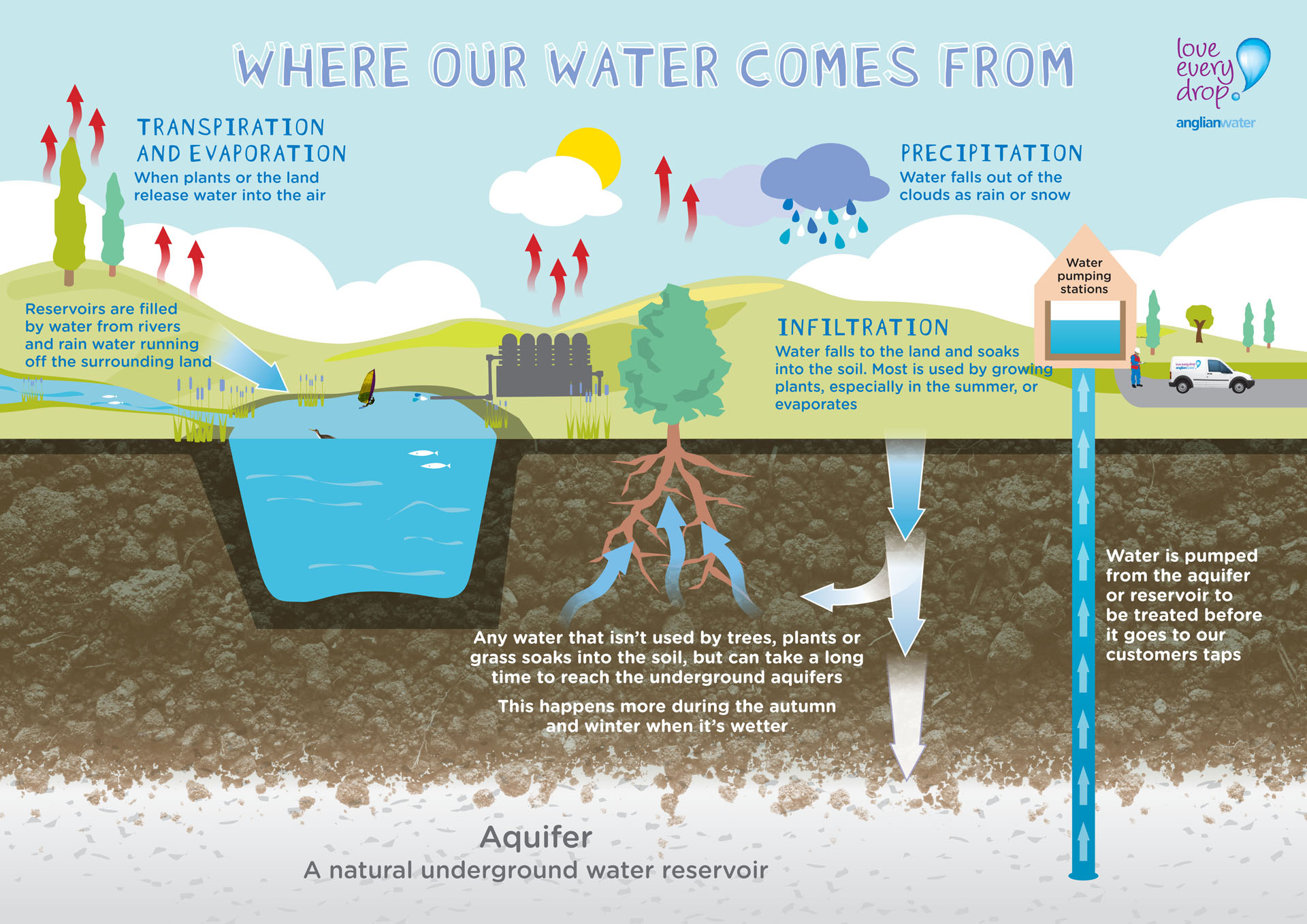
Believe it or not, the water splashing in your glass started its life as a raindrop, falling somewhere far away—maybe on a mountain, a forest, or even your own roof. That rain soaks into the ground or runs into rivers and lakes, creating the giant reservoirs that cities rely on. So you’re basically drinking yesterday’s weather—how weird and wonderful is that?
But here’s the kicker: that same raindrop might have been part of a dinosaur’s bath millions of years ago. No joke—Earth’s water is a recycled superstar, and the molecules in your sink have been around since the planet formed. Next time you turn on the faucet, you’re holding a piece of ancient history.
Must Read
The Underground Secret: Groundwater
Not all sink water comes from rivers or lakes. Some of it is pulled from aquifers—giant, hidden layers of rock and sand deep underground that act like nature’s sponges. Think of it as a secret water vault, sealed beneath your feet, waiting for a well to tap it.
This groundwater can be ancient, sometimes thousands of years old. It’s filtered naturally as it trickles through sand and stone, which is why it often tastes so clean and crisp. Pretty amazing that a drop of rain from the age of the pyramids could be rinsing your toothpaste down the drain, right?
The Treatment: How Raw Water Becomes Drinkable
Okay, so the water starts as rain or groundwater—but it’s not exactly ready for your sink yet. Raw water is usually packed with dirt, bacteria, and tiny particles you definitely don’t want in your morning coffee. That’s where the magic of a water treatment plant comes in.
 What Does Sink Mean Geography at Geoffrey Schultz blog
Think of it like a giant spa day for water. It gets filtered through sand and gravel, zapped with disinfectants like chlorine, and sometimes even blasted with UV light to kill any nasties. By the time it reaches your faucet, it’s been more thoroughly cleaned than your favorite pair of jeans.
The best part? All this happens in a few hours—from a muddy river to a crystal-clear glass. That’s faster than you can binge a Netflix series. And yet, you probably never even think about the army of filters and pipes doing the heavy lifting.
The Pipes: The Invisible Highway
Once treated, the water doesn’t just teleport to your sink—it has to travel through a labyrinth of pipes buried under your streets. These pipes are like the city’s circulatory system, carrying H2O to every faucet, shower, and washing machine in your neighborhood.
 Where Does Sink Water Come From – VQQZ
Fun fact: some of those pipes are made of cast iron or plastic, and they can be decades old. They’ve seen more rain and snow than any weatherman ever will. A little bit of rust or mineral buildup might happen over time, but generally, the system works because engineers are really good at their jobs.
Where Does It Go? (The Loop Never Ends)
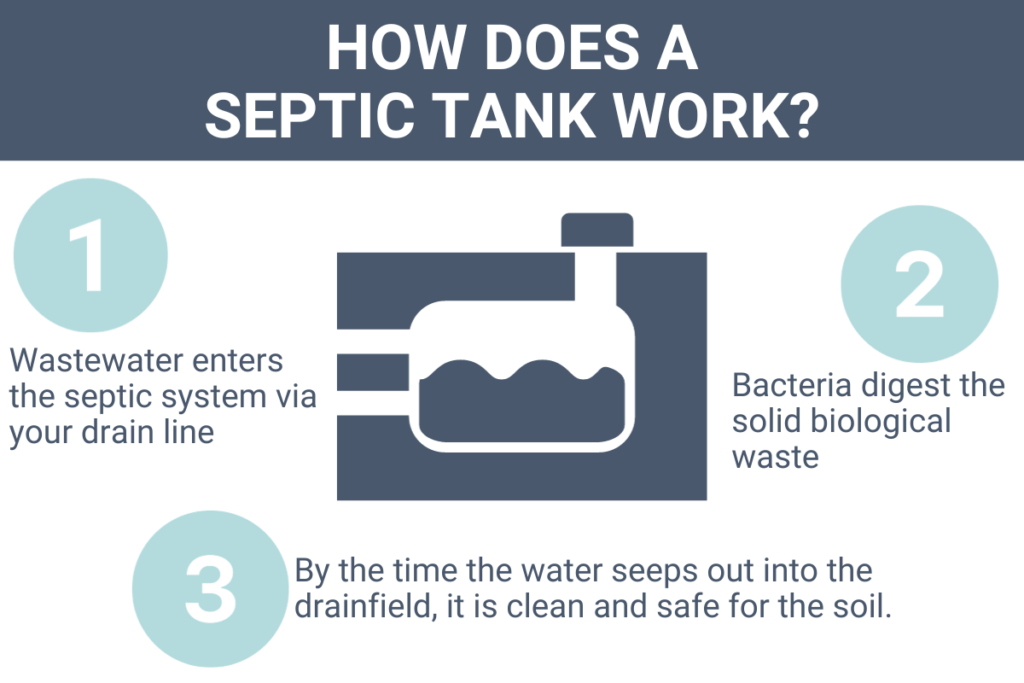
Now for the mind-bending part: after you wash your hands or make pasta, that water goes down the drain into the sewers. But it doesn’t disappear—it ends up at a wastewater treatment plant, where it gets cleaned all over again. And then? It’s often released back into rivers or oceans, where it evaporates, forms clouds, and rains down once more.
So the water in your sink is part of a never-ending road trip—from cloud to tap, from drain to river, and right back into the sky. You’re not just using water; you’re borrowing it from an eternal cycle that’s been running for billions of years.
Next time you pour a glass, take a second to appreciate the journey. It rained on a mountaintop, filtered through ancient rock, traveled through pipes beneath your city, and was scrubbed cleaner than a surgery room. And after you’re done? It’ll keep right on going, waiting for the next curious soul to wonder: where does all this water come from?
