Where Does City Water Come From

Ever stood at your kitchen sink, watching that crystal-clear stream gush out, and thought, “Huh, where the heck did you come from?” No? Just me? Well, buckle up, because the s...

Ever stood at your kitchen sink, watching that crystal-clear stream gush out, and thought, “Huh, where the heck did you come from?” No? Just me? Well, buckle up, because the story of your tap water is way more interesting than you think. It’s part heist movie, part nature documentary, and part medieval plumbing nightmare.
The Big, Thirsty Culprit: Your City
Your city doesn’t just find water; it steals it from somewhere else. That somewhere is usually a massive water source: a river, a lake, or a giant underground aquifer. Think of it like this: your city is a thirsty giant sticking a really long straw into the landscape.
New York City famously gets its water from the Catskill Mountains, up to 125 miles away. The water is so good that the city doesn’t even need to filter it with chemicals—just sunlight and gravity do the trick. Meanwhile, Los Angeles literally steals water from a river that used to flow into a lake that no longer exists. Talk about bad breakup vibes.
Must Read
But here’s the kicker: 97% of the Earth’s water is salty ocean soup. That leaves a measly 1% drinkable (the other 2% is frozen in glaciers). So when your faucet runs, you’re accessing one of the rarest substances on the planet. Make it count.
The Secret Life of a Water Drop
Let’s follow one drop of water on its journey to your glass. It starts as a raindrop, probably hitting a cow in a field—because that’s how nature works. That drop then soaks into the ground or runs into a river, picking up dirt, fish poop, and the occasional lost flip-flop.
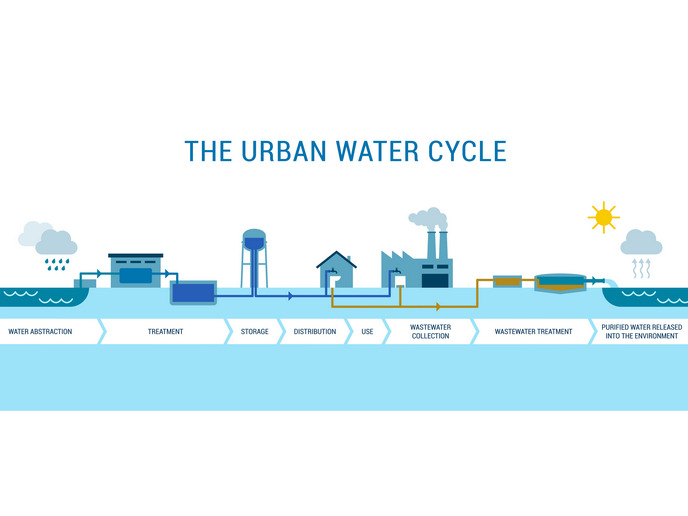
Gross, right? But don’t worry—this is where the magic (and science) happens. The water gets sucked into a treatment plant, a building that looks suspiciously like a supervillain lair. Inside, the water goes through a series of tanks, screens, and filters that are basically a spa day for dirty liquids.
First, they add chemicals to make the dirt clump together and sink. Then they run the water through sand and charcoal filters. Finally, they add a tiny bit of chlorine to kill any remaining germs. The result? Water so clean you could perform surgery with it—but please don’t.
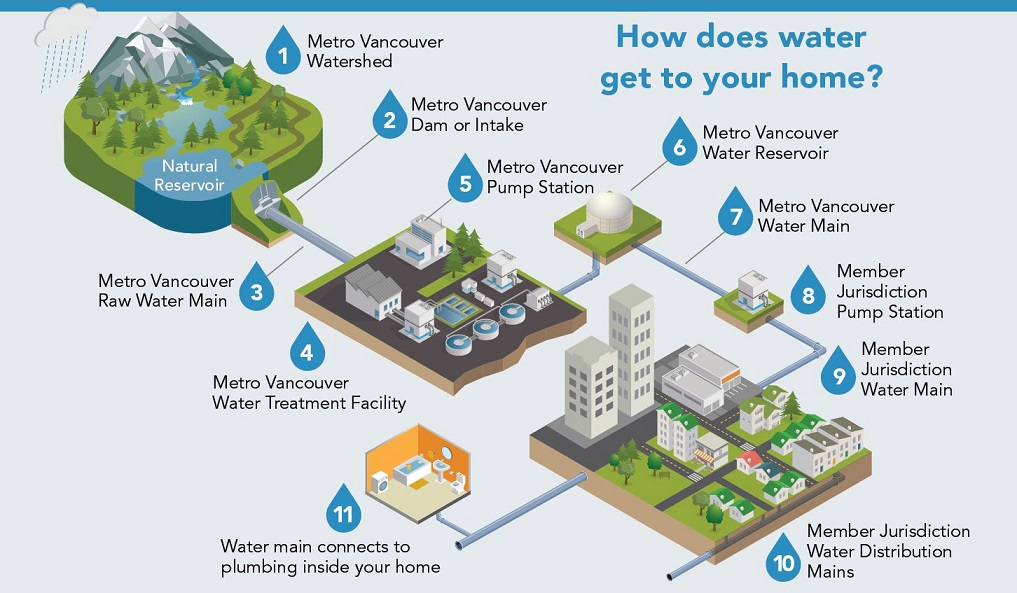 The Regional System | Metro Vancouver
The Plumbing: Your City’s Underground Highway
After the water is spa-clean, it gets sent into a network of pipes called the water main. These pipes are like the hidden intestines of your city. They run under streets, through yards, and past forgotten 1970s time capsules. Some of these pipes are ancient.
In the United States, many water mains are over 100 years old and are made of wood or cast iron. One city in Massachusetts still uses hollowed-out logs from the 1800s. That’s right: your modern tap water might have recently traveled through a tree trunk. And no, it doesn’t taste like oak.
Here’s a fun fact: water pressure is maintained by massive tanks or tall water towers. You know those weird, mushroom-looking structures on hills? That’s the city’s water battery. When you flush a toilet, gravity pushes water down to your house. It’s basically a giant, ugly version of a kid’s sippy cup.
The Dark Side: Where Water Goes Wrong
Of course, not all water stories end well. In 2014, Flint, Michigan, switched its water source from Detroit’s treated water to the highly corrosive Flint River. The river water ate through old lead pipes, poisoning thousands of people. The lesson: water management is not a game.
 Helping cities rethink their water infrastructure | News | CORDIS
But don’t panic—most cities test their water hundreds of times a month. If you ever get a “boil water advisory,” it’s usually because a pipe broke or a beaver chewed through a main. Beavers: nature’s angriest plumbers.
Speaking of animals, the New York City water supply officially employs a team of underwater “inspectors”: Asian carp. No joke. They release the carp into reservoirs to eat algae and keep the water clean. It’s like having a fishy Roomba.
The Future: Water from Toilets?
As populations grow, cities get desperate. In Namibia, people have been drinking recycled sewage water for decades. It sounds disgusting, but the treatment process is so intense that the water is actually purer than most tap water. They call it “direct potable reuse.” I call it “the circle of life with extra steps.”
Some cities like Singapore have built massive desalination plants that turn seawater into drinking water. The process is energy-hungry and expensive—so your water bill might cry a little. But hey, it beats running out.
So next time you take a sip, give a tiny salute to the river, the pipe, and the tired plant worker who made it possible. Your water didn’t just magically appear—it fought through dirt, wood, and a beaver’s lunch to reach you. Drink up, you lucky human.
