Does Fluoride Boil Out Of Water

Picture this: You’re standing in your kitchen, kettle whistling, ready to make your morning tea. You’ve heard the buzzing debate about fluoride in tap water, and you wonder: D...
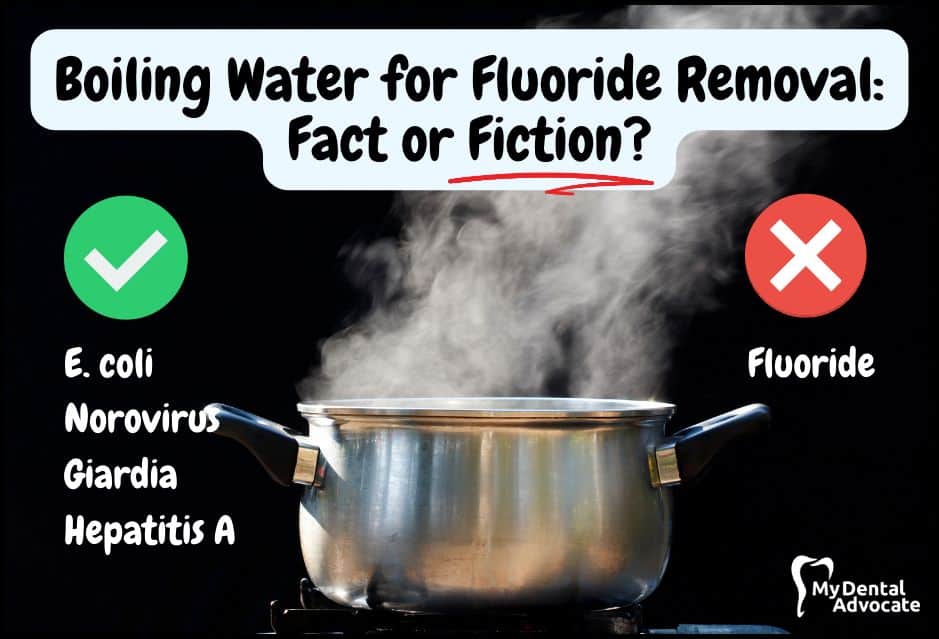
Picture this: You’re standing in your kitchen, kettle whistling, ready to make your morning tea. You’ve heard the buzzing debate about fluoride in tap water, and you wonder: Does boiling actually kick it out? The short answer is no—but the long answer is far more interesting, and it might change how you feel about that steaming cup.
Fluoride is a mineral added to many public water supplies to prevent tooth decay. It’s not a gas that evaporates, but a salt that sticks around even when water turns to steam. Think of it like sugar in coffee: heat might change the liquid, but the sugar remains.
Here’s the science: When water boils, pure H2O turns into vapor, but fluoride ions stay behind in the pot. In fact, boiling actually concentrates fluoride because the water volume decreases.
Must Read
So if you boil a full kettle for ten minutes, you’re not removing fluoride; you’re just making the remaining water slightly more potent. That feels a bit like a cosmic joke, right? You thought you were purifying, but you’re actually fortifying.
The Myth vs. The Microscope
The idea that boiling removes fluoride probably comes from confusion with chlorine, which does evaporate. Chlorine is a gas dissolved in water; fluoride is a solid ion.
If you’ve ever smelled a swimming pool, you’ve witnessed chlorine’s escape act. Fluoride, on the other hand, is more like the introvert at a party—it doesn’t leave until you physically remove it.
This is a classic case of good intentions colliding with chemistry. And let’s be honest: boiling water feels like a ritual of safety, so it’s easy to believe it fixes everything.
Practical Tips for the Fluoride-Curious
If you want to lower fluoride levels, boiling won’t cut it. Instead, consider reverse osmosis filtration, which forces water through a membrane that traps fluoride. It’s the gold standard for filtration nerds—and your dentist might raise an eyebrow.
Another option is a distillation unit, which boils water and collects the steam as pure liquid. But here’s the twist: distillation removes everything, including beneficial minerals. It’s like wearing a hazmat suit to a picnic.
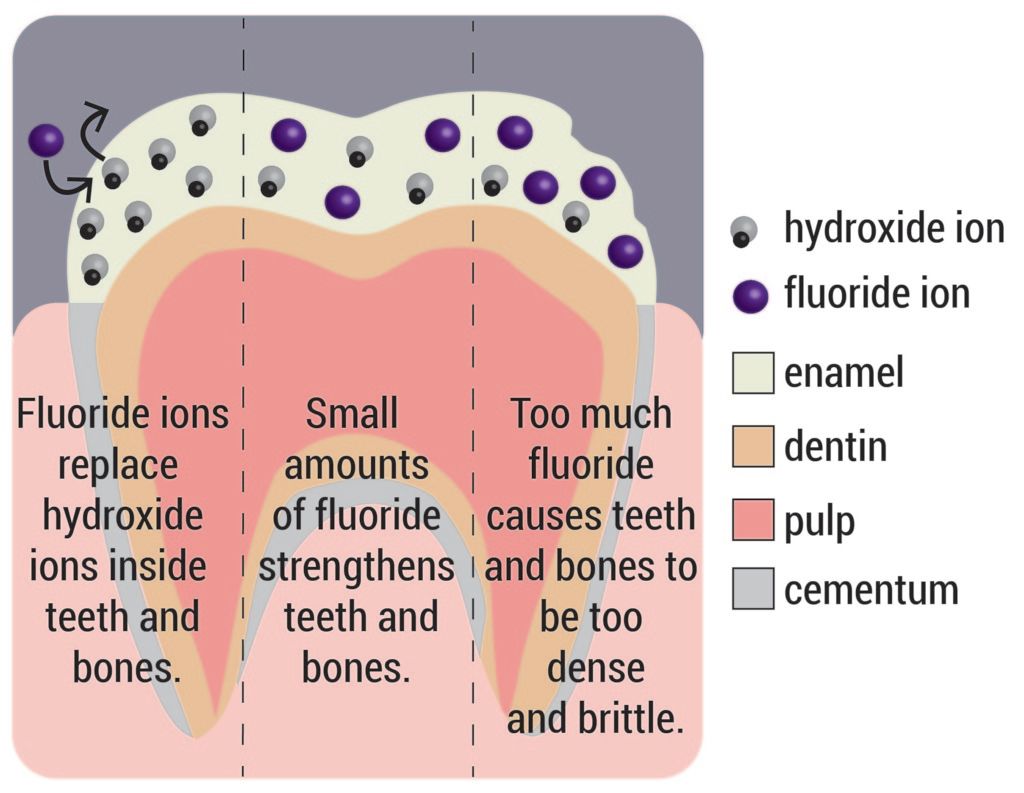 Fluoride In Water Effects
For a lower-tech route, try a activated alumina filter, designed specifically for fluoride. These are often found in countertop pitchers, but check the specs—not all filters are created equal.
One more tip: don’t panic about the levels in most municipal water. According to the CDC, the tiny amount (around 0.7 mg/L) is safe and proven to reduce cavities. Your enamel says thanks.
Cultural Tea and Taps
This debate isn’t just American—it’s global. In countries like India and parts of Africa, natural fluoride in groundwater can be high, and boiling is a common practice. But scientists there also know: boiling doesn’t fix it.
Remember the 1960s classic film The Graduate? The infamous line about “plastics” could be replaced today with “filtration.” Our cultural obsession with purity runs deep, from bottled water to ads for “alkaline” magic.
Even the Brittany Broski TikTok crowd has weighed in, with memes about “that weird taste” in tap water. Spoiler: It’s often chlorine, not fluoride, causing the flavor. Boiling can help that taste—but not the fluoride.
Fun Little Facts for Your Next Dinner Party
Fluoride was first added to water in Grand Rapids, Michigan, in 1945. Within 11 years, cavity rates in kids dropped by 60%. That’s a public health victory, not a conspiracy.
 Fluoride in Tap Water: Does It Affect Hair Growth? - Hair GP
Here’s a mind-bender: Some toothpastes contain more fluoride in a pea-sized dab than a whole glass of fluoridated water. Your bathroom is the real hotspot.
And if you’re into history, ancient Romans used fluoride-rich volcanic ash to clean their teeth—but they didn’t know it. They probably just thought their mouths felt “sparkly” after gladiator matches.
Connecting Chemistry to Daily Life
At the end of the day, your kettle is a tool for comfort, not chemistry. Boiling water for tea, soup, or pasta is about ritual, warmth, and flavor—not a lab experiment.
So go ahead, let that water bubble and steam. The steam is just water saying goodbye—the fluoride stays loyal to the cup. And that’s fine, because your teeth, your lineage, and your modern pipe system are in a truce.
The next time you boil water, think less about filtration and more about the simple joy of a hot drink. Life is too short to stress over minerals that you can’t even see—and your dentist thanks you for not overthinking it.
Because in the end, boiling water doesn’t remove fluoride, but it does something better: it gives you a moment to pause, breathe, and sip slowly. And that, my friend, is the real daily remedy.
