Does Zero Water Remove Nitrates

So, you’ve got a jug of Zero Water on your counter, and you’re staring at the label. It promises to zap pretty much everything—but does it actually remove nitrates? That’s a b...
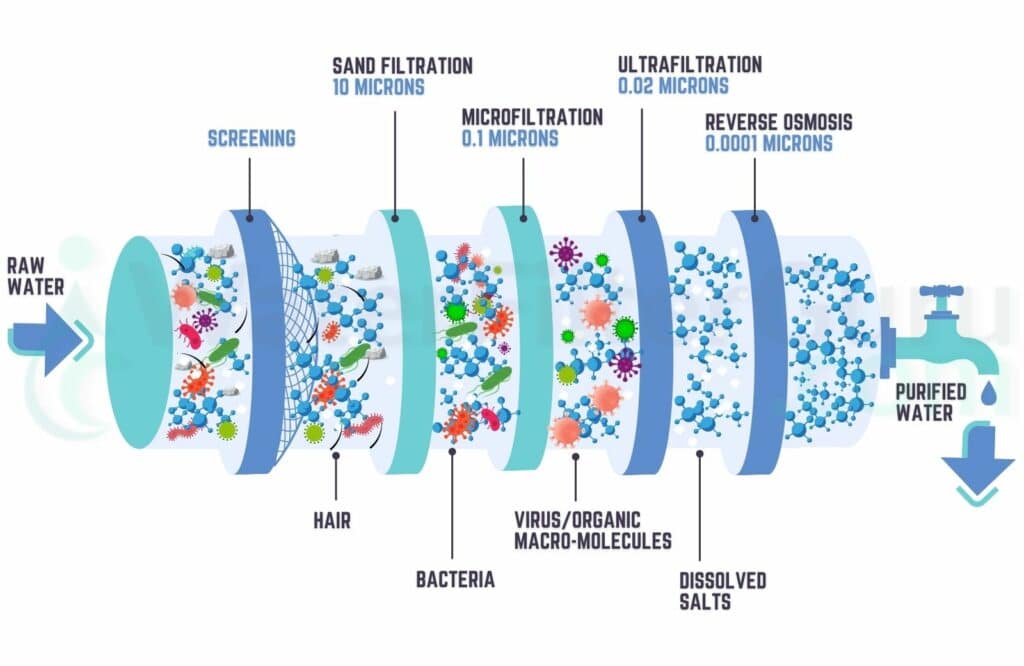
So, you’ve got a jug of Zero Water on your counter, and you’re staring at the label. It promises to zap pretty much everything—but does it actually remove nitrates? That’s a big question, especially if your tap water tastes a little funky or you’re worried about what’s lurking in your well. Let’s dive in, no lab coat required.
What even are nitrates, and why should you care?
Think of nitrates as the uninvited guests at a water party. They sneak in from fertilizer runoff, septic systems, or aging pipes. High levels are a real buzzkill, especially for babies and pregnant folks, because they can mess with oxygen in the blood. But don’t panic—most tap water is safe, and removing them is totally doable.
The cool part? Nitrates are tiny. They’re not like those chunky sediment bits you can filter with a T-shirt. They’re ionic, meaning they dissolve completely, like sugar in iced tea. So, you need a filter that plays hardball at the molecular level.
Must Read
Enter Zero Water: the filter with a superhero origin story
Zero Water isn’t your average Brita. It uses a five-stage filtration system that’s basically a tiny water treatment plant for your fridge. The secret weapon? Ion-exchange technology. Imagine a bouncer at a club who swaps out bad ions (like nitrates) for good ones (like harmless potassium). That’s how it works.
The filter grabs nitrates by their metaphorical collars and replaces them with something much safer. It’s the same trick you’d find in high-end whole-house systems—except it fits in a pitcher. Pretty neat, right?
Does the science actually back it up? Let’s check the data.
Here’s where it gets spicy. Zero Water’s independent certification—yes, that little NSF/ANSI 53 seal—says it reduces nitrates by over 90%. That’s like a pro chef removing every last garlic clove from a soup. But there’s a catch: only certain Zero Water filters are certified for this.
You have to look for the ones labeled “for nitrate reduction” or check the fine print. Not all Zero Water pitchers come with that exact filter out of the box. So, if you bought a standard pack at Target, check the back—because sometimes the bouncer isn’t hired yet.
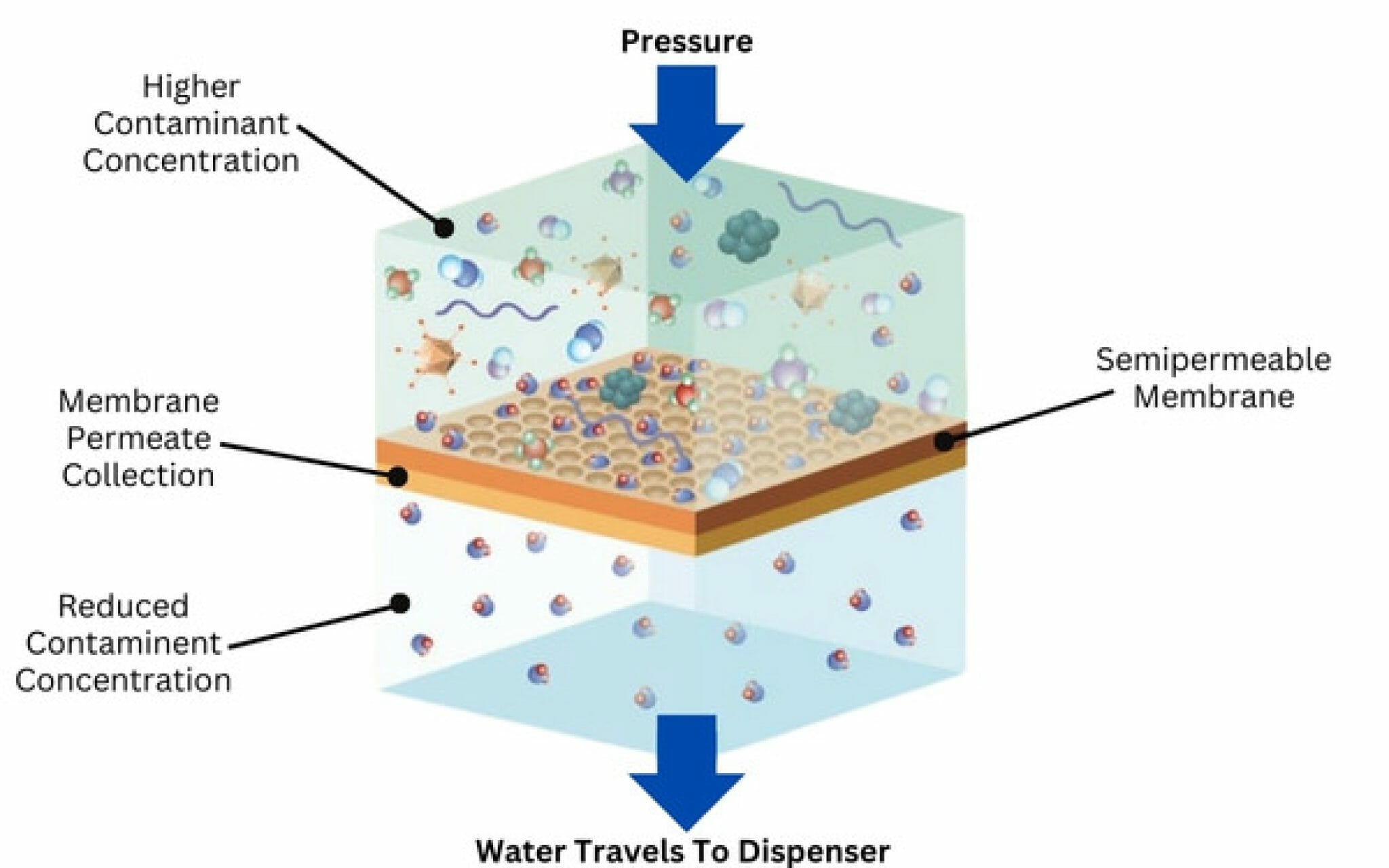 Does Reverse Osmosis Remove Nitrates From Water?
But wait—how much nitrate is too much?
The EPA says the max level in drinking water is 10 mg/L (that’s parts per million). Think of it as a single drop of lemon juice in a swimming pool. Most municipal water stays way below that, but well water can be a wild card. If your home tests over 10 ppm, Zero Water can knock it down to less than 1 ppm. That’s basically bulletproof.
Rhetorical question: Have you ever noticed that “squeaky clean” taste from Zero Water? That’s the total dissolved solids (TDS) meter showing zero. Nitrates are part of those solids, so a zero reading often means they’re gone. But here’s a fun twist—the TDS meter reads everything, including healthy minerals. So, a reading of zero doesn’t automatically mean only nitrates vanished. It means all dissolved stuff took a hike.
The “cool factor” you didn’t see coming
What’s interesting is that Zero Water is basically a portable reverse osmosis-lite system. Reverse osmosis removes nitrates like a charm, but it’s bulky and slow. Zero Water does it in a plastic jug without electricity. It’s like comparing a classic station wagon to a sleek electric scooter—both get you there, but the scooter is way more fun.
And here’s the wild part: most water filters can’t handle nitrates. Those basic activated carbon filters? They’re great for chlorine and bad tastes, but nitrates laugh at them. Nitrates are too small and need ion exchange. So if you’ve been using a basic filter and wondering why your well water still tastes “off,” now you know—the bad guys slipped past.
 3 Ways to Remove Nitrates from Water - wikiHow Health
Should you run out and buy a Zero Water filter right now?
Only if you know you have nitrate issues. Otherwise, you’re just buying a fancy gadget for show. But if you’re on well water or live near farmland, testing your water is a smart move. A simple test strip from the hardware store costs less than a burrito, and the peace of mind is priceless.
If the test comes back high, a Zero Water pitcher with the right filter is a no-brainer. Just remember: the filter lifespan plummets with high nitrate levels. You might change it every two weeks instead of two months. That’s the trade-off—like having a sports car that guzzles gas but handles like a dream.
The bottom line, no pressure
Zero Water does remove nitrates, but only if you pick the certified filter. It’s not magic; it’s chemistry. And it’s honestly kind of cool that a $30 pitcher can do what a lab-grade system does. So, next time you fill up that glass of crystal-clear water, raise it—you have successfully kicked out the uninvited guests. Cheers!
Got a well or a weird taste? Test it. Filter it. Then sip like you’re at a five-star spa. Your tap water has secrets, but now you’re the detective who solved them.
