Does Spring Water Have Chlorine

Alright, grab your mug—or water bottle, no judgment here. Let’s talk about something that’s been bugging me: does spring water have chlorine? I mean, we drink it because it so...

Alright, grab your mug—or water bottle, no judgment here. Let’s talk about something that’s been bugging me: does spring water have chlorine? I mean, we drink it because it sounds pure and mountain-fresh, but are we secretly gulping down pool water? Let’s dive in, shall we? Spoiler: it’s weirder than you think.
First, what even is spring water?
Spring water comes from an underground source. Think of it as nature’s own bottled-up secret, bubbling to the surface somewhere scenic. The FDA has rules, believe it or not. They say it has to come from a natural spring and be collected at the source—no pipes from your neighbor’s backyard.
So far, so good. But here’s the kicker: it’s not automatically sterile. It’s just groundwater, which means it might have minerals, microbes, or even a tiny bit of grit. Yum, right? That’s where the chlorine question gets spicy.
Must Read
Chlorine’s job is to kill the creepy-crawlies
Tap water gets chlorine because municipalities want to zap bacteria, viruses, and parasites before they hit your glass. It’s like a tiny chemical bouncer. But spring water? That’s a different story. Most spring water companies don’t add chlorine—it would ruin the whole “pure and natural” vibe.
Instead, they rely on other tricks. Filtration, UV light, or ozonation. Ozone sounds fancy, right? It’s basically high-powered oxygen that zaps germs without leaving a chemical aftertaste. No chlorine burps here, folks.
But—and this is a big but—some spring water might have trace chlorine if it’s been treated to meet safety standards. I know, I know. It’s like ordering a salad and finding a hidden crouton. The FDA allows it, but brands usually have to label it if they add disinfectants. Sneaky, sneaky.
So, do you need to worry?
Short answer: nope, not really. If you’re buying a brand like Evian, Fiji, or Mountain Valley, they brag about being chlorine-free. It’s their whole marketing angle. Read the label. If it says “natural spring water” with no mention of treatment, you’re probably safe.
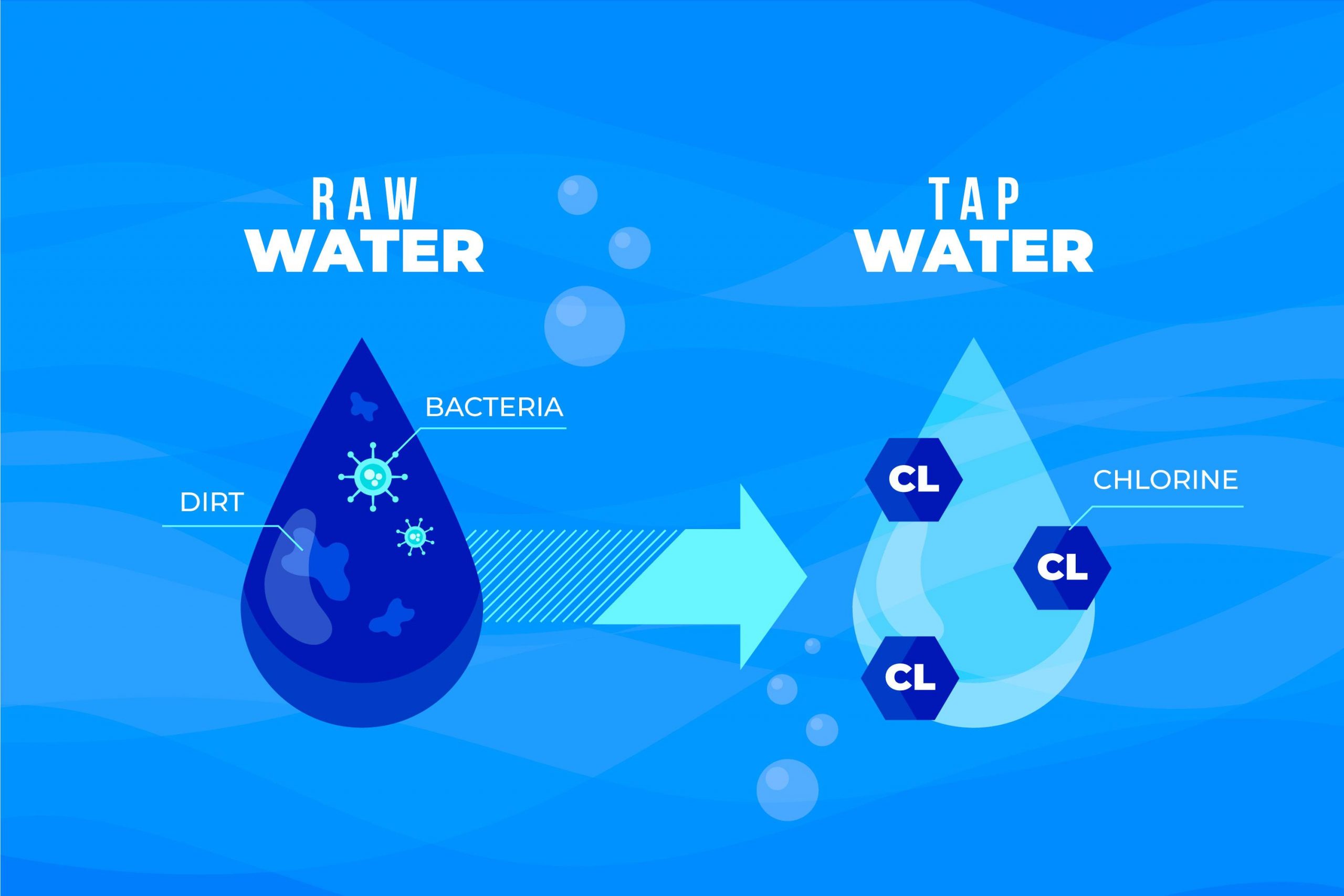 Why Do We Use Chlorine In Drinking Water at Theresa Ferrell blog
But here’s where it gets fun: some “spring water” is actually just treated tap water. Yeah, I just ruined your day. Look out for phrases like “purified water” or “drinking water.” Those can come from anywhere and might have chlorine. Always check the source on the back. If it says “municipal supply,” you’re drinking glorified tap water, my friend.
What about the taste test?
Ever sip a spring water and think, “Hmm, I smell pool day?” That’s probably not chlorine. More likely, it’s dissolved minerals like sulfur or iron. Sulfur makes it smell like rotten eggs. Charming. Chlorine has that distinct, clean-but-chemical zing. If you taste it in spring water, put the bottle down and squint at the label.
And don’t even get me started on how plastic bottles can leach weird flavors. Is it chlorine? Is it old plastic? Who knows. It’s a mystery for the ages—and your taste buds.
The big exception: emergency situations
Okay, so imagine a flood or a nasty bacteria outbreak. Some spring water companies might add a tiny pinch of chlorine as a backup. It’s rare, but not unheard of. Think of it as nature’s insurance policy. They’d rather you drink sanitized water than get a stomach bug from a mountain stream.
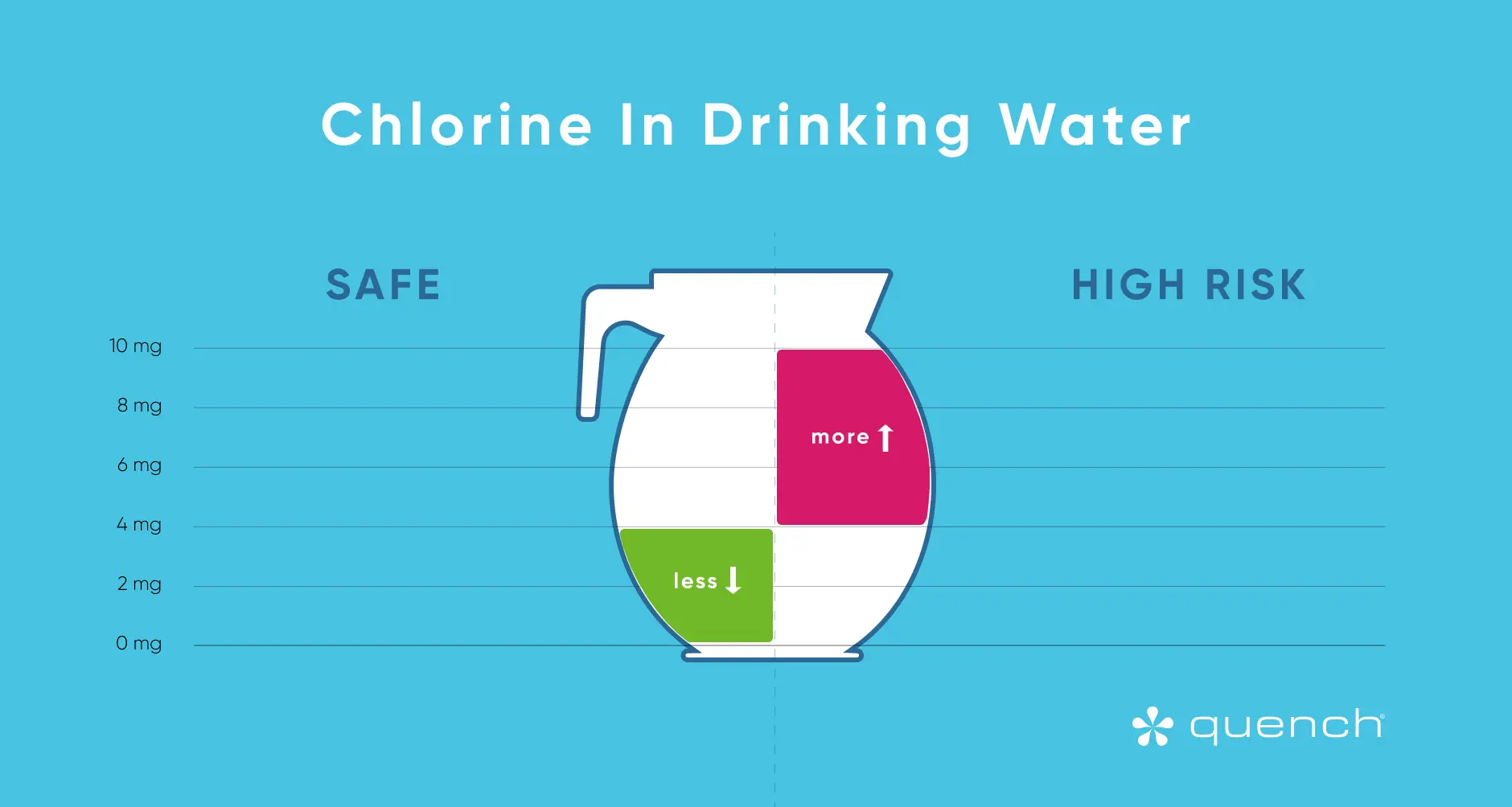 Chlorine Water
But most of the time, spring water is chlorine-free by design. It’s the whole point: you’re paying for “untouched” water. If they added chlorine, they’d lose the marketing magic. It’s like selling organic kale and then dipping it in ranch dressing. Just no.
So, should you switch?
If you hate the idea of any chemicals, spring water is a solid bet. But don’t get paranoid. Tap water’s chlorine levels are carefully regulated. It’s not like you’re chugging bleach. And spring water? It’s mostly just fancy groundwater with a PR team.
Here’s my hot take: worry more about microplastics from the bottle than chlorine. Studies show plastic bottles shed tiny bits into your drink. Chlorine? Meh. Plastic? Gross. But that’s a whole other coffee chat.
So, does spring water have chlorine? Usually not, unless someone’s being tricky. Read labels, trust your nose, and remember: if it tastes like a swimming pool, it’s not doing its job. Now go hydrate—and maybe wave at that bottle of tap water in your fridge. It’s not the enemy. It’s just a little more honest about its chemical friends.
Cheers to that. 🥤
