How Does Carbon Filtration Work

Picture this: You’re on a road trip, and your buddy cracks open a can of soda that’s been rolling around in the hot car for hours. You take a sip—and it tastes like warm, flat...
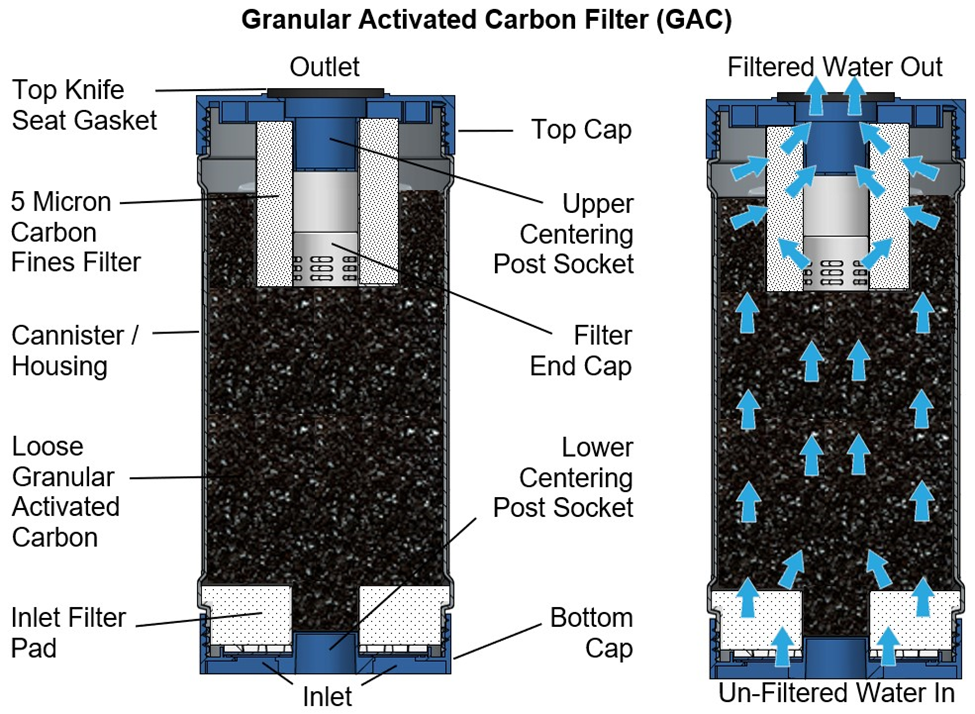
Picture this: You’re on a road trip, and your buddy cracks open a can of soda that’s been rolling around in the hot car for hours. You take a sip—and it tastes like warm, flat regret. But then you remember the little black filter in your Brita pitcher at home, and you think, “How does that magic puck save my water from tasting like old gym socks?”
Well, let’s dive into the surprisingly cool science behind carbon filtration. No lab coat required, I promise.
At its core, carbon filtration is basically a glorified game of molecular hide-and-seek. The secret weapon is activated carbon—which is just regular charcoal that’s been treated with oxygen to open up millions of tiny pores. (Think of it as charcoal on steroids, but the legal kind.)
Must Read
The Backstage Trick: Adsorption, Not Absorption
Here’s the fun twist—it’s not absorption, it's adsorption. Wait, don’t click away! I know that sounds like a chemistry lecture, but it’s actually simple.
Absorption is like a sponge soaking up water—it fills its pores. Adsorption, on the other hand, is like Velcro: impurities stick to the surface of the carbon like static cling. Those pollutants basically get arrested on sight.
The thousands of tiny pores in each gram of carbon give it huge surface area—imagine a square mile of sticky flypaper crammed into a teaspoon. That’s why a little filter can tackle so much crud.
What Exactly Does That Charcoal Catch?
Carbon filters are masters of the bad stuff—chlorine, volatile organic compounds (VOCs), and that weird medicinal taste from tap water. They also snatch up some pesticides and industrial chemicals you really don’t want in your morning coffee.
But here’s the irony: carbon is terrible at stopping things like salt, heavy metals (lead, arsenic), or bacteria. So if you’re expecting your countertop filter to double as a hazmat suit, think again. It’s a great bouncer, but it has a guest list.
And yes, that’s why you can run ocean water through a Brita and still get gross, salty water. Don’t try that on a desert island—you’ve been warned.
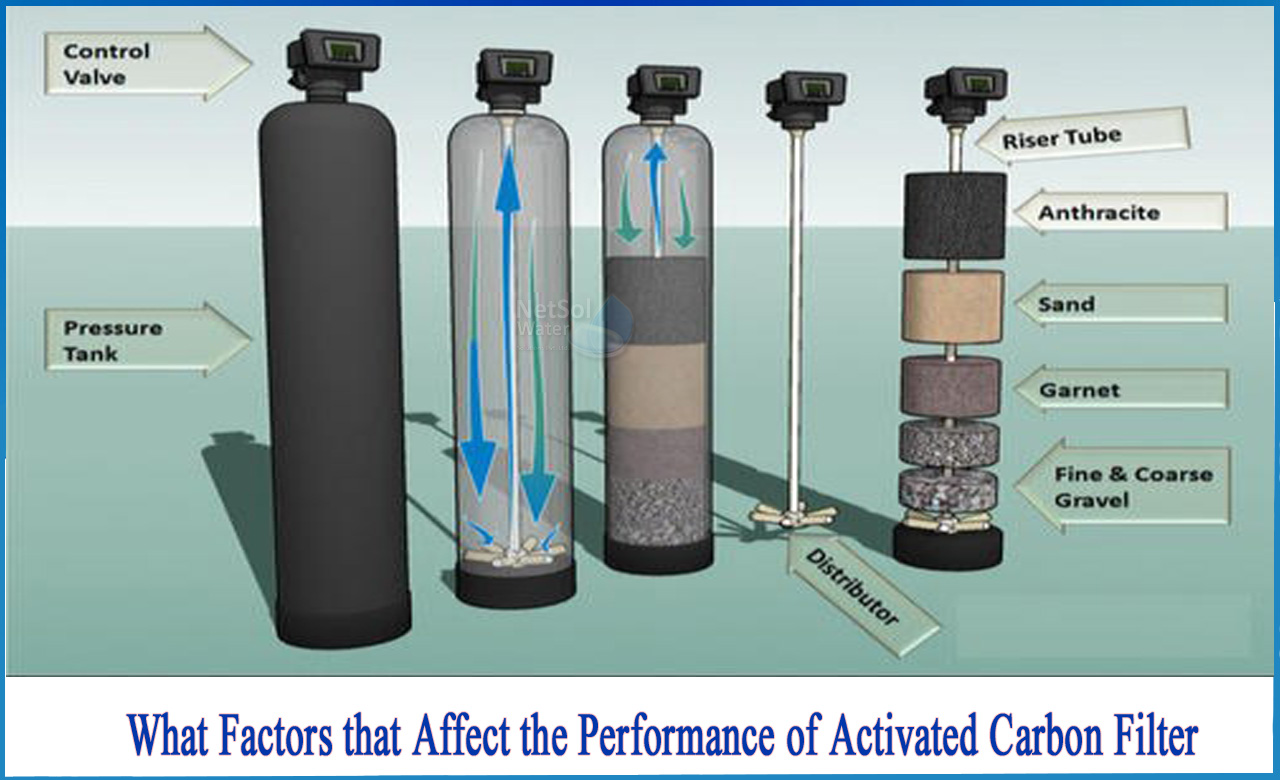 What Does A Carbon Filter Do
The Flow Game: Slow and Steady Wins the Race
Have you noticed that when your filter gets old, the water trickles out like a grumpy old man? That’s because the carbon has filled up with captured particles—it’s basically full, like your phone storage after too many memes.
When the pores clog, the filter stops removing contaminants and slows the flow. That’s your cue to swap it out. But if you’re lazy like me, you might run it a little longer—until the water starts tasting like the inside of a fish tank.
Another weird truth: hot water can damage carbon filters. The heat expands the pores in a bad way, releasing some of the trapped gunk back into your drink. So yeah, don’t use hot tap water in your filter—it defeats the point entirely.
Why Does It Work So Well for Smells and Taste?
Think about the last time you opened a bag of coffee beans—the scent hit you instantly. That smell is made of volatile molecules floating through the air. Carbon filters work the same way with water: they trap those odor-causing molecules before they can ruin your glass of water.
It’s like a deodorant for your tap. Honestly, if carbon filters could be made into a spray, I’d use it on my gym bag. But water filtration is enough for now.
The Dark Side of This Charcoal Magic
Not all carbon filters are created equal. Some are granulated (loose, like sand), while others are solid blocks (pressed together). Block filters tend to be more effective because they force water through more densely packed carbon.
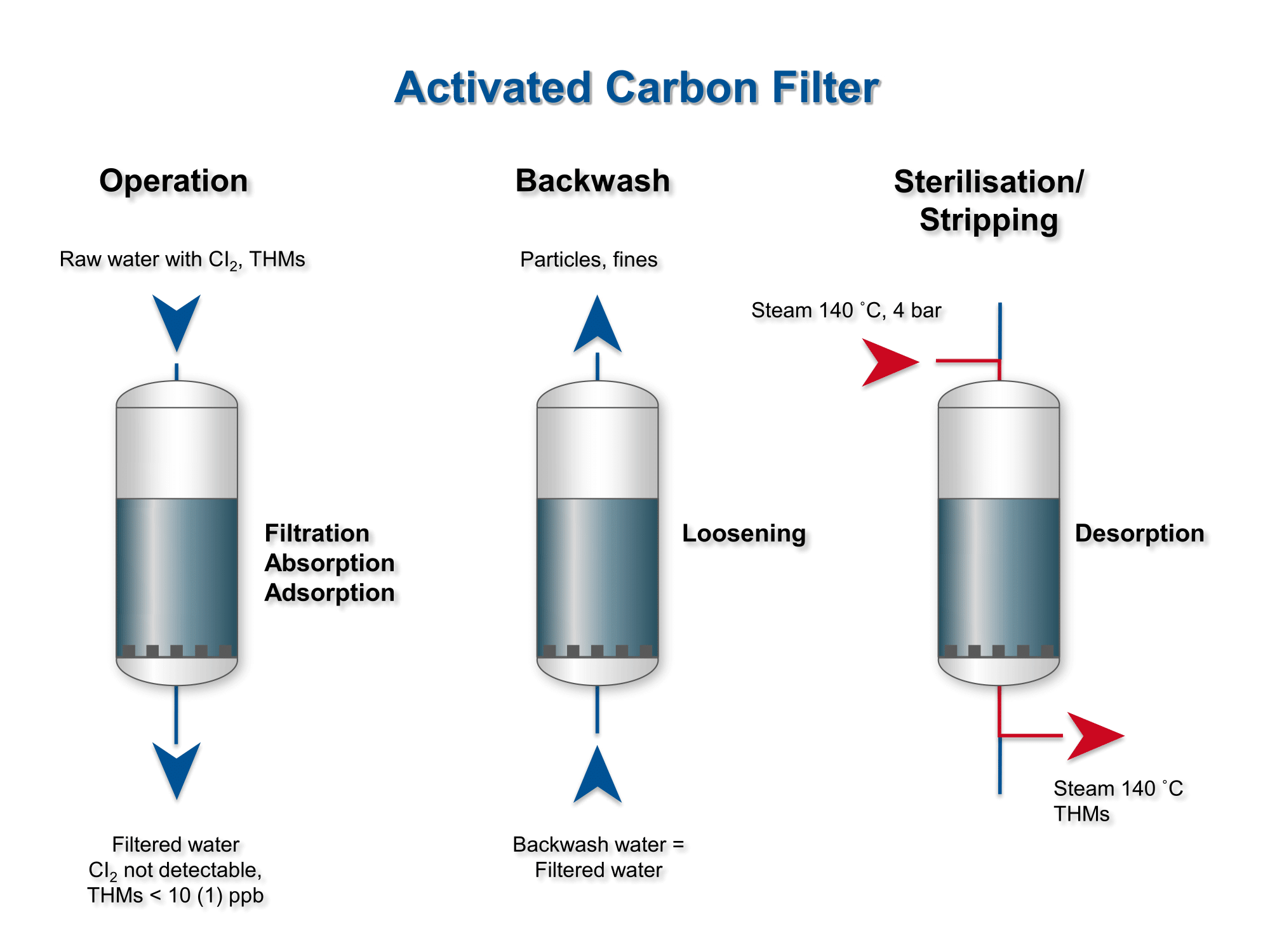 Activated carbon filtration for dechlorination and adsorption - EUWA
But here’s the kicker: carbon filters can become a breeding ground for bacteria if you don’t change them often. The trapped gunk is organic matter, and bacteria love that stuff. So that cute filter you forgot about for six months? It’s basically a tiny, damp petri dish in your kitchen.
I don’t say this to scare you—just to remind you that “fresh” doesn’t mean “forever.” Set a calendar reminder, okay?
So, Should You Get One?
If your tap water tastes like a swimming pool, yes—a carbon filter is a cheap, easy fix. It won’t remove everything, but it’ll make your water palatable without the plastic waste of bottled water.
And if you’re a coffee snob or a tea purist, you’ll notice the difference immediately. No more chalky aftertaste ruining your morning ritual.
Just remember: it’s not a magic wand. It’s a clever piece of porous charcoal chemistry that borrowed its name from a video game. (Sorry, “Carbon Black” wasn’t available for copyright.)
So next time you pour yourself a glass of filtered water, raise it to the sticky, porous little hero that works harder than your gym towel. Cheers to adsorption, friends—it’s the kind of science you can actually taste.
