What Does A Water Filter Remove

Let’s be honest: tap water has a PR problem. We’ve all done that awkward dance of sniffing a glass, wondering if that faint “pool party” aroma is normal. A water filter is the...
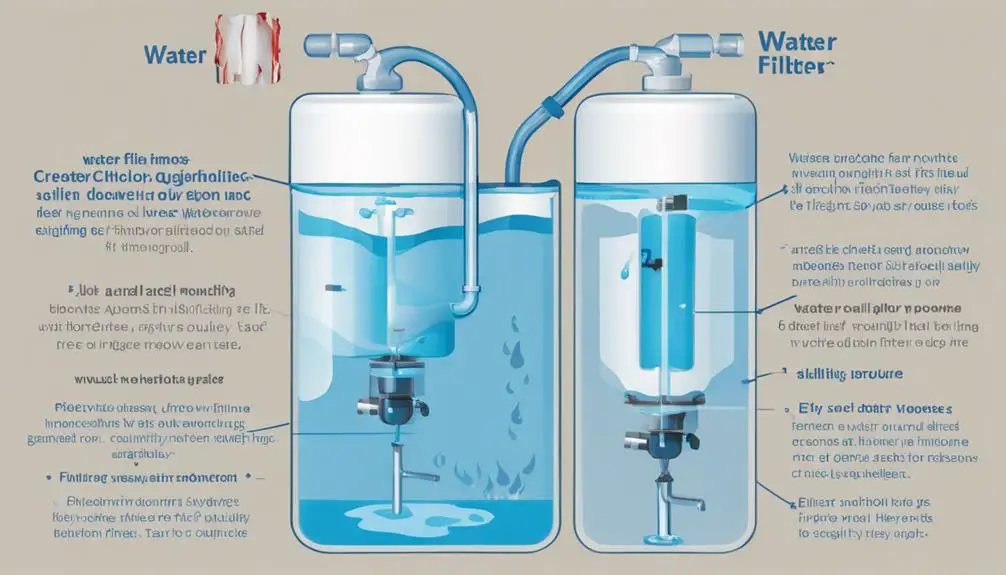
Let’s be honest: tap water has a PR problem. We’ve all done that awkward dance of sniffing a glass, wondering if that faint “pool party” aroma is normal. A water filter is the velvet rope to a VIP club of better hydration, but what exactly is it keeping out? Spoiler alert: more than you think, and less than you’d fear.
Think of your water filter as a bouncer at a trendy nightclub. It’s checking IDs, denying entry to the shady characters, and letting in the good vibes. The star of the show is activated carbon, a substance so porous that a single gram has the surface area of a football field. Its superpower is adsorption—a fancy way of saying it grabs contaminants by the scruff of the neck and holds them tight.
The Usual Suspects: Chlorine, Sediment, and Taste
First up, chlorine. Municipalities add it to kill bacteria, but it leaves your water tasting like a swimming pool. A carbon filter laps it up like a thirsty dog, leaving you with a neutral, clean sip. It also snags sediment—those microscopic grains of sand, rust, or silt that make your morning glass look a little cloudy.
Must Read
Then there’s the flavor squad. Volatile organic compounds (VOCs)—chemicals from industrial runoff or old pipes—can make water taste vaguely of gasoline or medicine. Goodbye, weird aftertaste; hello, crisp hydration. Fun fact: the ancient Romans used charcoal filters for their aqueducts, proving we’ve been chasing clean water for millennia.
Heavy Metals: The Silent Party Crashers
Depending on your pipes, your water might harbor lead, copper, or mercury. These aren’t just footnotes in a chemistry textbook; they’re linked to cognitive issues and stomach woes. High-end filters—especially those with ion exchange or reverse osmosis—swap these heavy hitters for harmless ions like sodium. It’s like swapping out a rowdy friend for a chill cousin.
Don’t confuse this with fluoride. Most basic filters let it pass, which is fine if you want cavity protection. Only specialized “defluoridation” filters or reverse osmosis units kick it out. Check your filter’s fine print; it’s the difference between a light edit and a full rewrite.
And microplastics? Yes, they’re tiny, floating, and everywhere. A good carbon block or ultrafiltration system can catch particles down to 0.2 microns—smaller than a human hair. You’re not just filtering water; you’re time-traveling to a pre-plastic age.
 What Do Water Filters Remove? Simple Breakdown - Household Water Guide
The Surprising No-Shows: What Filters Don’t Remove
Here’s the plot twist: a standard pitcher filter won’t touch viruses or most bacteria. Municipal water is already treated, so this rarely matters, but if you’re camping in the woods, don’t rely on your Brita. You’d need a UV filter or a hollow-fiber membrane for that. Think of it as the difference between a doorman and a hazmat team.
Also, filters don’t remove dissolved minerals like calcium and magnesium—the good guys that give water its “body.” Hard water? That’s a job for a water softener, not a filter. As the saying goes, “A filter polishes the stage, but the actors (minerals) stay for the show.”
And harmless sediment? If your tap runs slightly cloudy but clears after a minute, that’s often just trapped air, not dirt. Don’t panic; your filter is fine.
Practical Tips for the Filter-Curious
Match the filter to your water’s personality. If you live in an old building with copper pipes, get a lead-removing filter. If your tap tastes like a swimming pool, a simple carbon pitcher is your best friend. These days you can even buy a water test kit for ten bucks; think of it as a personality quiz for your faucet.
Don’t forget to change the cartridge. A clogged filter becomes a bacteria playground—nasty stuff. Set a reminder on your phone; your future self will thank you. Also, keep your filter in the fridge. Cold water tastes better, and it slows down microbial growth. It’s a two-for-one wellness hack.
 How To Tell If A Water Filter Is Working
Some high-end models now include coconut carbon, which is more sustainable and scrubs out taste without a chemical aftertaste. It’s the farm-to-table version of filtration. And yes, a single filter can remove up to 99% of lead, chlorine, and certain pesticides—making your tap water rival a boutique spring.
Cultural Refresher: Filtered Water in the Zeitgeist
We’ve come a long way from the ’90s when bottled water was a status symbol. Now the cultural flex is filtration. Go to a Brooklyn coffee shop, and the barista will talk about their triple-stage carbon filter with the same reverence as their espresso machine. In Tokyo, some households use ceramic filters passed down like heirlooms. The filter is the new terroir—a quiet stamp of care on your everyday rituals.
Even your ice cubes have an opinion. Clear, restaurant-style ice? That’s filtered water freezing without impurities. Cloudy ice? That’s unfiltered tap doing its best. You’re not just hydrating; you’re curating a moment.
A Final Sip of Reflection
Using a water filter isn’t about fear—it’s about intention. You choose to pause, to filter out the noise (and the chlorine), and to sip something that tastes like clarity. In a world of constant data overload, that single glass of clean water is a tiny meditation. It whispers, “You matter. Your health matters. Even the small stuff matters.”
So pour yourself a glass. Taste the difference. And remember: you’re not just drinking water; you’re drinking a decision. Cheers to that.
