What Does Filtered Water Remove

So, you’ve got a water filter. Maybe it’s a fancy pitcher, a faucet attachment, or one of those industrial-sized mastodons under your sink. You’re proudly sipping your glass o...

So, you’ve got a water filter. Maybe it’s a fancy pitcher, a faucet attachment, or one of those industrial-sized mastodons under your sink. You’re proudly sipping your glass of H2O, thinking you’ve just defeated chemistry itself. But let’s get real for a second: what is that thing actually removing, and is it waging war on your tap water like a tiny, plastic gladiator?
The Usual Suspects: Chlorine and Sediment
The first thing your filter probably kicks to the curb is chlorine. That’s the stuff that makes your tap water smell like a swimming pool’s angry cousin. Good riddance, but don’t get too cocky—your filter isn’t removing it because you’re a delicate flower; it’s doing it so your water doesn’t taste like a public bathhouse from the 1980s.
Next up: sediment. Think of it as the gritty dirt, sand, and tiny rust flakes that your pipes shake loose during their midlife crisis. Your filter catches that gunk so you don’t feel like you’re drinking a mud pie in liquid form. Enjoy that clarity, but remember—you’re still drinking water that was once dinosaur pee.
Must Read
The Heavy Hitters: Lead, Mercury, and Copper
Now we get to the scary stuff. Most decent filters can yank out heavy metals like lead, mercury, and copper. Lead is especially nasty—it’s like the creepy uncle of the periodic table. If your house was built before 1986, your pipes might be sweating lead into your tea, and a good filter will snatch that poison right out. Surprising fact: a single lead atom is so small that a filter needs to be as picky as a cat choosing a nap spot to catch it.
But here’s the twist: not all filters remove lead. That cheapo pitcher from the discount bin might just be giving your water a gentle, polite wave goodbye as the lead waltzes through. Check the label, or you’re basically drinking from a vintage corroded pipe and paying for the privilege.
The Uninvited Guests: Bacteria and Viruses
Here’s where your filter either shines or becomes a sad, plastic lie. Most basic carbon filters—the kind in your average Brita pitcher—are terrible at removing bacteria and viruses. I’m talking worse than a teenager avoiding homework. They’re designed for taste, not biological warfare. If you’re camping and trying to filter water from a frog-infested pond, that pitcher will give you the same welcome a kindergarten class gives a live scorpion.
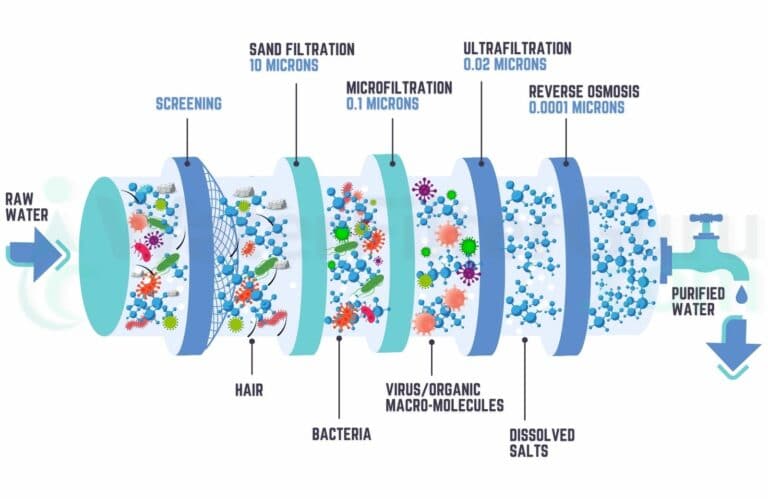 Do Water Filters Remove Minerals?
For actual germ removal, you need a filter with pores smaller than a virus—like a reverse osmosis system or UV light. Those are the ninja assassins of water filtration. They zap or trap things like E. coli and Giardia, the very same critters that once turned a hiker’s weekend into a three-day toilet marathon. You don’t want that hangout session in your gut.
The Surprising Survivors: PFAS and Pharmaceuticals
Let’s talk about forever chemicals—PFAS. These are the Teflon-related compounds that are in your non-stick pans, rain jackets, and apparently, the tears of the environment. Some filters can remove them; some just shrug and let them through. It’s like a bouncer who only checks IDs for people wearing hats. Fun fact: PFAS are so persistent that scientists have found them in polar bear blood. So your filtered water might still have a hint of polar bear fashion sense.
And what about all those leftover pharmaceuticals? You know, the tiny traces of antidepressants and birth control pills that people flush down toilets? Your average carbon filter laughs at their microscopic presence. Only advanced systems like reverse osmosis can give those medications the boot. So if you’re feeling a little mysterious after a glass, it might not be your mood—it might be leftover Prozac from someone in Ohio.
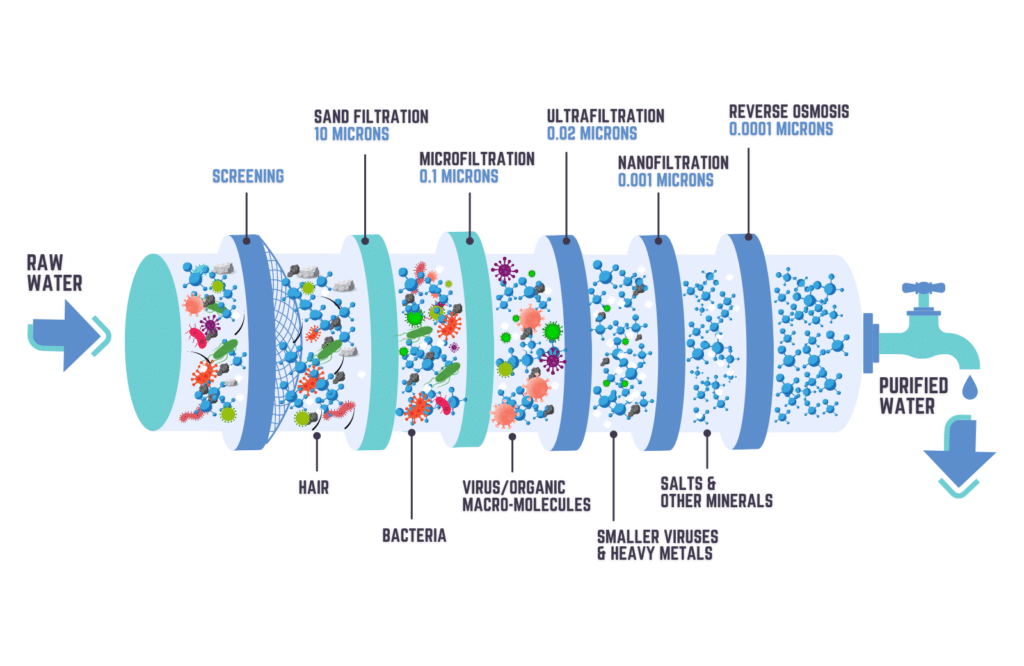 What do Water Filters Remove from Drinking Water?
What About the Good Stuff? Minerals and Flavor
Here’s the punchline: filters often remove the good stuff too. That includes calcium and magnesium, which give water that crisp, “mountain spring” taste. Without them, water can taste flat and sad, like a party with no music. Some filters actually add minerals back in afterward, but most just leave you drinking what essentially amounts to a blank piece of paper.
And if you’re using a reverse osmosis system, you’re basically making the most sterile, boring water on Earth. It’s so pure it’ll try to leach minerals out of your glass. People have joked that RO water is like a liquid vacuum cleaner—it removes everything, including your will to live if you drink it without adding back a pinch of salt.
The Verdict: Is It Worth It?
Look, filtered water is better than tap water that tastes like a locker room, but it’s not magic. Most filters are great at removing bad taste, chlorine, and sediment. They’re okay at removing lead and heavy metals if you buy the right one. But they are terrible at viruses, pharmaceuticals, and microplastics unless you special-order a filtration system that costs more than your sofa.
So drink up, but keep your wits about you. Your filter isn’t a superhero—it’s a polite butler who only deals with certain messes. And hey, if you’re really worried, just remember that the human body has an incredible built-in filter called your liver. It’s been handling bad decisions and questionable water for millennia. So trust it, but don’t push its luck.
