How Does A Reverse Osmosis Work

Let’s talk about reverse osmosis. It sounds like a sci-fi movie, right? Actually, it’s how we turn salty sea water into your drinking glass. And it’s way more fun than it soun...

Let’s talk about reverse osmosis. It sounds like a sci-fi movie, right? Actually, it’s how we turn salty sea water into your drinking glass. And it’s way more fun than it sounds.
The Big Squeeze
Imagine you’re a tiny, thirsty water molecule. You’re stuck in a crowded room full of salt, dirt, and weird chemicals. Reverse osmosis is the bouncer who kicks everyone else out.
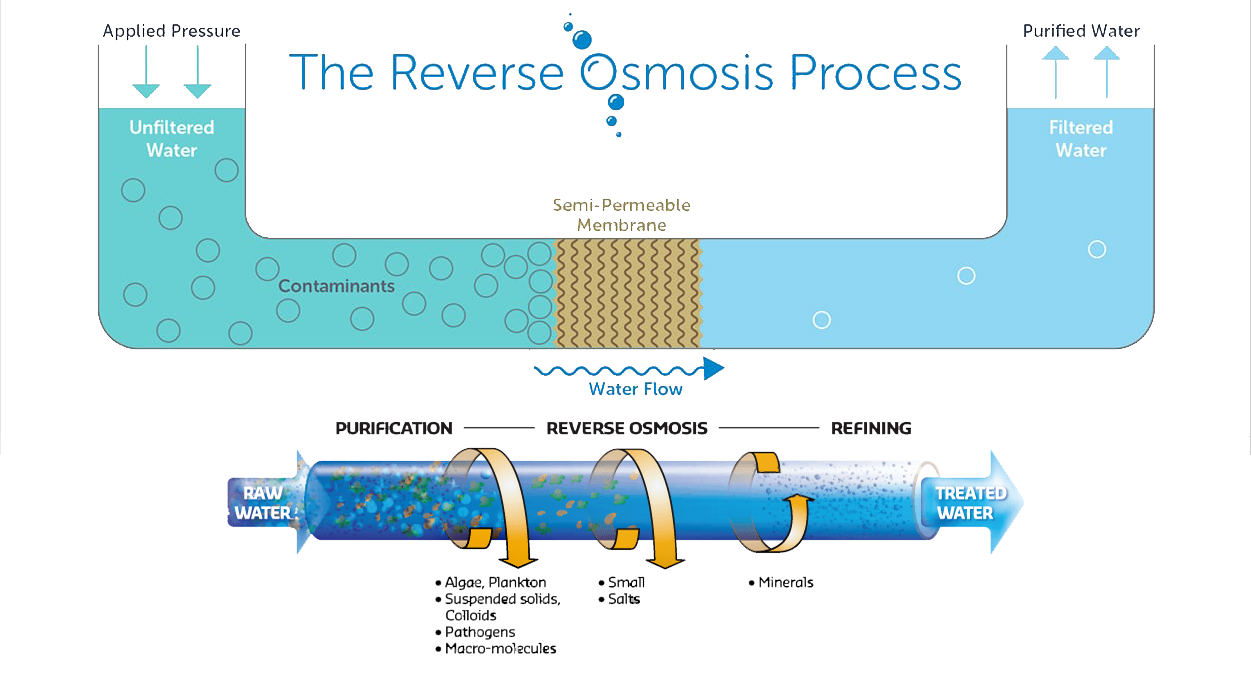
It uses pressure—a lot of it. Think of a hydraulic press, but for water. That pressure pushes the good stuff through a special filter, while the bad stuff stays behind.
Must Read
What’s That Filter Made Of?
It’s not a mesh net. It’s a semi-permeable membrane. Sounds boring, but it’s actually a plastic sheet with microscopic holes.
These holes are so tiny, only water can squeeze through. Salt molecules? Too big. Bacteria? Forget about it. Even viruses get denied entry. It’s the most exclusive club in town.
Fun fact: A human hair is about 500,000 nanometers wide. The holes in a reverse osmosis membrane are about 0.0001 nanometers. That’s like trying to pass a beach ball through a keyhole.
The Party Crashers
Here’s the hilarious part: the system wastes water. For every gallon of clean water, it dumps up to four gallons down the drain.
That’s right. It’s thirsty for itself. The rejected water—called “brine”—is so salty it would kill a fish. We just flush it away. Talk about a diva behavior.
Why Doesn’t Nature Do This?
Nature does the opposite. Osmosis is when water flows naturally from clean to dirty. This happens in plants to pull water into roots.
Reverse osmosis reverses that. It goes against nature’s grain. We use electricity and pumps to force water into cleanliness.
So basically, we’re water rebels. We’re saying, “No, salt, YOU move.” It’s the punk rock of filtration science.
 Reverse Osmosis (RO) | Water Filter Bali
Your Kitchen Curiosity
Ever see those faucets with a second, tiny spout? That’s a reverse osmosis system under your sink. It’s hiding in your cabinet like a secret agent.
It takes about two to three hours to fill a single glass. Imagine waiting that long for a drink! But hey, the water tastes crisp—like biting into a glass of pure nothingness.
And no, it doesn’t remove everything. Tiny molecules like chlorine slip through. That’s why many units have a carbon filter first. The carbon catches chlorine; the membrane catches the rest. It’s a tag team of purification.
The Astronaut Connection
Astronauts on the ISS use reverse osmosis to recycle pee. Yes, pee. They turn urine into coffee water.
Think about that: The same technology squeezing your tap water squeezed astronaut sweat. You are drinking like a space hero. Go ahead, high-five your faucet.
The Quirky Economics
Are these things expensive? They can be. A good under-sink unit costs $200 to $600. But bottled water is way pricier over time.
Still, you’ll pay for the filters. You have to change them every 6 to 12 months. Forget to do that? Your water starts tasting like regret and old socks.
So it’s a commitment. Like adopting a pet fish, but it lives in your plumbing and doesn’t need feeding.
 What Is Reverse Osmosis And How Does It Work
A Bizarre Side Effect
Reverse osmosis water is too pure. It’s so stripped of minerals that it can taste flat. Some people add a pinch of salt back in.
Yes, you read that right. We spend energy to remove salt, then we add salt back. It’s the most human thing ever—overcomplicating water.
But the flavor is worth it for many. It’s like the difference between a stale cracker and a fresh baguette.
Should You Buy One?
Only if you like crystal-clear weird science on your countertop. It’s great if your tap water tastes like a swimming pool or if you live near the ocean.
But if you have normal city water, a simple Brita pitcher might do the trick. Reverse osmosis is overkill for clean tap. Like using a flamethrower to toast a marshmallow.
Still, isn’t it fun to know you could purify seawater in your kitchen? That’s the magic. You own a mini desalination plant.
The Last Gulp
Reverse osmosis is weird, wasteful, and wonderful. It uses pressure, plastic, and pure stubbornness to give you a sip of perfection.
Next time you drink from that fancy spout, remember: You’re drinking against the forces of nature. You’re a tiny, thirsty rebel.
And honestly? That’s pretty cool.
