How Does Well Water System Work

Ever turned on your faucet and wondered where that water actually comes from? For millions of people, it’s not a city pipe or a reservoir. It’s right under their feet, pulled...
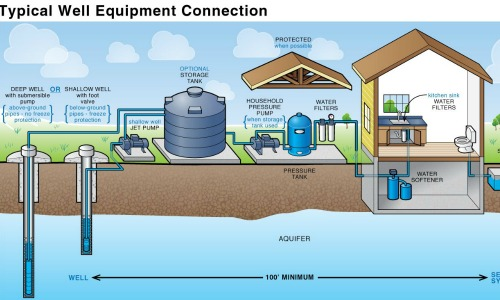
Ever turned on your faucet and wondered where that water actually comes from? For millions of people, it’s not a city pipe or a reservoir. It’s right under their feet, pulled straight from the ground.
We’re talking about well water systems. They’re like having your own private, underground lake. And honestly? The whole process is way cooler than you might think.
The Big Picture: It All Starts with Rain
First, a quick plot twist: your well water is ancient rainwater. It falls from the sky, seeps through layers of soil and rock, and collects in an aquifer—a giant, natural underground sponge.
Must Read
Think of it like a massive, hidden water bottle for the earth. Your well is basically a straw that reaches down to take a sip.
The Well Itself: More Than Just a Hole
You can’t just dig a hole and call it a day. A modern well is a carefully constructed pipe (usually called a casing) driven deep into the ground. This casing protects your water from surface dirt and creepy crawlies.
At the very bottom, there’s a screen that acts like a strainer. It lets water in but keeps sand and grit out. Fancy, right?
The Star of the Show: The Pump
Here’s the real magic. Water doesn’t just magically climb up your pipes. You need a pump to do the heavy lifting. For most homes, that means a submersible pump—a sealed motor that sits right down in the water, deep in the well.
When you flush a toilet or start the shower, the pump fires up. It pushes water upward through the pipe and straight into your house. It’s like a tiny, silent elevator for your water supply.
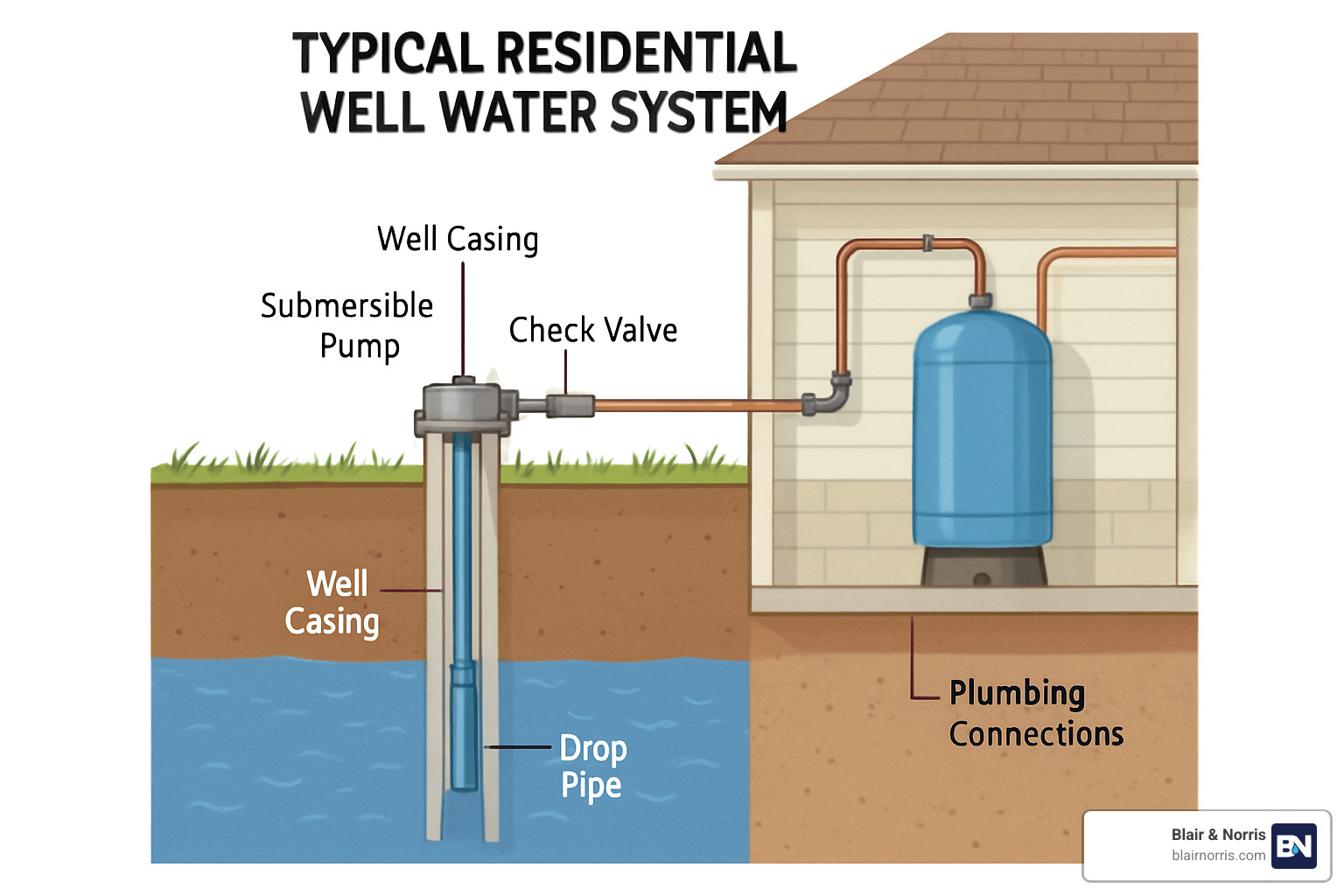 well pump setup: 10 Essential Steps for a Powerful 2025 Success
And here’s a fun comparison: without the pump, your water is just a prisoner in the ground. The pump is its escape plan.
The Unsung Hero: The Pressure Tank
You know that annoying thing when the shower water suddenly gets cold because someone flushed a toilet? A pressure tank is what prevents that chaos. It sits inside your home (often in the basement or a closet) and stores water under pressure.
Think of it as a water battery. The pump fills the tank, which compresses a pocket of air inside. When you use water, that air pushes the water out smoothly, so the pump doesn’t have to turn on and off every time you wash your hands.
It keeps the flow steady. No jerky spurts, no wild pressure swings. Just chill, consistent water.
Why This Whole System is Actually Cool
Here’s the part that gets me: you are 100% independent. No water bill. No city bans on watering your lawn during a drought. Your water comes from your land, on your schedule.
And the taste? Most people swear well water tastes fresher and cleaner because it’s filtered naturally through layers of rock and sand. It’s like Nature’s own Brita filter, but much more badass.
 Parts Of A Water Well Pump - Infoupdate.org
Plus, the water is usually rich in minerals like calcium and magnesium. That’s actually good for you—though it might leave a little white crust on your faucets (which you can easily clean with vinegar).
But Wait—It’s Not All Magic
With great independence comes a little responsibility. You need to test your water yearly for bacteria and nitrates. And every few years, you might need to shock the well with chlorine to keep it sparkling. It’s like giving your well a bath.
Also, the pump has a lifespan—usually 10 to 15 years. When it dies, it’s a real bummer (and a few thousand dollars). But hey, that’s the price of being your own utility company.
Wrapping It Up: The Quiet Genius
So next time you pour a glass of well water, take a second to appreciate the journey. Rain fell centuries ago. It filtered through ancient rock. A pump dragged it up from the depths. A pressure tank gave it perfect flow.
It’s a simple, elegant system that works silently in the background, day after day. No fanfare, no flashing lights. Just cold, crisp water on demand.
Pretty cool for a hole in the ground, huh?
