How Does A Water Softener Works

You know that squeaky clean feeling after washing your hands? The one where your skin feels like you just rubbed it with a chalkboard eraser? That’s not cleanliness. That’s th...
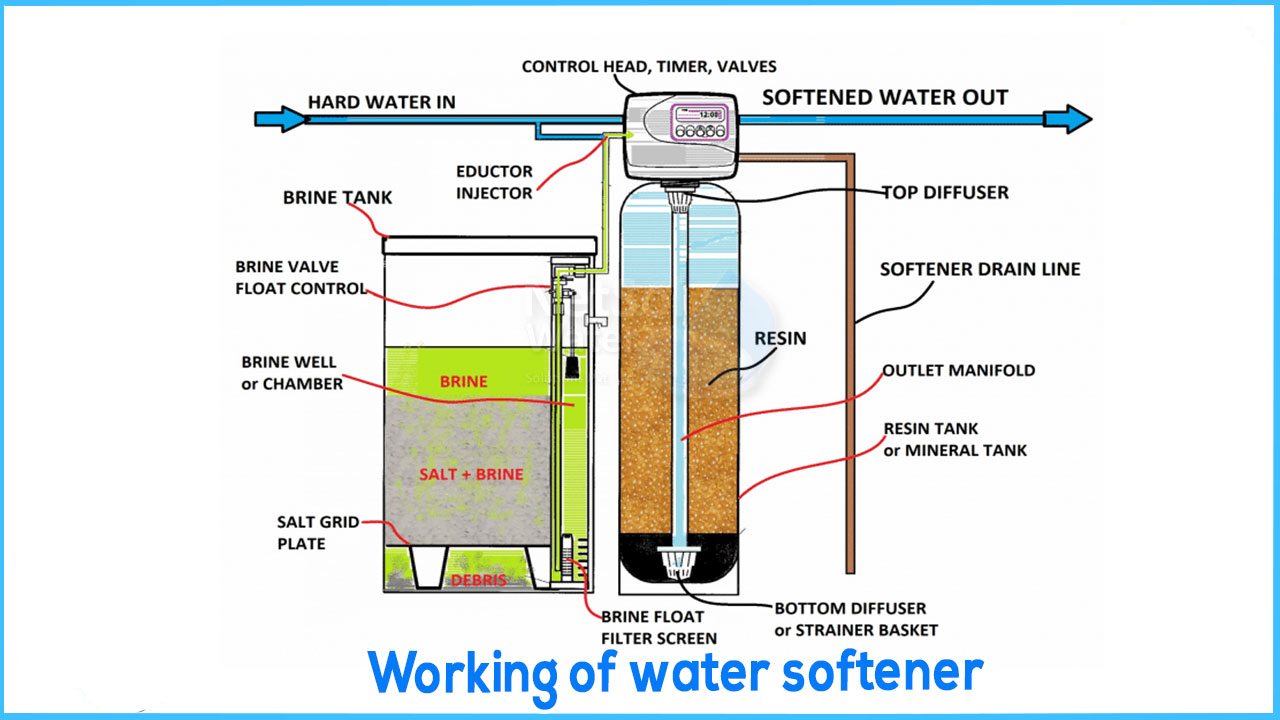
You know that squeaky clean feeling after washing your hands? The one where your skin feels like you just rubbed it with a chalkboard eraser? That’s not cleanliness. That’s the battle cry of hard water.
Meet Your Nemesis: The Calcium Legion
Imagine a tiny, invisible army of calcium and magnesium ions invading your home. Every time you turn on the tap, they swarm your pipes, your showerhead, and your favorite coffee mug. They leave behind a crusty white residue that looks suspiciously like dried-up dinosaur drool.
This is the stuff that makes your shampoo feel like it’s giving up halfway through the rinse. It’s why your dishes come out looking like a foggy window in a horror movie. And it’s definitely why your water heater is working twice as hard as it should.
Must Read
Enter the Softener: Your Home’s Bouncer
So, how does a water softener fix this? Think of it as a very specific, extremely polite bouncer at a club. Instead of checking IDs, it checks for hardness. When a calcium or magnesium ion tries to get into your home’s water supply, the softener says, “Sorry, pal. VIP lounge is for sodium only.”
But it’s not magic. It’s science, and it’s actually kind of adorable. Inside the softener is a tank full of little resin beads. These beads are like tiny, super-thirsty sponges. They are negatively charged, which means they are desperately in love with positively charged ions.
The Bead-Dance
Every time water flows past these beads, the calcium and magnesium ions get yanked out of the water and stick to the beads. It’s like a game of aquatic magnetic tag, and the calcium always loses. The beads then swap those hard ions for a soft sodium ion. Boom—hard water becomes soft water.
You’ve basically hired a tiny army of electrostatic janitors to scrub your water before it even touches your skin. Pretty neat, right?
But Wait—What About the Brine Tank?
You’ve probably seen that big white barrel next to the softener, the one that looks like a creepy water cooler. That’s the brine tank. It’s filled with salt, and it’s the softener’s secret weapon for cleaning itself.
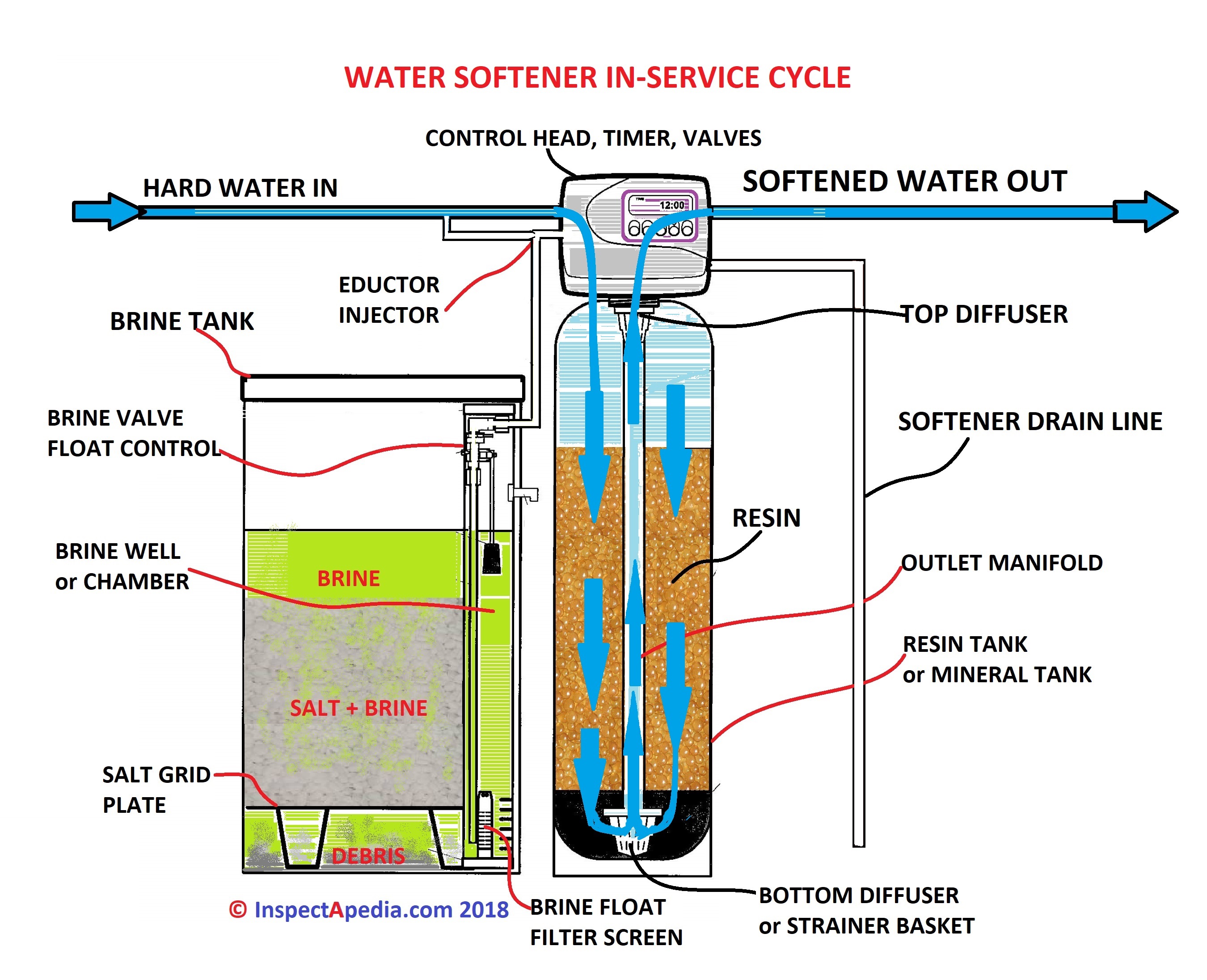 How Water Softeners Work Diagram Water Softener: Plumbing Water
After a while, even the best bouncer gets tired. The resin beads get so full of calcium that they can’t grab anymore. So the softener goes into “hibernation mode” (usually at 2 AM, when you’re dreaming of fluffy towels). It flushes the brine solution—super-salty water—over the beads.
The high concentration of sodium ions overpowers the stuck calcium. It’s like a hostile takeover, but the friendly kind. The calcium gets knocked off, rinsed down the drain, and the beads are fresh and ready to party again. This process is called regeneration.
The Sound of a Good Dream
If you’ve ever woken up to a distant, rhythmic hissing and gurgling from the basement, that’s it. That’s your softener getting its second wind. Don’t worry—it’s not a ghost. It’s just a very dedicated machine taking a power nap.
What Changes in Your Life?
After installation, the first sign is in the shower. Your skin actually feels slippery after rinsing off soap. At first, you might think you didn’t rinse enough. You didn’t. That slipperiness is smooth, soft water that lets soap lather properly.
Your hair stops looking like a haystack after a drought. Your coffee tastes less like a science experiment. And your glasses come out of the dishwasher sparkling, like you hired a tiny crew of window washers.
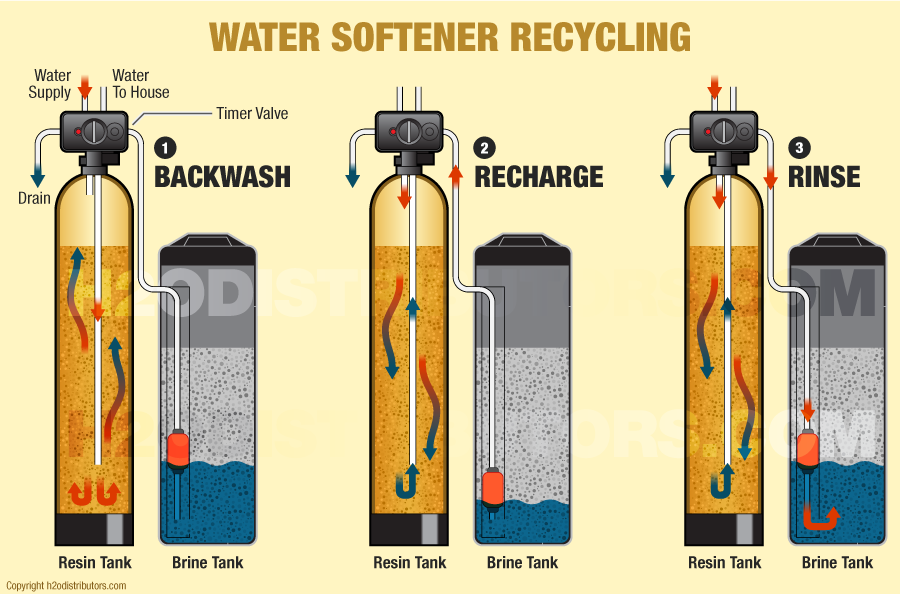 How Does a Water Softener Work? – H2O Distributors
You also notice your faucets stop looking like they have a crusty white beard. No more scrubbing with vinegar. No more resigned sighs when you see a white ring in the toilet bowl.
The Only Downside? The Salt
Okay, full honesty: you have to buy bags of salt. And you have to haul them from the store. It’s like having a pet that eats rocks and then burps them out. But most modern softeners have a low-salt indicator light, so you’ll know exactly when it’s dinner time.
Also, if you’re watching your sodium intake, you’ll be happy to know that the extra sodium in softened water is negligible. It’s way less than what’s in a slice of bread. So don’t panic.
The Grand Takeaway
In the end, a water softener is just a simple machine that gives your water a personality makeover. It turns a grumpy, scale-building monster into a gentle, soap-loving friend. It saves your appliances, your skin, and your sanity.
Once you live with soft water, you’ll never go back. You’ll find yourself visiting friends and silently judging their crusty faucets. You’ll bring a bottle of tap water to their house just to wash your hands. It’s a thing. Welcome to the soft life.
