How Much Salt In Water Softener

Let’s be honest: soft water is the unsung hero of your home. You don’t see it, but you feel it—in the way your shampoo lathers like a cloud, or how your glasses come out of th...

Let’s be honest: soft water is the unsung hero of your home. You don’t see it, but you feel it—in the way your shampoo lathers like a cloud, or how your glasses come out of the dishwasher looking like they’re on loan from a museum. But behind every silky shower lies a gravely question: how much salt does that water softener actually need?
I’ll save you the suspense: it depends, like asking how much garlic goes into a good pasta sauce. Too little, and your water stays hard enough to chip a tooth on a lime scale. Too much, and you’re basically pickling your pipes—which is not the kind of brine we’re after.
The Goldilocks Zone of Salt
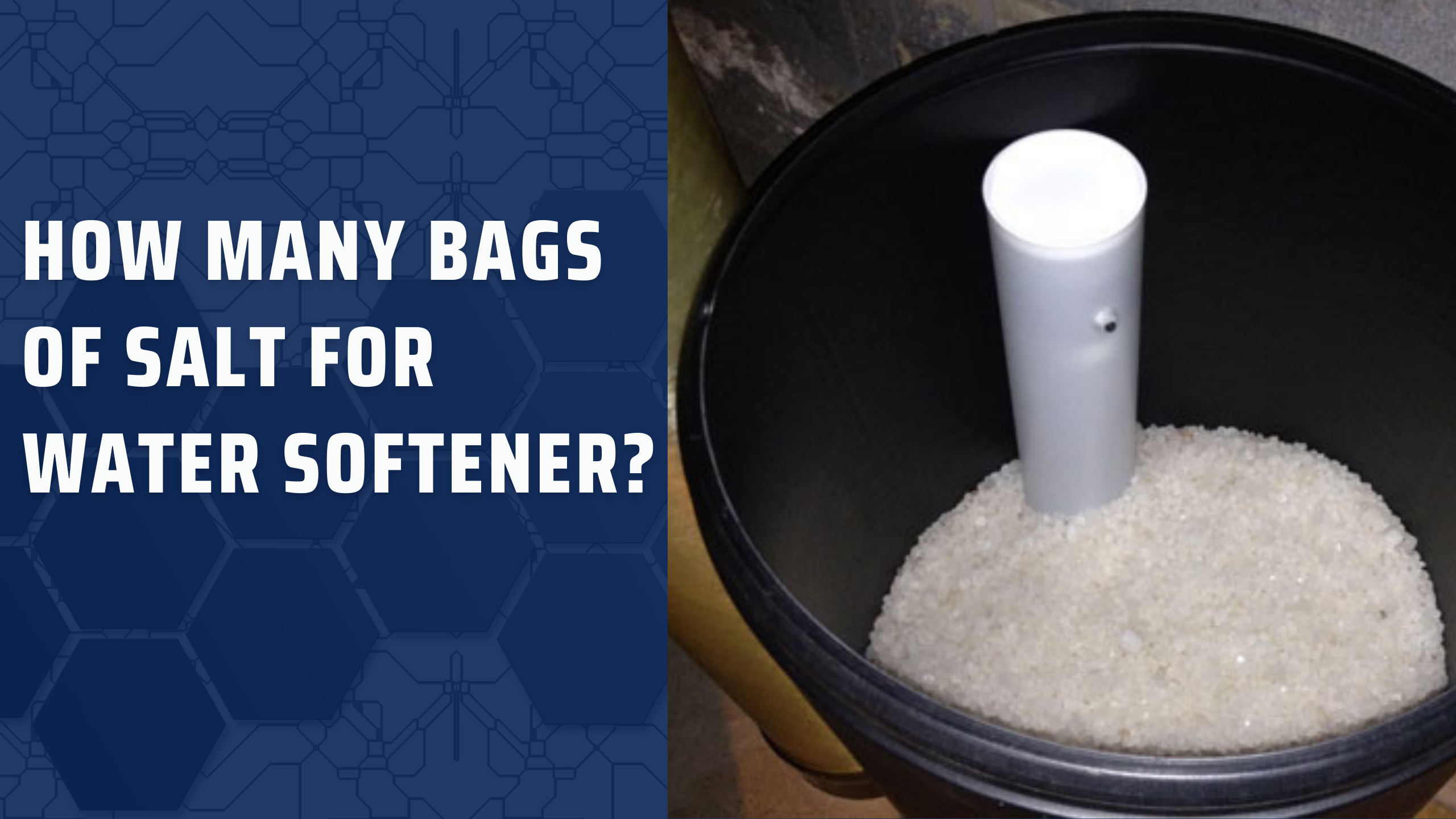
Most softeners have a brine tank—a big, white bucket that looks like a futuristic laundry hamper. You pour salt pellets in there, and the machine does its magic. But here’s the kicker: you don’t need to fill it to the brim like you’re prepping for a snow day.
Must Read
Experts say to keep the salt level at least half full, but no more than two-thirds. I once ignored this advice and filled mine to the top, thinking “more salt = softer water.” Nope. The salt bridged—meaning it formed a crusty, solid mass that looked like a snow cone from a dystopian carnival. My water stayed hard, and I had to chisel the stuff out with a screwdriver while muttering things I can’t print here.
How Often? A Tale of Bag-Flipping
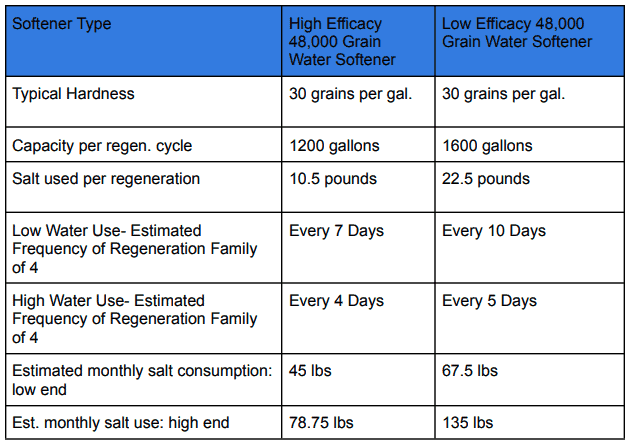
You don’t need a calendar; just peek in the tank once a month. If the salt looks like a sandy beach after a storm (i.e., you see a lot of mush), it’s time. On average, a household of four will go through a 40-pound bag every three to four weeks.
But here’s a pro-tip: you’ll know you’re low when your water starts feeling “squeaky” after a shower. That’s not clean—that’s mineral residue doing a tap dance on your skin. I learned this after a week of scratching like a bear with allergies. My wife looked at me and said, “Honey, I think we’re out of softener salt.” She was right. I was grumpy. The water was hard again.
Salt Types: The Unsexy but Necessary Choice
You’ve got options, and they matter. Solar salt comes from evaporated seawater; it’s cheap and works fine. Evaporated salt is the premium stuff—it’s cleaner, so your tank stays less sludgy. And then there’s rock salt. Avoid it unless you enjoy cleaning rust-colored gunk out of your system every six months.
 How Many Bags Of Salt For Water Softener? (Salt Quality Factors
I once bought rock salt because it was on sale for two bucks. The next month, my brine tank looked like the floor of a truck stop. Never again. Spend the extra three dollars. Your future self—and your water heater—will thank you.
The “Bridezilla” of Settings
Your softener’s control valve has a setting called hardness. You set it based on your water’s actual mineral content. If you live in an area with “moderate” hardness (say, 15 grains per gallon), you don’t crank it to 40 just to be safe. That’s like adding four shots of espresso to a single latte—you’ll get jittery water that wastes salt and empties your wallet.
I did that once. My water was so soft it felt like I was swimming in conditioner. My soap wouldn’t rinse off. I slipped in the shower. Twice. Now I just test my water with a simple kit from the hardware store—costs ten bucks and saves me from reenacting a cartoon slip-n-slide.
The “Salt Bridge” Nightmare (and How to Avoid It)
If you keep the salt level too low, or use the wrong type, it can form a salt bridge—a hollow crust that sits on top of the water like a brittle, salty iceberg. Your softener thinks the tank is full, but the salt isn’t dissolving. You get hard water, but the salt looks full. It’s a trickster.
 How Often to Add Salt to Your Water Softener | Team Austin
To check, take a broom handle and gently poke the salt. If it hits a hard layer an inch down, you’ve got a bridge. Break it up gently. I once whacked mine like a piñata and cracked the tank. Water everywhere. My dog looked at me with pure disappointment. Be gentle.
The Final Pour
So, how much salt in a water softener? Half to two-thirds full, and check monthly. Use good salt. Don’t over- or underfill. It’s like feeding a cat—you don’t dump the whole bag, but you don’t let the bowl go empty and hear the meows of protest.
And remember: if your water feels weird, it’s not you. It’s the salt. Or lack thereof. Or a bridge. Or your rock salt experiment. But honestly, once you get it right, you’ll never want to go back. Hard water? Hard pass.
Now go check your tank. I’ll wait.
