How To Calculate Water Hardness

So, the other day, I filled my kettle from the tap, flicked it on, and walked away. When I came back, there was a swirling blizzard of white flakes in my water, like someone h...

So, the other day, I filled my kettle from the tap, flicked it on, and walked away. When I came back, there was a swirling blizzard of white flakes in my water, like someone had dropped a tiny snow globe into my kitchen. I stared at it, genuinely offended, and thought, What did I ever do to you, tap water? That, my friend, was my dramatic introduction to the world of water hardness—and the moment I decided to figure it out.
What the Heck Is Water Hardness, Anyway?
Basically, it’s a measure of how much calcium and magnesium your water has dissolved in it. Think of your water as a thirsty hitchhiker, picking up these minerals as it travels through rock and soil. The more it picks up, the harder it gets—and the more annoying it becomes for your plumbing (and your kettle).
Now, you might be wondering if you need a chemistry degree to measure it. Spoiler: you don’t. You just need a few tools and a dash of patience—though I’ll warn you, the patience part is optional if you’re as clumsy as I am.
Must Read
The Soap Suds Test (Yes, With Actual Soap)
Grab a clean, clear glass bottle with a lid—an old water bottle works great. Fill it halfway with your tap water, then add exactly ten drops of liquid dish soap. No, not the fancy hand soap; the ordinary stuff, because we’re scientists here (ish).
Put the lid on, shake it like you’re trying to win a cocktail competition, and observe. If you get a thick layer of fluffy suds that last a few seconds, congrats—your water is soft. If you get sparse, sad little bubbles that vanish instantly, your water is hard. And if you get a weird, soapy scum on top—like a fog over a lake—well, you’ve got very hard water and my deepest sympathies.
Enter the Test Strips (For the Lazy Genius)
If shaking soap in a bottle feels too much like a middle school science fair you’d rather forget, buy a pack of water hardness test strips. They cost like five bucks online, and they’re idiot-proof—trust me, I’m the idiot who tested them.
![Convert Grains Per Gallon To PPM [Water Hardness Calculator]](https://worthwhiletech.com/images/water-hardness-unit-conversion.png) Convert Grains Per Gallon To PPM [Water Hardness Calculator]
Convert Grains Per Gallon To PPM [Water Hardness Calculator]
Dip one strip into a glass of water for a few seconds (check the package for exact time—don’t be a hero), then compare the color change to the chart on the bottle. Most charts use a scale like “soft,” “moderate,” “hard,” and “very hard.” Bonus points if you feel like a spy decoding a secret message.
The Math Behind It (Don’t Run Away)
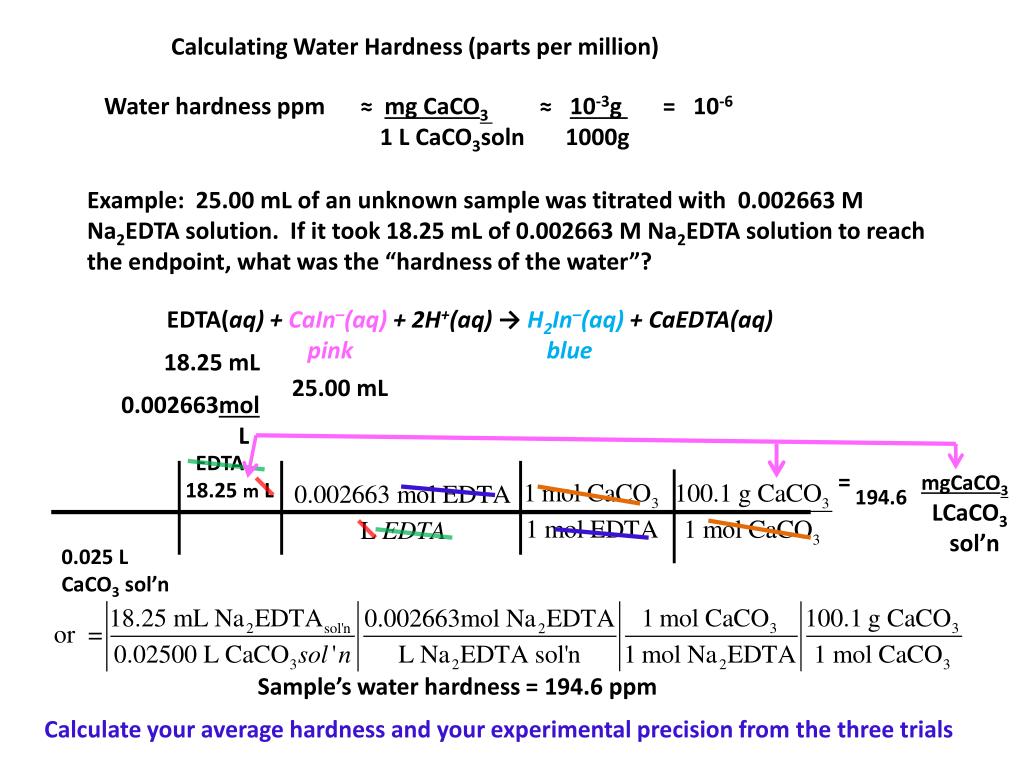
Okay, deep breath. If you want numbers—like actual grains per gallon or parts per million—you’ll need a more precise kit. Most home test kits measure in ppm (mg/L) or gpg. A simple conversion? 1 gpg = 17.1 ppm. See? Not scary.
Here’s a cheat sheet from the pros: 0–60 ppm is soft; 61–120 ppm is moderately hard; 121–180 ppm is hard; anything over 180 ppm is very hard. If your number is above 180, your water is basically a mineral smoothie. You might want to look into a water softener—or start appreciating that kettle snow globe.
Why Should You Even Care?
Because hard water is a silent bully. It scales up your pipes, ruins your water heater efficiency, and turns your hair into a straw-like mess. Have you ever washed a glass and found it covered in chalky spots? That’s hard water laughing at you. I mean it—I can almost hear it giggle from the dishwasher.
 PPT - Hardness of Water PowerPoint Presentation, free download - ID:6601427
Also, soap scum is just calcium and magnesium throwing a party with soap. Knowing your hardness number means you can adjust your detergent ratio, save money, and avoid that weird feeling when your skin feels sticky after a shower. (You know the one.)
A Quick, Ironic Hack: The Boiled Water Test
Boil a cup of tap water, let it cool, and look for white sediment at the bottom—that’s calcium carbonate saying hello. The more sediment, the harder your water. Is this scientific? Barely. Is it satisfying? Comically so. I once did this with my neighbor’s water, and we had a full-on “who has the worst water” contest. Spoiler: I won, and I’m not proud.
Putting It All Together
So, to calculate water hardness, you just need one of these methods: the soap shake, the test strip, or the boiled sediment trick. Once you have your number, you can decide if you want to fight back with a water softener, a filter, or just accept your fate with a poetic shrug. Water hardness isn’t the enemy—it’s just a number that tells you how much mineral personality your tap has.
Now, go test your water. I’ll be in the kitchen, making peace with my kettle snow globe. And hey, if your test strip turns dark purple and makes you panic—probably just means you have very hard water. Or a faulty strip. Could be either. Life’s a gamble, buddy.
