How To Check For Water Hardness

Okay, let’s be real for a second. You probably never think about your water until it does something weird, right? But trust me, knowing your water hardness is like knowing you...
Okay, let’s be real for a second. You probably never think about your water until it does something weird, right? But trust me, knowing your water hardness is like knowing your coffee order. It makes everything better.
So, what even is hard water? It’s basically water that’s been on a mineral tour. It’s picked up calcium and magnesium, like a tourist collecting fridge magnets. These minerals are the troublemakers, and they’re everywhere.
And here’s the first question: Why should you care? Because hard water is silently attacking your life. It leaves that crusty white stuff on your faucets, ruins your appliances, and makes your soap feel like wimpy jelly. No one wants that.
Must Read
The "Look & Scrub" Method
Start with your eyes. Take a good, hard look at your fixtures. Do you see chalky, white or yellow build-up on your showerhead or faucet? That’s hard water’s calling card. It’s like a bad tattoo that won’t fade.
Now check your dishes. After you wash them, do they come out spotty or look like they’ve been in a fog? That’s mineral residue. And your glassware? If it looks cloudy no matter how much you dry it, bingo. You’ve got hard water.
What about your laundry? If your clothes feel stiff or scratchy after drying, that’s minerals bonded to the fibers. Also, if your whites are looking gray or dingy faster than they should, blame the water. It’s a sneaky culprit.
The Soap Scam Test
Here’s a fun little science trick you can do right now. Fill a clear bottle or jar with tap water—about halfway. Add a few drops of pure liquid soap. Don’t use detergent; use real soap.
Now, shake it like you mean it. Really go for it for about ten seconds. Watch for suds. If you get a big, foamy pile of bubbles, your water is probably soft. Lucky you.
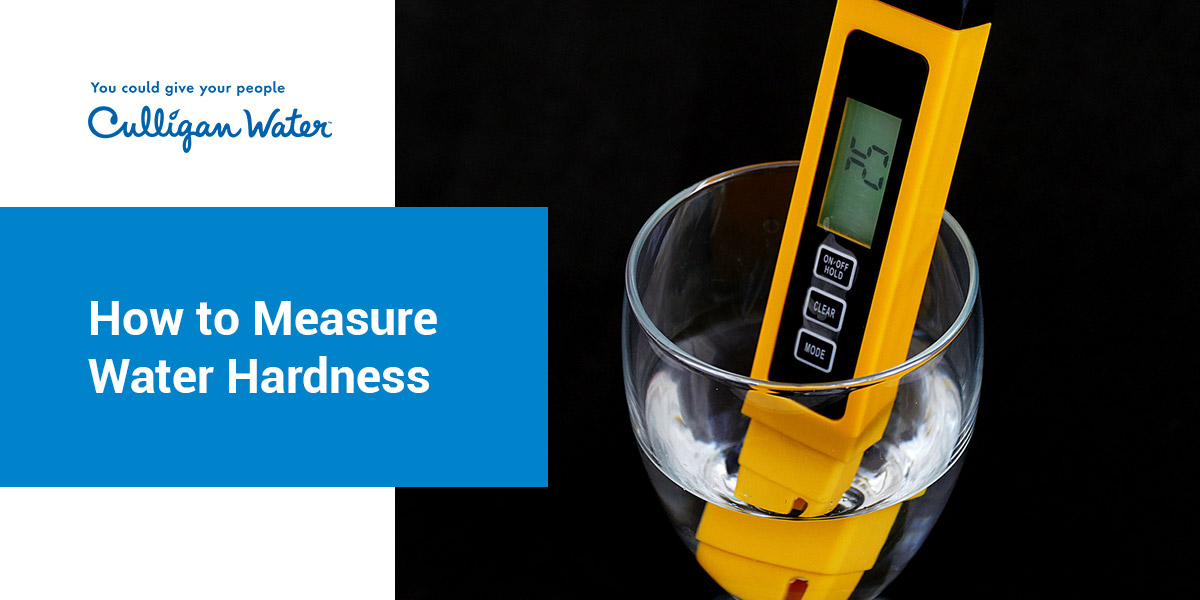 Water Hardness Calculator: Easily Determine Total Hardness - XHZA
But if the water looks cloudy and you barely get any suds—just a sad film on top—your water is hard. The soap is trying to bond with the minerals, not your dirt. It’s a total betrayal of the sudsy pact we all count on.
Pour the mixture out and check the jar itself. If it leaves a residue ring, that’s soap scum. Hard water and soap hate each other, and you’re stuck in the middle.
The DIY Home Test Kits
If you want to get a little more scientific without needing a lab coat, buy a home hardness test kit. They are cheap, like the price of a fancy latte. And they’re way more accurate than guessing based on spots.
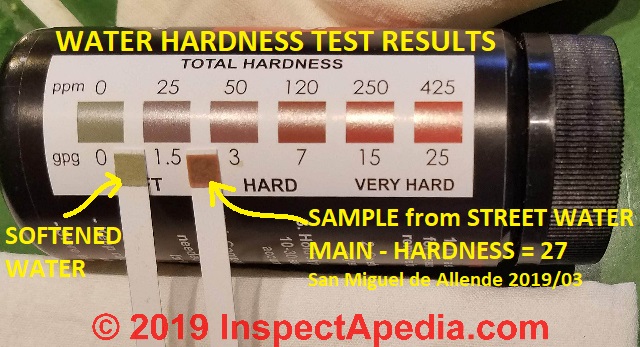
Most kits use a strip you dip in water for a second. Then you watch the color change. It’s like a mood ring, but for your pipes. Match the color to the chart, and you get a number—often in grains per gallon (gpg) or parts per million (ppm).
Anything under 1 gpg is soft. 3 to 7 gpg is moderately hard. Above 10 gpg? You are living in a mineral fortress. Congratulations, your water is basically a geology exhibit. Time to consider a softener, my friend.
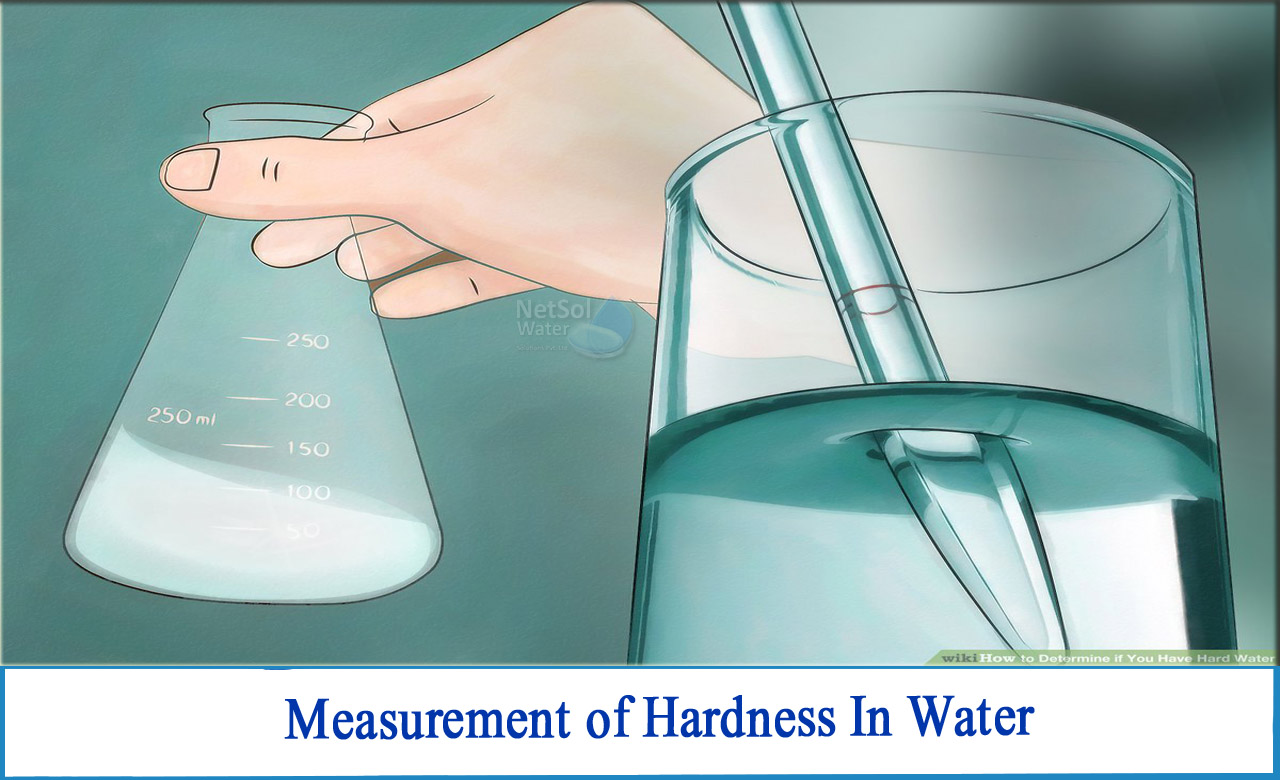 4 ways to measure water hardness _ how to check water hardness – PBFF
The "Feel" Factor
Don’t underestimate your own skin. Hard water makes your skin feel squeaky? Actually, that’s not clean—that’s soap scum sticking to you. Soft water makes your skin feel silky and slippery afterward.
Also, your hair knows the truth. Hard water makes hair feel brittle, tangled, or coated like it has helmet hair. Soft water makes hair feel soft and bouncy. Listen to your scalp. It’s not lying.
And let’s talk about the water flow. If your showerhead has weak, sputtering pressure—even after cleaning it—mineral buildup might be clogging the holes. Time to soak that thing in vinegar, or just accept your fate.
Call a Professional (No, Really)
Look, if you’re still not sure, just call a plumber or water treatment company. Most will do a free test. They’ll show you the results on a little meter, and then try to sell you a system. That’s okay.
You can also check with your city’s water utility. They often publish water quality reports. It’s dry reading, but the hardness data is in there. It’s like the secret menu of your tap water.
So, what’s your first move? Grab a jar and some soap. Do the shake test tonight. Your faucets, your laundry, and your coffee disposition will thank you. And you’ll never look at a soap bubble the same way again.
