How To Test Your Water Hardness

Have you ever noticed a weird, white film on your freshly washed glasses? Or maybe your skin feels a little tight after a shower? That, my friend, could be hard water making i...
Have you ever noticed a weird, white film on your freshly washed glasses? Or maybe your skin feels a little tight after a shower? That, my friend, could be hard water making its presence known.
Think of it like this: soft water is a gentle rain on a leaf, while hard water is like a mineral-rich mountain stream. It’s not bad for you—it’s actually full of calcium and magnesium—but it can be a real nuisance for your pipes and appliances.
So, how do you find out if you’re dealing with hard water? The good news is you don’t need a lab coat or a chemistry degree. Let’s dive into a few simple, at-home tests that are actually kind of fun.
Must Read
The Soap Suds Shake Test (The Classic Party Trick)
This one is stupidly easy and only requires a clean, clear plastic bottle with a lid. Fill it about one-third full with tap water from your kitchen sink.
Add a few drops of pure liquid soap—not detergent, just basic soap. Avoid anything fancy with moisturizers or scents, as those mess up the result.
Now, put the cap on and shake it wildly for about ten seconds. Watch what happens. If you get a big, fluffy pile of suds that sticks around, you likely have soft water. If you get few suds and the water looks cloudy or milky, congrats—you found hard water.
Why does this happen? It’s all chemistry! The minerals in hard water “grab” the soap molecules before they can lather. You’re basically seeing a tiny science feud between your soap and your water.
The Film Factor
This trick also reveals a second clue: look at the sides of the bottle after you stop shaking. Hard water leaves a thin, white film. That’s the mineral dealers of the story—the calcium and magnesium—hanging out.
Soft water, on the other hand, leaves the plastic perfectly clear. It’s like your bottle just had a spa day.
 How To Test Your Water Hardness At Home at Hazel Peterson blog
The Visual Inspection (Become a Water Detective)
You don’t even need to touch anything for this one. Just look at your kettle or coffee maker. Over time, hard water builds up a crusty, white or yellowish deposit called scale.
If you see a ring of white crumbs around the bottom of your kettle, that’s a dead giveaway. Compare it to your neighbor’s kettle—if theirs is spotless and yours looks like a miniature chalkboard, you’ve got hard water.
Another visual clue: your shower head. If the little nozzles are clogged with white crust, that mineral buildup is literally blocking your water flow. It’s like your shower head is screaming for a vacation.
The Fingerprint Test (Dishwasher Drama)
Pull a clean glass from your dishwasher. Does it have spots or a hazy film? Run your finger across it. If it feels slippery or leaves a fingerprint trail, that’s hard water residue.
That film isn’t dirty; it’s just dried-up minerals. Soft water would leave the glass so clear it looks invisible. It’s a pretty stark contrast once you know what to look for.
The DIY Test Kits (If You Want Numbers)
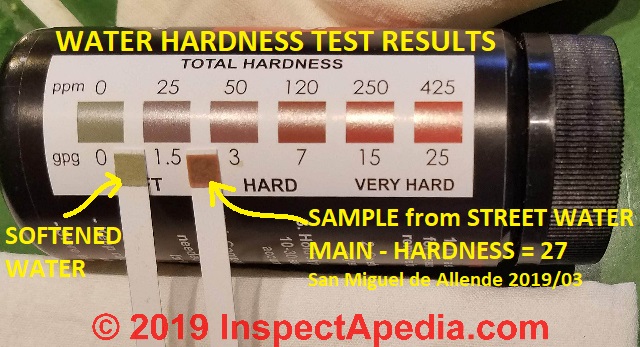
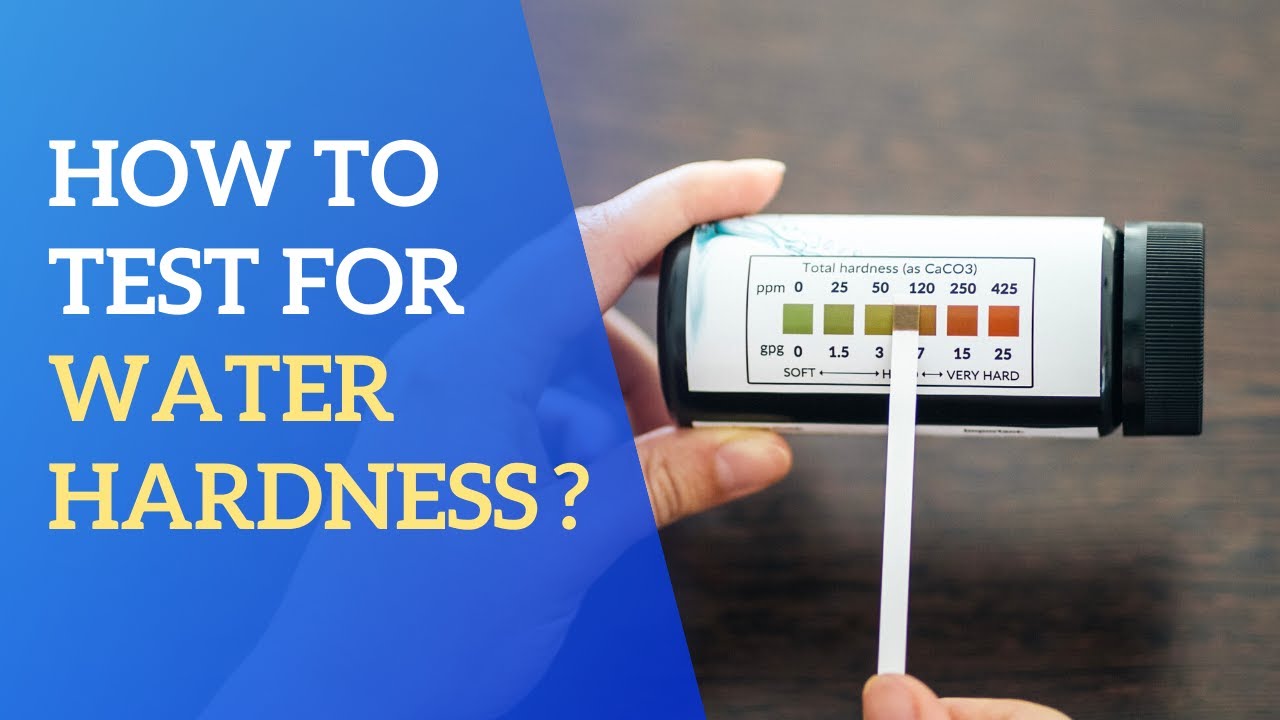
If you’re a numbers person, you can grab a water hardness test kit online or at a hardware store for about ten bucks. These usually come with a little test strip you dip into a glass of water.
 A Guide For How To Test Water Hardness – JFFA
Wait a minute, and the strip changes color. Then you compare it to a chart. It’ll tell you if your water is “slightly hard,” “moderately hard,” or “calcium city” (usually labeled “very hard”).
It’s like a mood ring for your water. Fun, right? Plus, you get a concrete number to brag about (or complain about) at dinner parties.
Why Bother Testing?
So, why does this matter? Because knowing your water hardness can save you money and headaches. Hard water shortens the life of your water heater, dishwasher, and washing machine by building up scale inside them.
It also makes your laundry feel stiff and dull—even with the best detergent. And it can dry out your skin and hair, making you look like you just wrestled a tumbleweed.
Once you know your water type, you can adjust. Use a little more soap, add a rinsing agent, or even consider a water softener if it’s extreme. It’s about being in control, not fighting your faucet.
Testing your water is a tiny experiment that connects you to your home’s hidden systems. It’s a simple power move. So grab a bottle, shake it up, and become the water wizard you were always meant to be.
