How To Fill Water In Humidifier

Let’s face it: You bought a humidifier to stop waking up feeling like a shriveled raisin. But now it’s sitting there, dry and dusty, judging you. The good news? Filling it isn...
Let’s face it: You bought a humidifier to stop waking up feeling like a shriveled raisin. But now it’s sitting there, dry and dusty, judging you. The good news? Filling it isn’t rocket surgery. The bad news? You can absolutely mess it up in spectacularly soggy ways. Grab your tap water—or don’t, we’ll get to that—and let’s get this moisture machine humming.
Step 1: Unplug or Regret It
First, and I cannot stress this enough: unplug the dang thing. Water and electricity are best friends that throw deadly parties. If you don’t unplug, you might discover what a jacuzzi used as a zapper feels like. Trust me, your morning cough is less annoying than a trip to the ER.
Even if the tank is empty, do not be a hero. Some humidifiers hold a static charge that loves to high-five your wet fingers. Unplug it. Then unplug it again for good measure. Your safety is worth the extra five seconds of yanking a cord.
Must Read
Step 2: Find the Tank (It’s Hiding)
Now, locate the water tank. On most models, it’s the big plastic jug that looks like a disappointed ghost. Some tanks lift off from the top; others swing out from the side like a secret door in a spy movie. If you can’t find it, read the manual. Yes, the manual. I know it’s under the couch cushion with a coffee stain, but go dig it up.
Here’s a surprising fact: some humidifier tanks hold over a gallon of water. That’s roughly the same volume as two large soda bottles—or one adult squirrel’s home. Don’t underestimate the weight. You’ll be cradling that tank like a hungry baby.
Step 3: Choose Your Water Wisely
This is where things get whispered about in humidifier cults. You have three options: tap water, distilled water, or “I’ll use whatever’s in this mug.” Tap water is fine for most people, but if your tap water is harder than a math exam, it’ll leave white dust that makes your furniture look like a powdered donut. Distilled water is the royalty of humidifier fuel—no minerals, no dust, no drama. But it costs money, because of course it does.
Pro tip: never use hot water. It sounds smart, but hot water can crack the tank or turn your humidifier into a bacteria spa. Cold is the way. Also, don’t add essential oils unless your humidifier explicitly allows it. If it doesn’t, you’ll end up with a sticky mess that smells like a failed aromatherapy startup.
 How To Fill A Humidifier | Storables
A Wild Fact: Humidifiers Can Grow Slime Faster Than a High School Reunion
If you fill a humidifier and then forget about it for a week, you’re not just adding moisture to the air—you’re cultivating a microbial biome. Some studies show humidifiers can breed Legionella bacteria (yes, that’s the stuff that causes Legionnaires’ disease). Sounds scary, but you can avoid it by cleaning your tank every few days. Or just pretend it’s a science experiment. Your call.
Step 4: Fill It Without Drowning the Floor
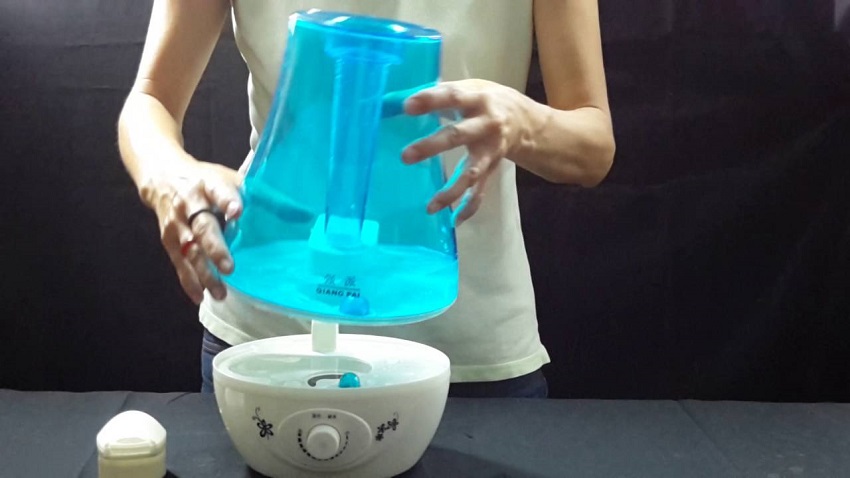
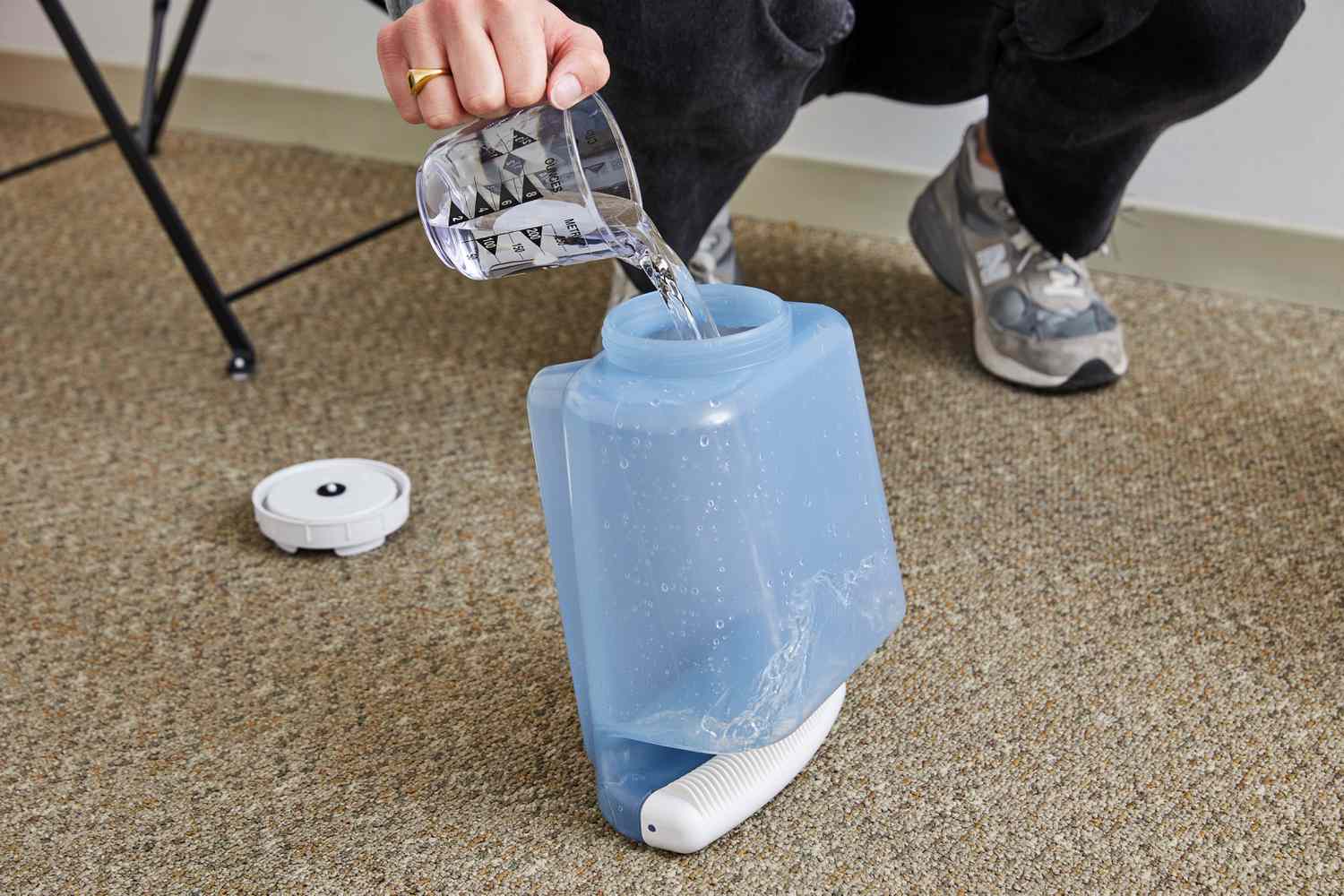
Take the tank to the sink. Turn it upside down—the opening you fill is usually on the bottom. Run cold tap water into the opening. You’ll see the water level rise, but stop before it overflows. Your kitchen floor is not a kiddie pool. Fill it to the “Max” line if there is one, or about three-quarters full if it’s a mystery tank.
Now, screw the cap back on. And I mean screw it on tightly. If you leave it loose, you’ll hear a sad gurgling sound followed by a puddle that will ruin your rug. Think: submarine captain checking for leaks. Not aggressive, but firm.
A Lighter Note: You Can Use a Funnel, Unless You Love Messes
I own a funnel, and I still spill water on my shoes. It’s a rite of passage. If you’re not a fan of wet socks, use a funnel. Or better yet, buy a humidifier with a wide opening—some are as broad as a cereal bowl. Those are the Lamborghinis of humidifier filling. Get one if you can.
![How To Fill Ultrasonic Humidifier [Quickly And Easily] - HVACseer.com](https://hvacseer.com/wp-content/uploads/2022/10/Filling-the-reservoir-with-water.jpg) How To Fill Ultrasonic Humidifier [Quickly And Easily] - HVACseer.com
How To Fill Ultrasonic Humidifier [Quickly And Easily] - HVACseer.com
Step 5: Reassemble & Pray to the Moisture Gods
With the tank full and sealed, place it back onto the base. Listen for a satisfying click or thunk. That means it’s seated properly. If it’s wobbly, it’s not seated—it’s just sitting there like a drunk guest. Push it down gently until it feels snug. Some tanks need a little twist, like unscrewing a pickle jar in reverse.
Plug the humidifier back in. Turn it on. Wait ten seconds. You should see a mist, or hear a soft hum, or feel a cool kiss of vapor. If nothing happens, check that the tank is full—sometimes the float switch is a diva and needs a gentle nudge. If still nothing, unplug it and repeat Step 1. Maybe your humidifier is just shy.
The Surprising Finale: You’ve Just Mastered Home Hydration
Congratulations. You are now a certified Humidifier Hydration Specialist (patent pending). Your skin will glow, your plants will weep with joy, and your sinuses will throw a party. But remember: fill it with cold, clean water, unplug before touching, and never, ever fill it while wearing socks on a hardwood floor. Because that’s how slip-and-slide meets the 911 call.
One last fact: a humidifier in a dry room can increase humidity by 20–30 percent in just two hours. That’s enough to make your cat’s fur feel static-free. So go forth, fill that tank, and breathe like a moist, healthy human. You earned it.
