What Does Cut Water Taste Like

You’ve probably heard the term cut water tossed around at cocktail bars or by that friend who’s way too into mixology. It sounds technical, maybe even a little intimidating. B...

You’ve probably heard the term cut water tossed around at cocktail bars or by that friend who’s way too into mixology. It sounds technical, maybe even a little intimidating. But the reality is far simpler and surprisingly refreshing.
In the world of spirits, cut water is the soft, neutral water used to dilute high-proof alcohol before bottling. It’s the silent partner in your favorite whiskey, vodka, or gin. And believe it or not, it has a distinct taste.
So, What Does It Actually Taste Like?
Straight from the glass, cut water tastes like nothing—or, more accurately, it tastes like purity. It’s water that has been stripped of minerals, salts, and any character, leaving a blank canvas. Think of it as the opposite of mineral water’s crisp bite.
Must Read
That "nothingness" is incredibly smooth on the tongue. It doesn’t have the metallic tang you get from tap water or the chalky finish of some springs. It’s like the silent pause between musical notes—essential, but invisible.
When you sip it plain, you mostly notice what’s not there. No lingering flavor, no temperature shock, just a flat, velvety wetness. It’s the quietest sip you’ll ever take.
The Secret Life of Cut Water
Distilleries use cut water because it doesn’t interfere with the spirit’s flavor profile. If they used mineral-rich water, it could clash with the whiskey’s caramel notes or the gin’s botanicals. So they use pure deionized or distilled water.
Fun fact: In Scotland, many distilleries source their cut water from the same natural springs used to make the whisky. The local geology gives each brand a subtle, almost imperceptible signature. But for commercial bottles, it’s usually highly filtered.
You might think you’ve never tasted it, but you have. Every time you order a neat whiskey that’s 80-proof, 40% of that bottle is cut water. It’s the unsung hero of your highball.
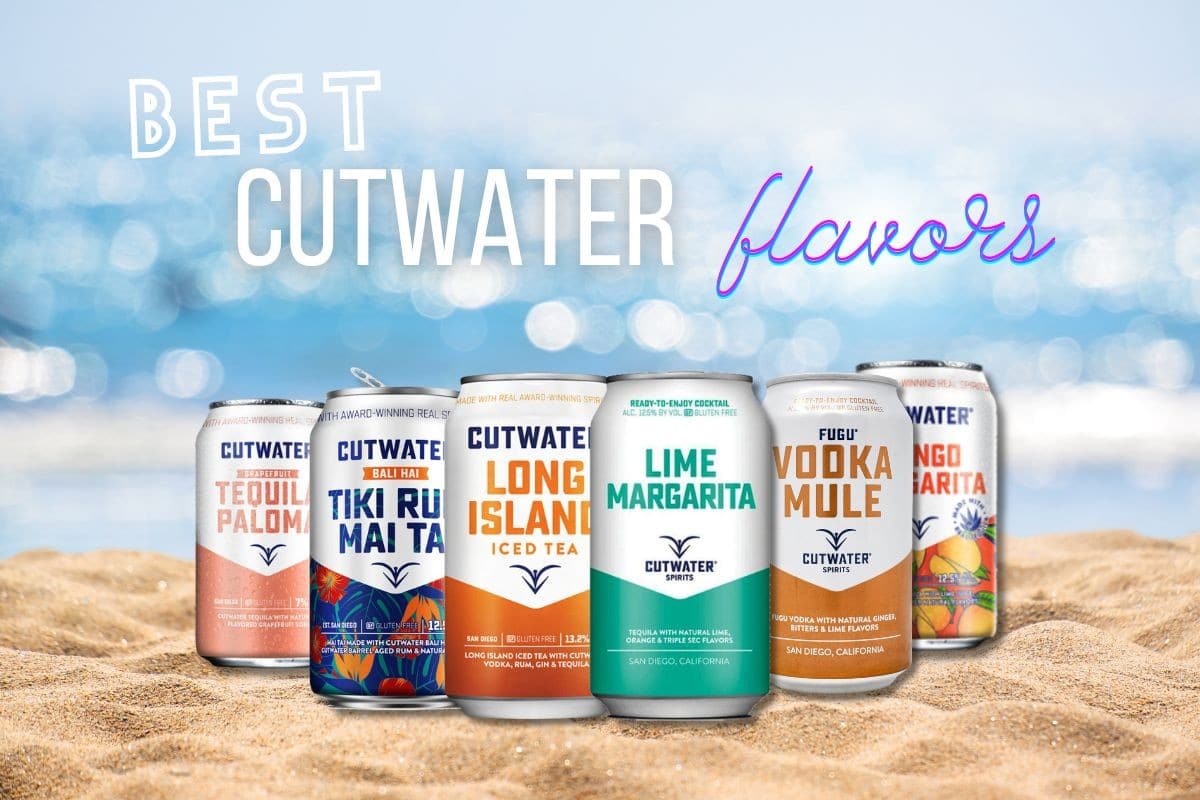 6 Best Cutwater Spirits Canned Cocktail Flavors
A Tiny Cultural Footnote
The term itself has a gritty, historical charm. Cut water comes from the process of "cutting" the high-proof alcohol (the "high wine") down to drinking strength. In Prohibition-era America, bootleggers would use questionable creek water—and god knows what else—to cut their whiskey. Not exactly the same thing.
Today, top bartenders obsess over cut water. They’ll use specific brands of distilled water or even craft their own blends. Why? Because the ice in your cocktail is cut water too, and when it melts, it becomes the mixer. Bad ice can ruin a perfect Old Fashioned.
Practical Tips: How to Taste It Yourself
Want to know what cut water tastes like without buying a bottle of grain alcohol? Try this: Buy a gallon of distilled water from the grocery store. That’s your baseline cut water. Then, pour a small glass alongside a glass of your regular tap water and a glass of sparkling mineral water.
Sip the still water first. You’ll notice it feels almost slippery on the tongue, with zero finish. Then try the tap water—suddenly, it tastes mineral-heavy and maybe a bit chlorinated. The contrast is shocking. Finally, the sparkling water will feel like a flavor explosion by comparison.
Now, take that same distilled water and use it to make coffee or tea. You’ll taste a cleaner, brighter flavor as if the drink itself has been polished. It’s a fun kitchen experiment that redefines your perception of "plain water."
 Food Rankings | Sporked
Why It Matters in Daily Life
You might be thinking, "Who cares about water that tastes like nothing?" But here’s the thing: cut water is a reminder that presence is not always about flavor. Sometimes, the most important ingredients are the ones that ask for nothing in return.
When you’re making iced tea or cocktails at home, consider the quality of your water. A simple switch to a filtered or distilled variety can elevate a mediocre drink to something memorable. It’s a cheap, easy upgrade.
Also, next time you watch a bartender shake a martini, know that the ice melting in that shaker is doing more than cooling—it’s actively shaping the drink’s texture and dilution rate. That’s cut water in action, working its quiet magic.
A Short Reflection
Life, like a good whiskey, is full of bold flavors—spicy highs, bitter lows, sweet moments. But cut water teaches us that true balance often comes from what we subtract, not what we add. It’s in the pause between arguments, the silence after music, the plain glass of water after a day of chaos.
So the next time you take a sip of something crisp and clean, think of that invisible, taste-free ingredient. It’s not boring—it’s essential. And sometimes, the most refreshing thing you can taste is nothing at all.
