What Does Hard Water Look Like

You know that moment you pull a sparkling glass out of the dishwasher, hold it up to the light, and... yikes. There are white, crusty spots all over it, like a snowflake had a...
You know that moment you pull a sparkling glass out of the dishwasher, hold it up to the light, and... yikes. There are white, crusty spots all over it, like a snowflake had a bad day. That, my friend, is hard water saying hello. It’s not a ghost or a stain from yesterday’s spaghetti—it’s just mineral buildup, mostly calcium and magnesium. And honestly? It’s the kind of houseguest that overstays its welcome without even knocking.
The Telltale Signs in Your Sink and Shower
Let’s start with your shower, because nobody wants to feel like they’re washing in a science experiment. Have you noticed your glass shower door looking foggy and white, no matter how much you scrub? That’s hard water residue, often called scale. It’s like the water decided to leave a little chalky painting behind every time it dries.
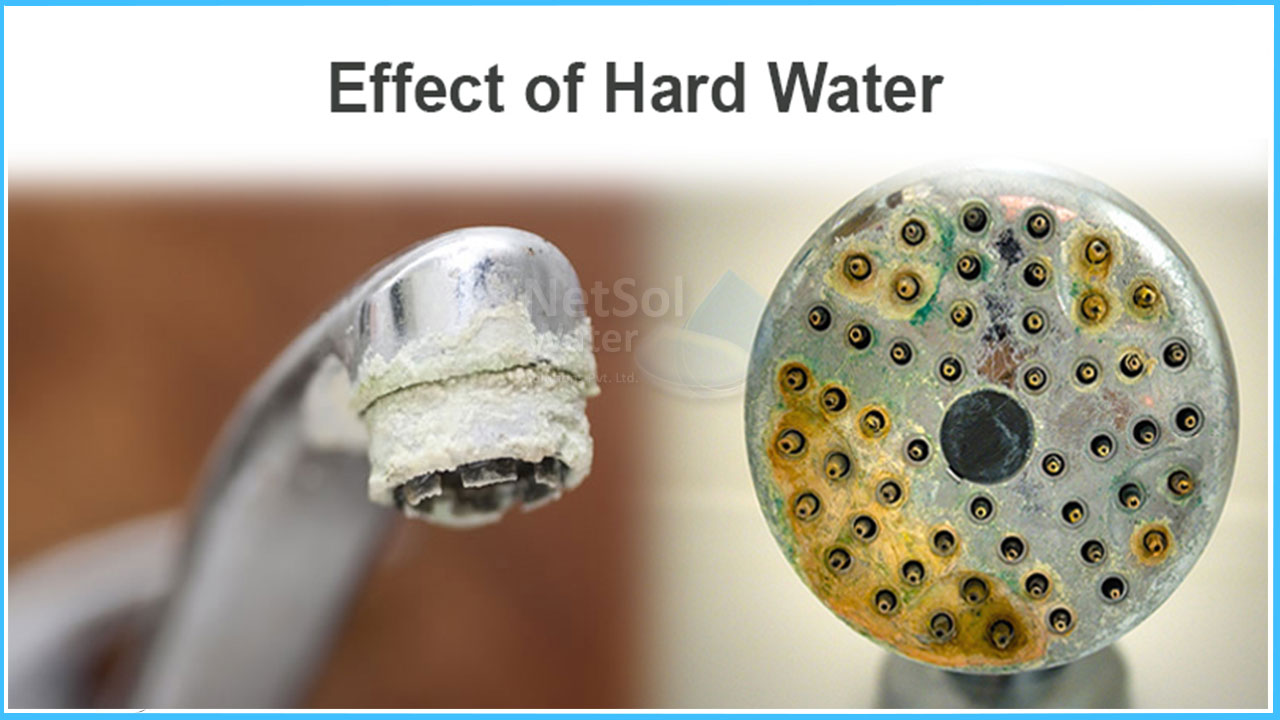
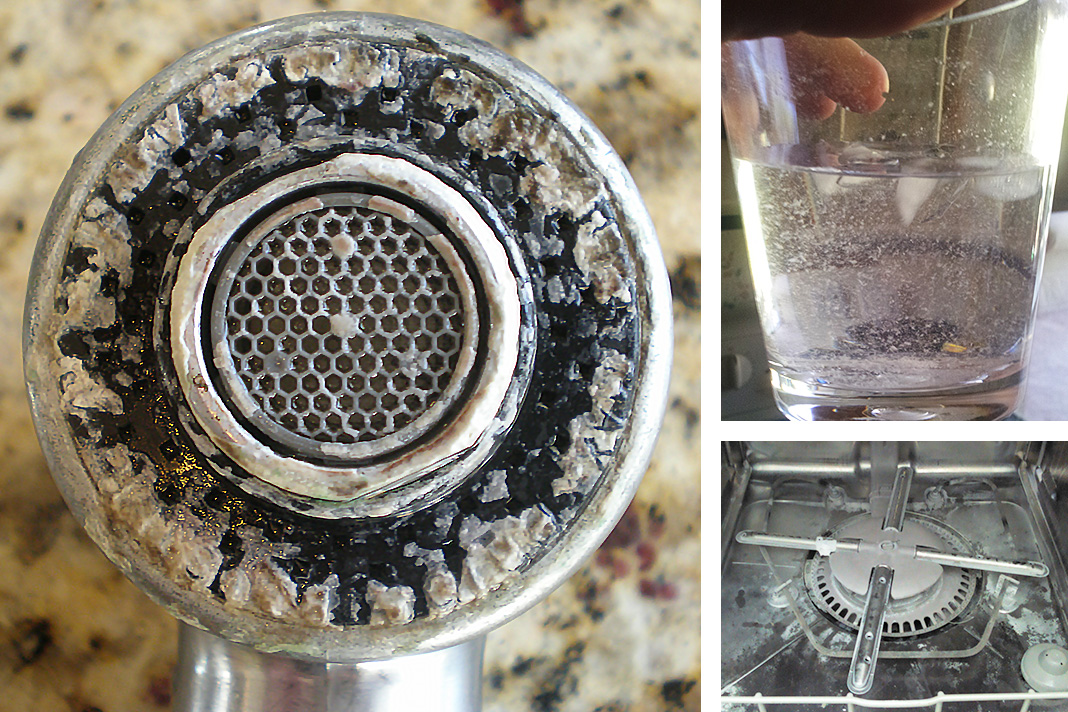
Then there’s your faucet. You know those crusty, white or greenish flakes that build up around the spout? They look like tiny, sad stalactites. If you have to chip them off with your fingernail, you’ve got hard water. It’s not dangerous, but it sure isn’t pretty, and it makes your shiny chrome fixtures look like they belong in a cave.
Must Read
What About Your Laundry and Dishes?
Pull a white T-shirt out of the wash, and it looks a little... gray. Or maybe it feels stiff, like cardboard. That’s hard water minerals clinging to the fabric, making it feel rough. Your clothes aren’t getting as clean, and they wear out faster. It’s like the water is giving your favorite jeans a sandpaper treatment every cycle.
And those dishes? We already mentioned the spots. But it goes deeper. Run your finger over a supposedly clean plate—if it feels gritty or slightly slimy, that’s hard water again. It leaves a film that soap can’t quite rinse away. Your morning coffee mug might even have a rainbow sheen on top of the coffee stain. Not cute.
The "Soap Scum" Problem (It’s a Real Thing)
Let’s talk about soap scum. That white, waxy film that builds up in your tub or on your sink? That’s hard water teaming up with your soap to form a grimy alliance. Your shampoo and body wash don’t lather as well, leaving you feeling like you’re rubbing lotion on a chalkboard. It’s why you might need to use twice as much soap to feel clean.
 Wat Is Hard Water? _ The Difference Between Hard and Soft Water – IPTT
For the curious, here’s the quick science: soap and hard water minerals react to form a solid (scum) instead of a sudsy lather. Your beautiful bubble bath turns into a sad, filmy puddle. It’s like trying to make a cake with sand instead of flour—it just doesn’t work the same way.
Why Should You Care? (The Fun Part)
Okay, so hard water looks annoying. But why does it matter for your everyday life? For starters, it’s a silent wallet drainer. That scale buildup inside your pipes and water heater makes them work harder, use more energy, and break down sooner. A water heater choked with scale can’t heat water efficiently, costing you money on your energy bill. It’s like your appliances are walking around with a winter coat on in summer.
Your skin and hair feel it too. If your hair feels dry, brittle, or just “off” after washing, hard water might be the culprit. It can leave a mineral film that traps dirt and makes your scalp itchy. Your skin might feel tight or look dull, no matter how much lotion you use. It’s like wearing a very thin, invisible suit of armor made of chalk.
 Hard Water Could Be Aggravating Your Skin Condition — Home Water Advisor
How to Spot It Like a Pro
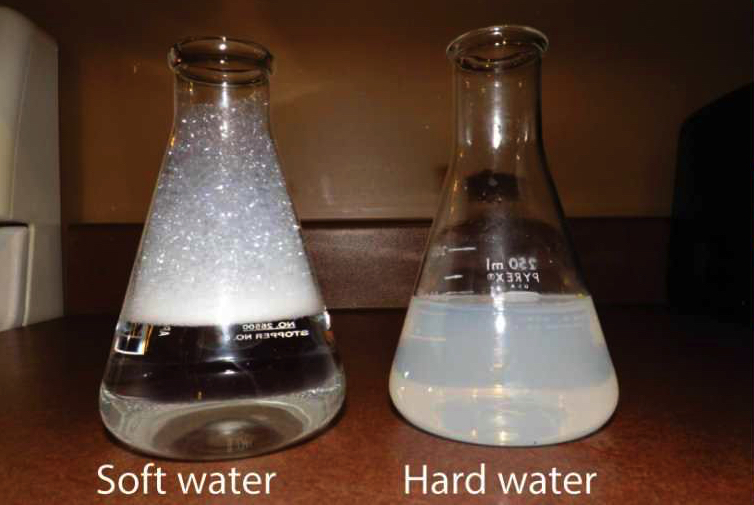
Here’s a fun test: fill a clear glass with tap water. Add a few drops of pure liquid soap (no dyes or lotions). Shake it up. If the water turns cloudy or you get barely any suds, congratulations—you have hard water. If it gets nice and foamy, you’re in the soft water club. Most of us are in the cloudy camp, and that’s totally normal.
Another clue: check your kettle or coffee maker. If you see white flakes floating in your tea or coffee, that’s hard water scale that has flaked off the heating element. Yep, you might be drinking tiny bits of dissolved rock. It’s not harmful, but it’s not exactly gourmet, either.
The Takeaway: It’s Not the End of the World
Hard water isn’t dangerous to your health—it’s just a bit of a diva. It makes your home look messy, your hair feel sad, and your appliances work overtime. But knowing what it looks like is the first step to outsmarting it. A simple water softener or a descaling filter can turn your crusty, spotty world into a shiny, happy one.
So next time you see that white film on your glass or feel that gritty plate, don’t panic. Just smile and say, “Ah, there you are, hard water.” Then maybe pour yourself a filtered drink—without the floating rock bits. Your faucet, your skin, and your laundry will thank you.
