What Does Carbon Filter Remove

So, you’ve heard about carbon filters. Maybe you just bought a fancy water pitcher. Or you’re obsessing over a new air purifier. Welcome to the club of people who want their s...

So, you’ve heard about carbon filters. Maybe you just bought a fancy water pitcher. Or you’re obsessing over a new air purifier. Welcome to the club of people who want their stuff to smell and taste like nothing weird.
Let’s grab a coffee (filtered, obviously) and chat. What actually happens inside that little black brick of magic?
The Moss on a Log Analogy (Stick With Me)
Imagine a giant, chaotic party. The air or water is the room, and unwanted guests are floating everywhere. A carbon filter is like a super-absorbent, clingy host. It doesn’t just ask them to leave—it grabs them and holds on tight.
Must Read
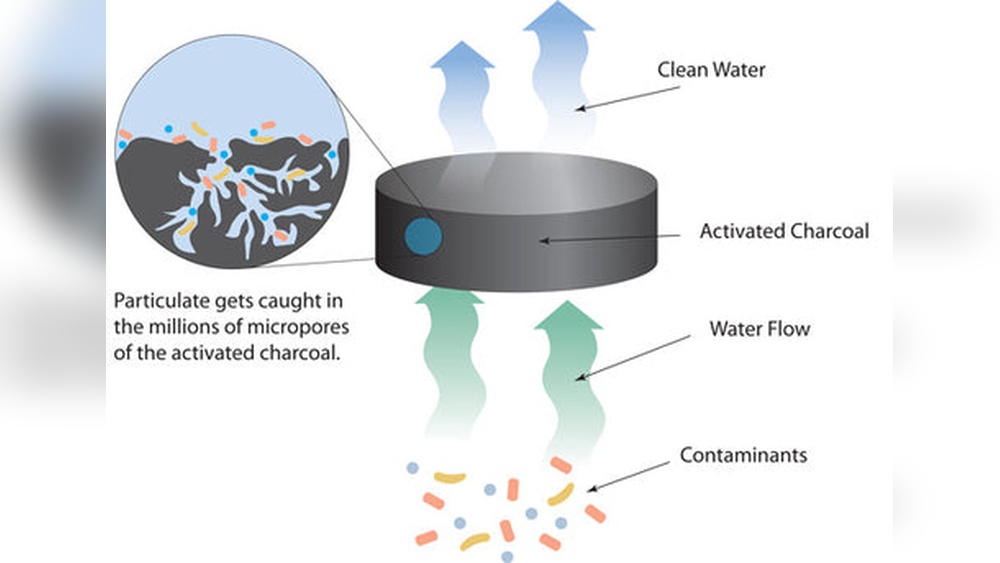
The technical term is adsorption. Not absorption, which is like a sponge soaking up water. Adsorption is more like a magnet attracting iron filings to its surface. The carbon is full of tiny nooks and crannies. It’s a microscopic maze designed for capture.
The Oops, I Ate Broccoli (Odors and Gases)
This is where carbon filters shine. They are the silent ninjas of stink removal. Think of that lingering fish smell after dinner. Or the mysterious pet odor you’ve tried to ignore.
A carbon filter says, “Not on my watch.” It pulls volatile organic compounds (VOCs) out of the air. That fancy term just means stuff that evaporates and stinks. Like paint fumes, new carpet smell, or your roommate’s intense gym socks.
Seriously, these filters are why your fridge doesn’t smell like a science experiment. They trap the gas molecules before they can invade your nostrils.
But Wait, What About That Smell?
Yes, it even handles the smelly smoke of a campfire or a burnt piece of toast. It’s not a miracle worker for a house fire, but for everyday smelly moments? Solid gold. Think of it as an odor vacuum with a very picky taste.
The Chlorine Surprise (Tap Water’s Enemy)
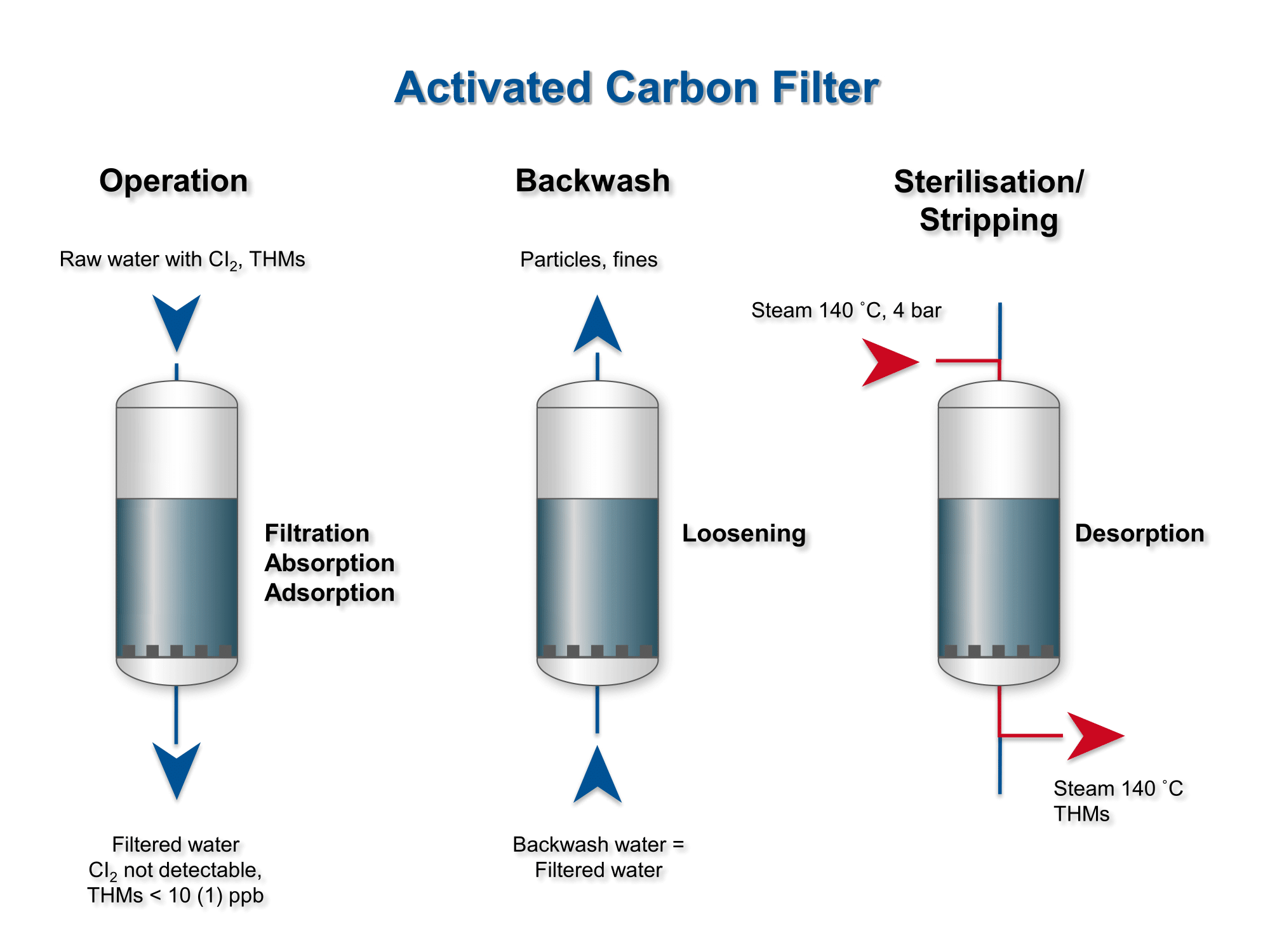
Let’s talk about water. You fill a glass from the tap. It looks clear, but your nose says, “Pool party!” That’s chlorine. Carbon filters are absolute bullies to chlorine.
 Water Filtration Activated Carbon at Abigail Schardt blog
They rip it right out of the water. This is why filtered water tastes “cleaner” and “smoother.” It’s not your imagination. The filter is literally removing the chemical flavor your municipal water plant added to kill bacteria.
It also goes after other bad-tasting compounds. That metallic or bitter aftertaste? Gone. Your tea will finally taste like tea, not like the pipe it traveled through.
The “Forget About It” List (Sediments and Big Stuff)
Okay, here’s the thing: a basic carbon filter is not a superhero. It won’t remove everything. If you have cloudy, sandy water, you need a sediment filter first. Carbon is for taste and odor, not for mud.
It also doesn’t care about minerals. That “hard water” white scale on your kettle? Yeah, calcium and magnesium just laugh at a carbon block. You need a water softener for that fight.
The Big Bads It Can’t Touch (Viruses and Heavy Metals)
Let’s be brutally honest. Your standard activated carbon filter is useless against most bacteria and viruses. They are too small. They slip right through the carbon maze like a greased piglet.
Heavy metals like lead, arsenic, and mercury? Maybe some, but not reliably. You need a specialized filter or reverse osmosis for those nasties. Don’t go drinking pond water thinking your charcoal stick will save you. It won’t. That’s a Darwin Award waiting to happen.
But What About the “Good” Stuff?
Ironically, carbon filters can remove some beneficial minerals. Very few, but don’t rely on it for adding health. It has one job: clean the gunk. It’s a spa treatment, not a multivitamin.
 What Does A Carbon Filter Remove From Water: Key Contaminants Explained
Air Purifiers vs. Water Pitchers (Same Tech, Different Jobs)
Your kitchen faucet filter uses the same basic principle as your bedroom air purifier. Carbon is carbon. But the “stink” is different. Air filters target smoke, dander, and cooking smells. Water filters target chlorine, pesticides, and weird tastes.
One big no-no: A water filter can’t clean your air. And an air purifier won’t make your drinking water taste better. Don’t try it. I’m asking you nicely.
The “I’m Full” Problem (When to Replace It)
Here’s the kicker. A carbon filter has a finite amount of those clingy surfaces. Once all the nooks and crannies are filled with captured stank, it stops working. In fact, it can become a breeding ground for bacteria if left in too long.
You’ll know it’s done. Your water starts tasting like the tap again. Your air purifier smells like a damp sock. That’s the signal. Don’t be cheap. Replace it. Your nose will thank you.
The Bottom Line (In Plain English)
So, what does a carbon filter remove? Smells, tastes, and floating chemical vapors. It’s a master of the subtle unpleasantness that makes tap water “meh” and stale air “ugh.” It’s the best friend of a clean home and a happy palate.
But remember, it’s not a magic eraser. It won’t kill germs or fix hard water. Use it for its intended purpose. Buy a decent one. Change it on time. Drink your not-chlorinated water. Breathe your not-stale air. You’re welcome.
Now, pass the coffee. And make sure it’s filtered.
