How Long Does Ro Membrane Last

So, you’ve got a reverse osmosis system under your sink, and you’re wondering: how long does this magical RO membrane actually last? It’s a fantastic question, and the answer...

So, you’ve got a reverse osmosis system under your sink, and you’re wondering: how long does this magical RO membrane actually last? It’s a fantastic question, and the answer is more exciting than you think! Let’s dive into the secret life of your water filter—because knowing this can actually make your water taste better and save you cash.
The Short and Sweet Answer
Typically, a high-quality RO membrane will last between 2 to 3 years before it needs replacing. Yes, you read that right—years, not months!
But here’s the fun twist: some membranes can stretch to 4 or even 5 years if you treat them right. Think of it like a loyal pet—feed it good water, and it will serve you faithfully for a long, long time.
Must Read
What Determines Its Lifespan?
Your membrane’s longevity isn’t random; it’s a direct result of three key factors. First up: your incoming water quality. If you live where the water is hard or high in chlorine, your membrane works harder and ages faster.
Second: how much water you use. A family of five will push that membrane to its limits faster than a solo sipper. And third: the pre-filters. Those little carbon and sediment filters are the superheroes that shield your RO membrane from gunk—change them every 6 months, and your membrane will thank you!
A Little Science Makes Life Funner
Here’s the gorgeous detail: your RO membrane is basically a microscopic strainer with pores so tiny they reject salt, lead, and even bacteria. Over time, those pores can get clogged or scaled up, but here’s the cool part—a good membrane fights back with a self-cleaning flush.
Manufacturers design them with a cross-flow process, meaning water sweeps contaminants away instead of letting them pile up. It’s like having a mini janitor inside your faucet—and who doesn’t love that?
 How Do I Know if My RO Membrane Needs Replacing? - Water Treatment Supplier
Signs It’s Time for a Change
Your membrane will actually tell you when it’s tired. Watch for these clues: your water starts tasting flat or a bit like tap water again. You might notice a gradual increase in your TDS (total dissolved solids) meter reading, or the system starts making more noise.
Here’s the best part—you don’t need to guess. Many systems have a flow restrictor that slows output when the membrane wears out. So if your water production suddenly drops to a trickle, that’s your membrane whispering, “Hey, I’m done here!”
DIY Tip for Maximum Joy
Want to make your membrane last even longer? Flush it regularly! Most modern RO systems have a faucet lever or an automatic flush valve—use it once a week for 30 seconds. This blasts away any buildup and keeps those pores sparkling clean.
Also, please, please don’t let your system sit for months without use. If you go on vacation, run it for a few minutes when you return to rehydrate the membrane. A dry membrane is a sad membrane.
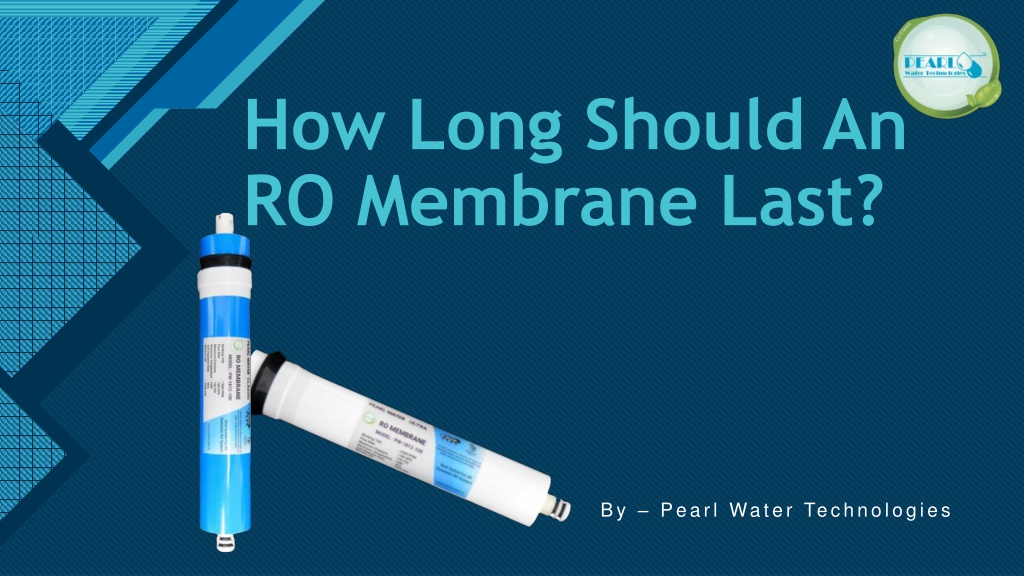 PPT - How Long Should An RO Membrane Last PowerPoint Presentation, free
The Cost-Benefit Win
Replacing an RO membrane costs between $30 and $80, depending on your system. That’s less than a nice dinner out—for years of pure, delicious water.
Compare that to buying bottled water, and you’re not just saving money; you’re saving the planet from plastic. Plus, your tea and coffee will taste so crisp you’ll feel like a barista, and your ice cubes will be crystal clear. Talk about a win-win!
An Upbeat Note to Leave You Smiling
So, how long does an RO membrane last? Long enough for you to stop worrying and start enjoying the best water of your life. It’s a little machine with a big heart, quietly working in your cabinet, day after day.
When you do finally swap it out in two or three years, you’ll feel like a total pro. And the best part? You’ll realize that taking care of something small—like a membrane—can make your whole day feel fresher. Here’s to crisp sips and endless curiosity—go learn what else your water filter can teach you!
