What Is The Ph Of Spring Water

Let’s be honest: how often do you pause before sipping that chic glass bottle of spring water to wonder what’s actually in it beyond the promise of purity? You’re not alone if...

Let’s be honest: how often do you pause before sipping that chic glass bottle of spring water to wonder what’s actually in it beyond the promise of purity? You’re not alone if you’ve seen those sleek labels boasting “pH balanced” and felt a tiny spark of curiosity. The truth is, the pH of spring water isn’t just a science-class relic; it’s a quiet character note in your daily hydration ritual.
The Short Answer: It’s Usually Just Right
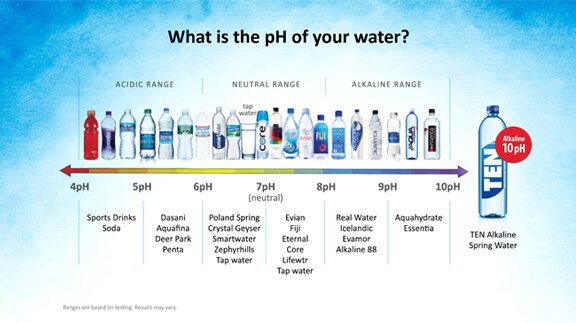
Most natural spring water clocks in with a pH between 6.5 and 8.5, a range that happens to be the sweet spot for what our bodies prefer. This isn’t a coincidence—it’s a geological handshake between rainfall and the minerals in the earth’s crust. Think of it as nature’s own Goldilocks zone, far from the acidic bite of a lemon (pH 2) and the aggressive alkalinity of bleach (pH 13).
But here’s where it gets fun: the exact number depends on where the water has been traveling. As it seeps through limestone, it picks up dissolved calcium, nudging the pH upward. If it lingers in areas with more granite, it tends to stay slightly more acidic. Your favorite brand might be a 7.2 from an Alpine spring, while another is a 7.8 from a volcanic aquifer in the Pacific Northwest.
Must Read
That subtle difference? It’s the water’s terroir—yes, just like wine. A low pH can hint at a crisp, sharp taste, while a higher pH often feels smoother, almost creamy. Next time you take a sip, pay attention. You might detect the very geography of the mountainside.
But Do You Actually Need to Care?
Here’s the unsexy, liberating truth: your body is an expert at pH regulation. Your stomach is a highly acidic pit of hydrochloric acid (pH ~1.5-3.5) designed to break down food, and your blood stays locked around a precise 7.4 no matter what you drink. Chugging “alkaline spring water” won’t turn your blood chemistry into a relaxing spa day.
However, the pH of your spring water does affect you in a few subtle, real-world ways. For one, slightly acidic water (below 7) can be more aggressive on metal pipes or coffee makers, potentially leaching trace minerals. If you’re a home-brew enthusiast, using water with a pH of 6.8 versus 8.2 can make your morning espresso taste noticeably more vibrant or flat.
There’s also the swallowing test. People with sensitive teeth or acid reflux sometimes find that water with a slightly higher pH (near 8) feels less sharp on the throat. It’s not a cure-all, but it’s a simple, pleasant adjustment—like slipping out of tight jeans into soft linen trousers.
 Spring Water Ph Level Chart
Little Known Facts That Make You Sound Smart
Ready for some bar trivia? Did you know that pure water (H₂O with nothing else) actually has a pH of 7.0, but it’s almost never found in nature? As soon as water touches air, it absorbs carbon dioxide and becomes slightly acidic—around a 5.5. That gentle rain falling on the mountains is already just a touch sour before it even meets the rocks.
Another gem: The word “pH” stands for potential of hydrogen, and each whole number change is a tenfold difference in acidity. So a pH of 6.0 is ten times more acidic than a 7.0. Yet, our taste buds can detect shifts as small as 0.1 on the scale. We’re walking, drinking pH detectors, and most of us never knew it.
And if you’re wondering about the famous brands: Evian sits around pH 7.2, Fiji water is known for a higher 7.5-7.8 thanks to volcanic rock, while some mountain spring waters from the Alps hover near 6.8. Each has a dedicated following, arguing over mouthfeel with the passion of wine connoisseurs.
Practical Tips for the Everyday Drinker
Don’t overthink it. Unless you’re on a specific medical diet (like managing kidney stones, where your doctor might advise a particular pH), just drink water that you enjoy drinking. A great, hydrating habit beats a perfectly pH-balanced one that you quit after a week.
 What Is The Ph Level Of Nestle Water
If you’re curious, you can buy a pack of inexpensive pH test strips online—they’re fun for a weekend experiment. Dip a strip into your tap water, then into your favorite spring water. You’ll see the color change. It’s like a science fair for your kitchen counter, and you’ll feel weirdly powerful.
Lastly, store your spring water away from direct sunlight. UV rays can trigger algae growth or plastic leaching, even in bottles. A cool, dark pantry keeps your water’s chemistry stable and its taste refreshing. Simple habits, big payoffs.
A Final Sip of Perspective
At the end of the day, the pH of spring water is a beautiful, minor detail—a tiny signature from the earth that touches your lips. It doesn’t define your health, but it reminds you that nature has been quietly balancing minerals and chemistry for millennia, long before we had test kits or fancy bottles.
So next time you unscrew that cap, take a moment to appreciate the journey: the rain that fell, the rocks it touched, the perfect, unassuming number that sits between 6.5 and 8.5. It’s not magic. It’s just water, doing what water does best—being exactly what we need, one sip at a time.
