What Is Coliform In Well Water

Let’s talk about your well water. It’s the unsung hero of your morning coffee, your garden hose, and that long, luxurious shower. But lurking in the shadows of your aquifer is...

Let’s talk about your well water. It’s the unsung hero of your morning coffee, your garden hose, and that long, luxurious shower. But lurking in the shadows of your aquifer is a tiny party crasher: coliform bacteria. Don’t panic—we’re going to unpack this like a casual Sunday brunch conversation.
The VIP Guest (That You Didn’t Invite)
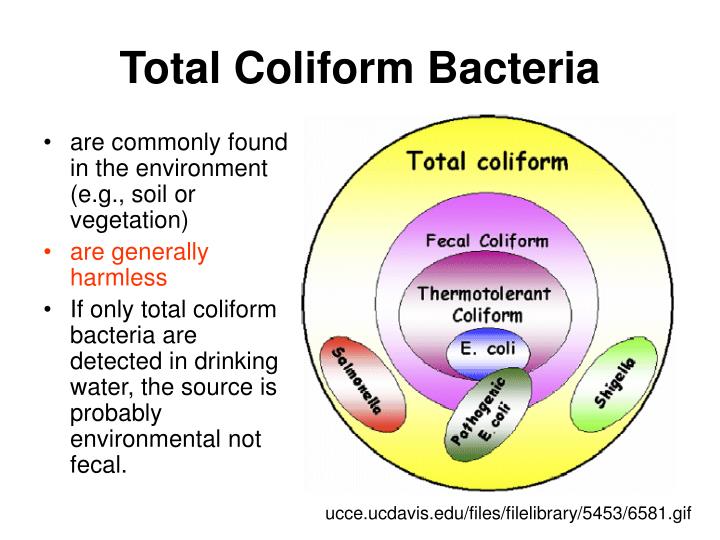
Coliform is a broad group of bacteria that naturally live in the environment—think soil, decaying plants, and animal intestines. Think of them as the distant cousins of E. coli. They aren’t always dangerous, but their presence in your well water is a red flag. It means your water supply has a direct line to surface contaminants.
Think of coliform as the doorbell of your water system. If it rings, something’s wrong with the lock. The real concern? Pathogenic bacteria like Salmonella or Shigella might be sneaking in next.
Must Read
How Did It Get In? (Blame the Weather, Not Your Neighbor)
Rain is a beautiful thing—until it washes cow manure, bird droppings, or your compost pile into a cracked well casing. Flooding is the number one culprit. A single heavy storm can turn your pristine aquifer into a bacterial house party.
Other suspects: a loose well cap, a broken seal, or even a nearby septic system that’s seen better days. Your well isn’t invincible. It’s basically a straw with a filter, and that filter can get damaged.
The “Do I Have It?” Quiz (Spoiler: You Can’t Taste It)
Coliform bacteria are invisible, odorless, and tasteless. Your water might look crystal-clear and still be hosting a bacterial rave. The only way to know is a lab test—not a home kit from the internet, not “it smells bad.”
Fun fact: The EPA recommends testing well water for coliform at least once a year. If you’ve had a flood, a septic system failure, or a new baby in the house, do it twice. Your toddler doesn’t need a science experiment in their sippy cup.
Pop Culture Connection: The “Jaws” of Well Water
Remember the scene in Jaws where Brody says, “We’re gonna need a bigger boat”? Coliform is your water’s dorsal fin. It’s a warning, not the shark itself. But ignoring it? That’s when the real problems emerge. Like a Jurassic Park fence that’s down—everything gets in.
 PPT - Water Quality: Fecal Coliform How is water quality affected by
In The Martian, Matt Damon tests his water for bacteria before hydrating. Be a Matt Damon. Test your water. It’s that simple.
What to Do If Coliform Shows Up
First, don’t scream. Coliform is treatable. The standard solution is shock chlorination—bleaching your well like a bleach-blonde pop star. You pour a calculated amount of chlorine down the well, let it circulate for 24 hours, then flush it out.
After that, retest. If the coliform is gone, you dodged a bullet. If it returns, you have a structural issue. A cracked casing, a bad seal, or a shallow well that’s too close to surface water. Call a licensed well driller. This is not a DIY project for YouTube heroes.
Practical tip: Invest in a UV filter. It’s like a tanning bed for your water—ultraviolet light zaps bacteria without chemicals. Pair it with a sediment filter, and you’ve got a Knight in Shining Armor for your faucet.
The “But I’ve Drunk This Water For Years” Argument
We hear it all the time. “Grandpa drank from this well for 80 years and he’s fine!” Grandpa also smoked unfiltered Camels and thought seatbelts were for wimps. Your immune system isn’t a 1920s farmhand. Modern pathogens are evolving. And so should your water hygiene.
Fun fact: Coliform bacteria can survive for weeks in cold water. That crisp, refreshing glass from your tap? It’s a potential incubation chamber. Test it before you toast it.
 Coliform In Well Water – Coliform Bacteria in Drinking Water Supplies
Lifestyle Hack: Turn Testing Into a Dinner Party
Okay, that’s a stretch. But you can make well water testing a ritual. Every spring, before the gardening season, order a basic bacteria test kit. Most local health departments offer them for under $50. Drop the sample in a sterile bottle, mail it off, and in three days you have peace of mind.
Make it a mini-event: put on your favorite podcast, sip some store-bought spring water (ironic, we know), and pretend you’re a water sommelier. You’re not testing wine. You’re testing life.
The Wild Card: Total Coliform vs. Fecal Coliform
Not all coliform is created equal. Total coliform is the broad category. Fecal coliform (like E. coli) is the scary one—it means the contamination came from warm-blooded animal or human waste. If you test positive for fecal coliform, boil your water immediately and call a pro. It’s a red alert, not a false alarm.
A culture reference: Remember the Contagion scene where Gwyneth Paltrow’s character gets infected? That’s what fecal contamination can feel like, but less dramatic and more “upset stomach for a week.” Avoid it.
A Short Reflection for Your Morning Routine
The next time you fill your glass from the tap, pause. That water has traveled through earth, rock, and time. It’s pure potential. But like any good relationship, it needs boundaries. A test is not paranoia; it’s respect. You’re not just drinking water—you’re drinking your home’s health.
So raise your glass (after you test it). Let it be cool, clear, and free of tiny party crashers. Your morning ritual deserves that. And so do you.
