How To Check For Lead In Water

So, you’re standing in your kitchen, glass of water in hand, and a tiny thought sneaks in: “Is there lead in this?” Don’t panic. You’re not alone, and checking for it is way e...

So, you’re standing in your kitchen, glass of water in hand, and a tiny thought sneaks in: “Is there lead in this?” Don’t panic. You’re not alone, and checking for it is way easier than you think.
Lead in water is kind of like a ninja—invisible, tasteless, and odorless. But unlike cool ninjas, this one can mess with your brain and body, especially for kids. The good news? You can bust this myth with a few simple steps.
Why Should You Even Care?
Lead usually sneaks into water through old pipes or brass fixtures. If your home was built before 1986, it’s worth a curious glance. Think of it like a vintage car: charming on the outside, but the engine might be rusty.
Must Read
The cool part is that learning about your water quality is like a little detective game. You’re not just checking for lead; you’re understanding your home’s history, one drop at a time. Plus, it’s oddly satisfying to say, “Yep, my water is clear—literally and figuratively.”
Method #1: The Home Test Kit (Your New Bestie)
Head to your local hardware store or order a home lead test kit online. These cost about $10 to $20—less than a fancy pizza, and way smarter. You’ll get little strips or vials that change color if lead is present.
Grab a glass of water, dip the strip in, and wait a few minutes. It’s like a chemistry experiment from high school, but with way less anxiety. If the strip turns red or pink, bingo—you’ve got a lead clue.
Pro tip: Test cold water that’s been sitting in the pipe for at least 6 hours. Morning water is perfect, like that first sip of coffee—but we’re testing, not drinking.
Method #2: Call in the Pros (Fancy Lab Style)
If you want the gold standard, order a certified water testing kit from your state’s health department. It’s like sending your water on a mini vacation to a lab. They’ll mail you a bottle, you fill it, and ship it back.
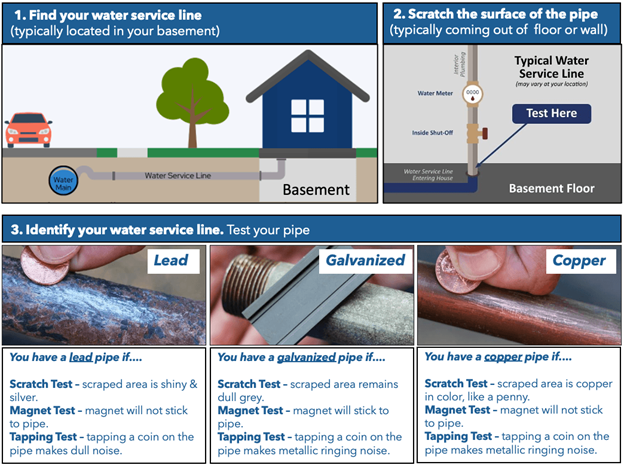 Lead Awareness - What you need to know and how to check your service
Results usually come in a week or two, and they’re super accurate. The cost? Around $20 to $50—still less than a dinner out. And you get a fancy report that makes you feel like a water scientist.
One fun comparison: it’s like a DNA test for your tap. You’ll know exactly what’s in there, from lead to copper to weird bacteria. Who knew drinking water could be so dramatic?
What If Lead Shows Up? (Don’t Freak Out)
First, remember: a little bit of lead isn’t the end of the world. But it’s smart to act. Run your tap for 1-2 minutes before drinking—especially if water has been sitting overnight. That flushes out the stale, leady bits.
You can also install a certified lead-removing filter. Some pitchers or faucet attachments do the trick, and they look kinda futuristic. It’s like giving your water a tiny spa treatment.
For serious cases, replacing old pipes is the ultimate fix. But hey, that’s a bigger project—like remodeling your kitchen, but only the plumbing part. Baby steps, right?
 How to Detect Lead in Water (with Pictures) - wikiHow Life
A Weird But Cool History Lesson
Did you know ancient Romans used lead pipes and sweetened their wine with lead syrup? Yes, really. It made them crazy, and eventually, sick. We’ve learned a lot since then—thankfully, we have test kits now.
So, checking for lead isn’t just smart; it’s a tiny rebellion against past mistakes. You’re basically a time-traveler saying, “Nope, not today, ancient plumbing.” That’s pretty epic.
The Bottom Line (No Scare Tactics)
Water is supposed to be refreshing, not a mystery novel. A quick test gives you peace of mind—and that’s priceless. You don’t need to be a chemist or a plumber. Just a curious human with a glass.
So grab a kit, channel your inner investigator, and give your tap a little check-up. It’s cool to know what’s in your glass. And honestly, you’ll sleep better knowing your water is as pure as it looks.
Go ahead—be the hero your kitchen deserves. Your water will thank you (silently, in H₂O).
