How To Repair A Water Softener

So, your water softener has decided to go on strike. It’s probably grumbling, flashing a weird error code, or just dumping salt all over your floor like a salty toddler. Don’t...
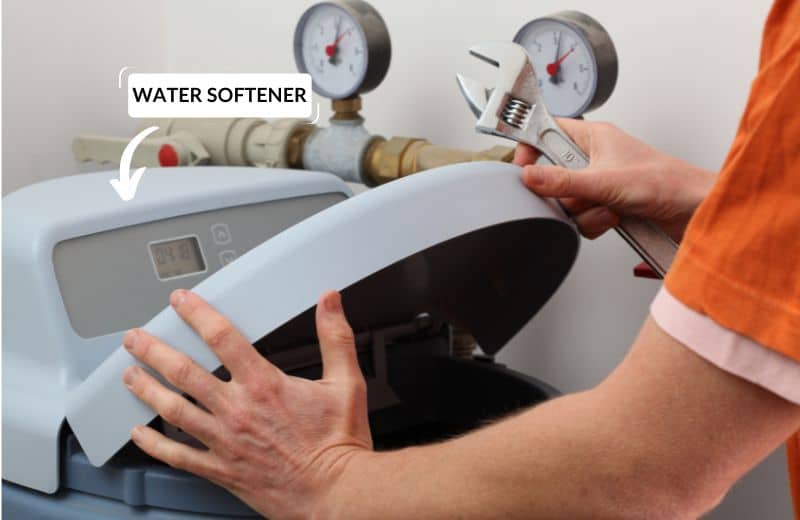
So, your water softener has decided to go on strike. It’s probably grumbling, flashing a weird error code, or just dumping salt all over your floor like a salty toddler. Don’t panic! Before you call a plumber and empty your wallet, let’s fix this together.
I promise, this isn’t brain surgery. Most water softener repairs are actually super simple and involve things you can do with a bucket and a flashlight. Think of me as your wise, slightly sarcastic guide who’s been there and has the salt-stained pants to prove it.
First, unplug the unit or flip the breaker. We want to fix it, not electrocute ourselves. Safety first, jokes second—but we’re doing both.
Must Read
The Usual Suspects: No Soft Water
Your water feels hard again? That’s like your coffee going cold right when you take a sip. The most common culprit is a clogged or broken bypass valve.
Check if the bypass handle is accidentally in “bypass” mode. It happens. Just twist it back to “service” and feel your newfound power. If the handle is stuck, spray some WD-40 on it and wiggle it gently. Yes, you’re basically performing emergency snake charming on a valve.
Another prime suspect: no salt in the brine tank. This sounds dumb, but we all forget to refill the salt sometimes. Open the lid, and if you see a dry, sad, empty tank, go grab a bag of water softener salt. Don’t use table salt, unless you want your water to taste like a pretzel.
The Salt Bridge (A.K.A. The Salt Crust Monster)
Sometimes, the salt forms a hard, crusty bridge inside the tank. It looks like a giant salt cookie. This prevents the brine solution from forming, which means no soft water.
Take a broom handle or a long, blunt object and gently poke the salt mound. If you feel a hollow spot underneath, you’ve found a salt bridge. Break it up carefully. Don’t go full Thor with your hammer; you might puncture the tank and then you’ll have a salty swimming pool in your basement.
After you break it, scoop out any loose chunks and add fresh salt. Problem solved. You’re basically a salt archaeologist now. Congratulations.
The “Beeping or Blinking” Disaster
Your control panel is flashing like a disco from the 80s. Usually, this means a power outage has scrambled its tiny brain. Simply unplug the unit for 30 seconds, then plug it back in.
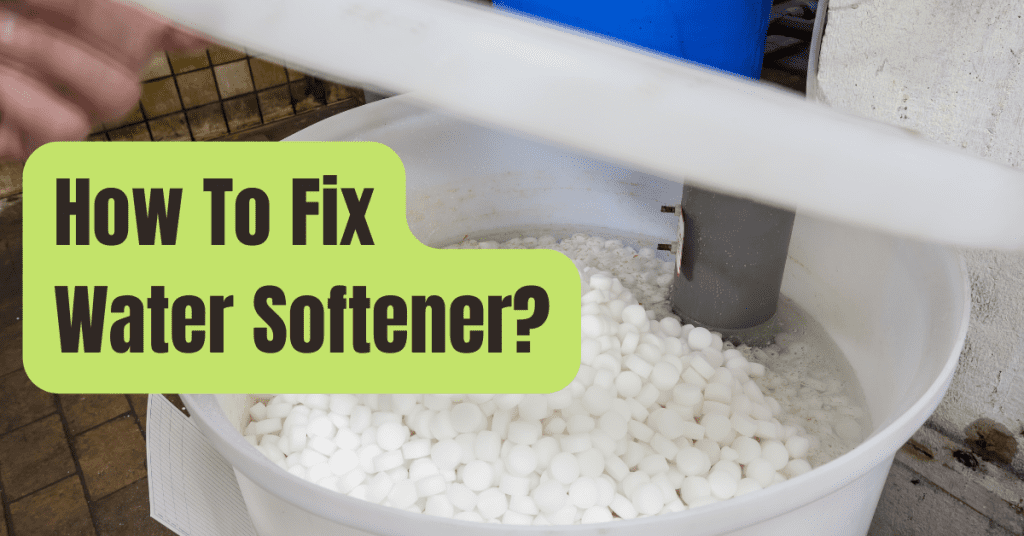 How To Fix Water Softener - RVing Beginner
If it still blinks, check the error code in the manual. Most codes mean “low salt” or “motor jammed.” Don’t call me yet—Google the code first. You’d be surprised how many fixes are just “push the reset button three times while hopping on one foot.” (I’m kidding about the hopping, but not about the reset button.)
If the motor is jammed, you can often manually rotate the rotor inside the control head. Unplug the unit, look for a gear or slot, and turn it gently with a screwdriver. It’s like giving your softener a tiny, mechanical massage.
Leaks! Water Everywhere!
Oh no, a puddle. Don’t scream. First, check the drain line. It might be kinked or pinched behind the unit. Unkink it, and if it’s cracked, replace it with a new section of 1/2-inch tubing from the hardware store. Cheap fix.
If the leak is coming from the brine tank, it’s probably a loose fitting. Tighten it with pliers—gently, like you’re holding a baby bird. Over-tightening can crack plastic, and then you’ll be crying and mopping.
Still leaking? It might be the float valve inside the brine tank. That little plastic float can get stuck. Pull it up and down a few times to free it. If it’s broken, you can buy a replacement for five bucks. Five bucks! That’s cheaper than a fancy coffee, and your floor stays dry.
The “It’s Just Old” Blues
Sometimes, the resin beads inside the mineral tank wear out after 10–15 years. They look like tiny, sad yellow pearls. Replacing them is a bit of a chore, but you can do it.
You’ll need to buy a bag of cation-exchange resin at a plumbing supply store. Drain the tank, dump the old beads (they’re not recyclable, unfortunately), and pour in the new ones. It’s like giving your softener a fresh set of teeth.
If you’re squeamish about handling wet beads, just pay a pro. But honestly, it’s messy, not hard. Wear gloves. You’ll feel like a mad scientist for an afternoon.
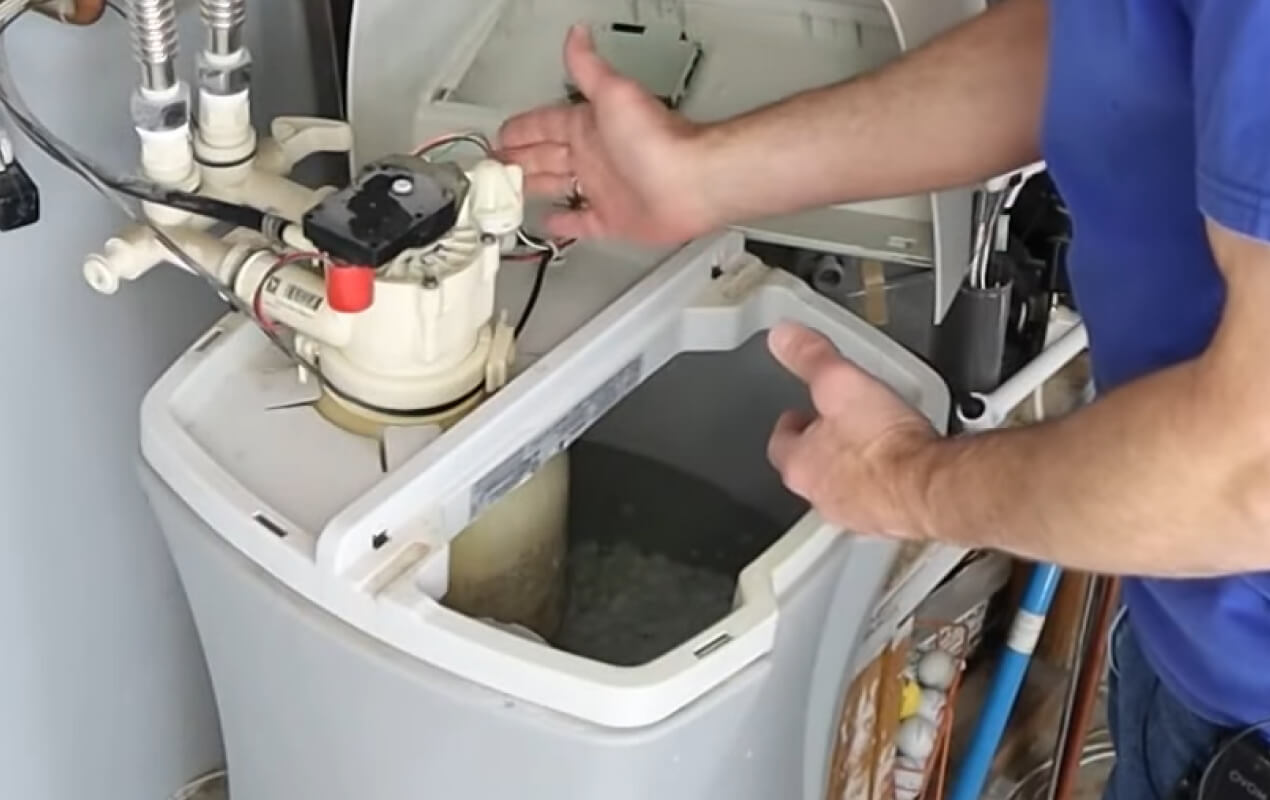 Same-Day Water Softener Repair in London by Licensed Experts
The Motor and Timer
If your unit makes a grinding noise during regeneration, the motor might be dying. That’s a bit more advanced, but not impossible. You can remove the control head and swap the motor yourself, using YouTube tutorials as your trusty sidekick.
Check the timer wheel for cracks or worn gears. Sometimes, a $10 gear replacement fixes everything. Seriously, look up your model number on Amazon and see if a little plastic gear is available. It’s like finding a missing puzzle piece.
And remember: if your softener is older than your high school love life, maybe it’s time to retire it. A new unit costs a few hundred bucks, but it comes with a warranty and a fresh start.
When to Call a Pro (And Not Feel Bad)
If you’ve tried everything and the unit is still acting up, don’t be a hero. Sometimes a plumber is the right answer. Especially if you smell gas (not gas, but like, rotten eggs from the drain) or if water is spraying like a fountain.
But for most water softener problems—clogs, leaks, salt bridges, or weird lighting—you can totally handle it. You’re now armed with knowledge, a broom handle, and a good attitude.
Remember, the worst that can happen is you get a little wet and salty. And let’s be honest, that’s basically a free spa day for your hands.
Uplifting Conclusion
Look at you! You just saved yourself a repair bill, learned a new skill, and probably cursed at a machine in the process. That’s adulting done right. You’ve conquered the salt bridge, tamed the bypass valve, and faced the motor like a warrior. Your water is now soft, your skin is grateful, and your dishes sparkle.
So go ahead—pour yourself a glass of that silky, delicious water. You earned it. And if your softener breaks again tomorrow? No sweat. You know exactly what to do. You’ve got this.
