How To Check The Water Quality

So, you’re staring at a glass of water, wondering if it’s friend or foe. Maybe it tastes a little off, or smells like a swimming pool decided to move in. Don’t worry—I’ve been...
So, you’re staring at a glass of water, wondering if it’s friend or foe. Maybe it tastes a little off, or smells like a swimming pool decided to move in. Don’t worry—I’ve been there, and we’re going to fix this together.
First, trust your senses (they’re not silly)
Your nose and tongue are actually pretty smart. If the water smells like bleach or rotten eggs, that’s a giant red flag waving at you.
Give it a tiny sip—just a sip, not a gulp. If it tastes metallic, bitter, or like dirt, spit it out and listen to your gut.
Must Read
Now, let’s play detective with a glass jar
Grab a clean, clear glass jar (a mason jar works perfectly). Fill it up, hold it to the light, and look for floating particles or weird colors.
Cloudy water? That could be sediment or tiny air bubbles. Brown or orange? Might be rust or iron—and no, that’s not fancy mineral water.
The smell test upgrade: the hot water trick
Heat a cup of tap water in the microwave—just until it’s warm, not boiling. Now take a cautious sniff.
If the steamed air smells like sulfur, it’s probably hydrogen sulfide (hello, rotten egg party). If it smells like gas or chemicals, that’s a big neon sign to call a pro.
But wait—what if your water tastes like a swimming pool?
That’s chlorine, and it’s common in city water. A cheap test strip (you can buy them online for a few bucks) will tell you the ppm (parts per million).
Safe levels are usually under 4 ppm. If it’s higher, let it sit in an open pitcher for an hour—the chlorine will evaporate like magic.
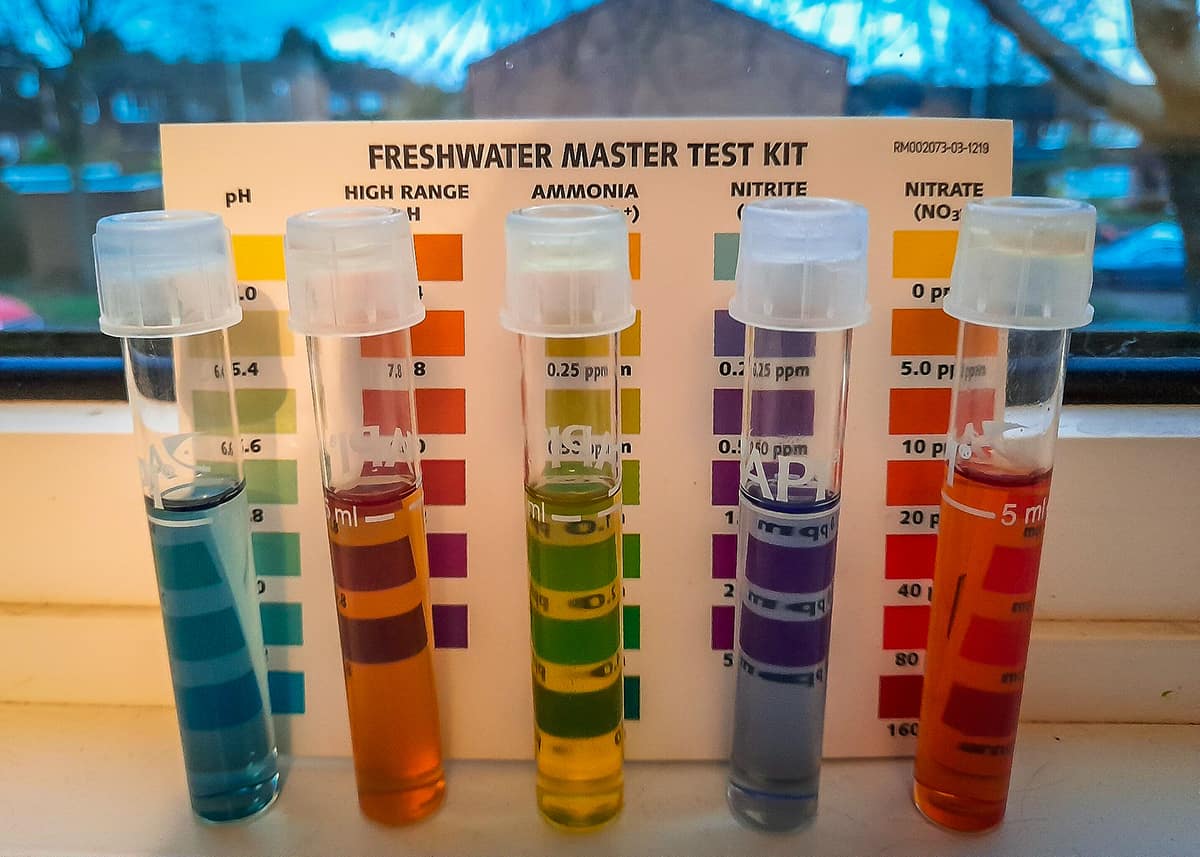
The science-y stuff: test kits are your best friend
You don’t need a lab coat. Grab a home water quality test kit from any hardware or big-box store. They cost about $10 to $30 and are stupidly easy to use.
 Different Ways To Test Water Quality at Jeremiah Jobe blog
You dip a strip in water, wait 30 seconds, and compare the colors to a chart. It tests pH, chlorine, hardness, nitrates, and more—like a mood ring for your faucet.
Rhetorical question time: Isn’t it weird that the water you drink can have a “mood”? Yeah, I thought so too.
What about bacteria? That’s the scary one
Basic strips don’t test for bacteria (like E. coli). For that, you need a bacteria test kit—it’s a little vial you mail to a lab. Gross, but worth it if you’re on well water.
If you’re on city water, the utility already tests for bacteria. But if you have a private well, do this test every year. Trust me, your stomach will thank you later.
The low-tech taste test: the “pancake” method
Okay, this isn’t about making pancakes (though I’m hungry now). Pour a glass of tap water and a glass of filtered water (if you have it).
Blindfold yourself—or just close your eyes—and sip each one. Can you tell the difference? Your tongue is a better filter than you think.
Pro tip: If you gasp and spit, it’s bad. If you think, “Huh, that’s not bad,” you’re probably fine.
 Water Quality Testing Adelaide at Joseph Florence blog
The final boss: the TDS meter (fancy, but fun)
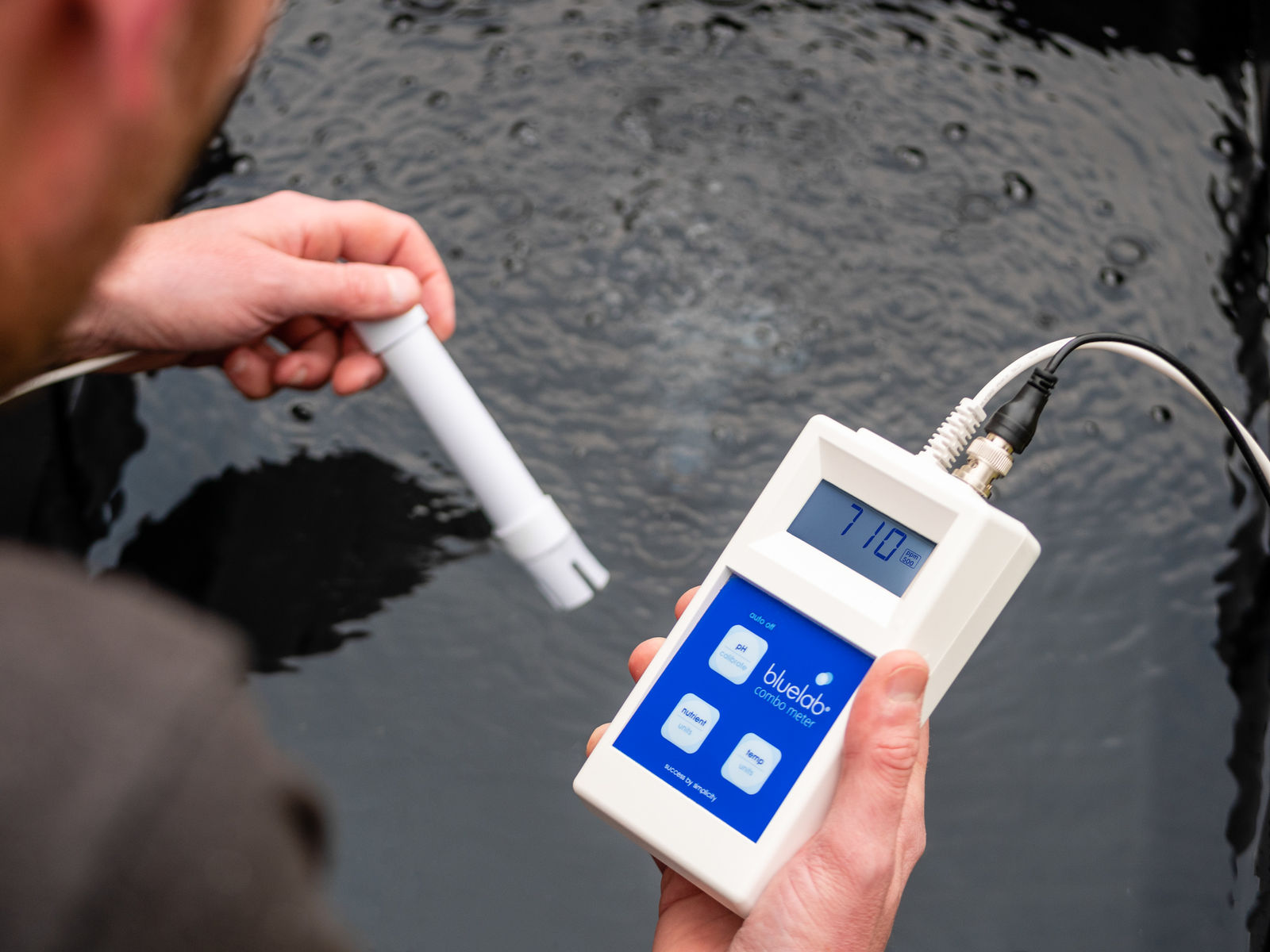
TDS stands for total dissolved solids—basically all the gunk (minerals, metals, salts) floating invisibly in your water. A TDS meter is a little pen-shaped gadget (around $15 on Amazon).
Stick it in a glass of water. Under 50 TDS? That’s pure, spring-like water. Over 500? Your water has more personality than a soap opera.
I tested mine once and got 120. I felt like a proud water parent.
Don’t forget to check the source
If you’re on a well, test for nitrates and pesticides every spring (especially after heavy rain). If you’re on city water, grab their annual water quality report online—it’s free and full of jargon you can actually understand with a little Googling.
Here’s the secret: You don’t need a PhD to know if your water is safe. A simple test, your own senses, and a dash of curiosity are all it takes.
So go ahead—grab a glass, give it a sniff, and maybe buy a test strip. Your water’s been waiting for you to get to know it.
And if you find out it’s awful? Well, now you know what to fix. Cheers to not drinking rusty mystery juice.
