How To Choose A Water Softener

So, you’ve finally noticed the white flakes on your dishes that look like tiny, angry snowflakes. Or maybe your hair feels like straw after a shower, and your pipes are making...
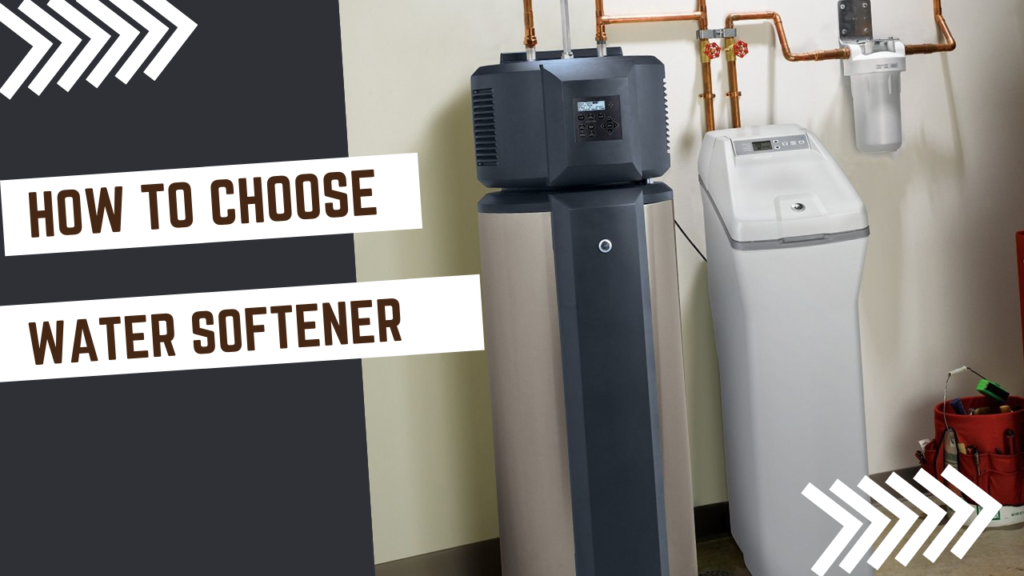
So, you’ve finally noticed the white flakes on your dishes that look like tiny, angry snowflakes. Or maybe your hair feels like straw after a shower, and your pipes are making noises like a dying robot. Welcome, friend, to the hard water club—where the water is too hard to handle, and your faucets have more crust than a good sourdough. Choosing a water softener shouldn’t feel like assembling IKEA furniture without instructions, but here we are.
Let’s start with the villain: hard water. It’s just water packed with calcium and magnesium, which sounds healthy until it coats your showerhead in what looks like fossilized toothpaste. Surprising fact: hard water can actually increase your soap usage by up to 50% because the minerals fight your shampoo for supremacy. You’re basically paying extra to battle geology in your own bathroom.
Step One: Know Your Foe (The Hardness Level)
Before you buy anything, you need to know how hard your water is. I’m talking a number, measured in grains per gallon (GPG). You can order a test kit online for pocket change, or just call your local water utility—they’ll usually tell you for free if you don’t sound too creepy. If your water is under 3 GPG, congratulations, you’re basically a rain forest. Above 10 GPG? That’s “why is my coffee crunchy?” territory.
Must Read
One guy I know tested his water and it came back at 30 GPG. He joked it was harder than a calculus exam. Actually, he didn’t joke—he cried. But the point is, knowing your number saves you from buying a unit designed for a delicate toothbrush when you need one for a fire hose. Don’t guess; test.
Step Two: The Big Decision—Salt or No Salt
Here comes the fork in the road: ion-exchange (salt-based) versus salt-free (which is actually a conditioner, not a softener, but let’s not split hairs). Salt-based softeners use sodium to swap places with calcium, banishing the bad guys to a brine tank. They’re powerful and proven, like a tiny chemistry set in your basement that also requires you to haul 40-pound bags of salt every month. Your arms will get stronger, your water will get softer. Win-win?
Salt-free systems, on the other hand, don’t remove minerals—they crystallize them so they won’t stick to pipes. They’re low-maintenance, but they won’t make your water feel as slippery as a dolphin. Joke alert: I tried a salt-free system once, and my hair still looked like I’d been electrocuted by a toaster. However, if you’re on a sodium-restricted diet or you just hate lugging salt bags, salt-free might be your guy.
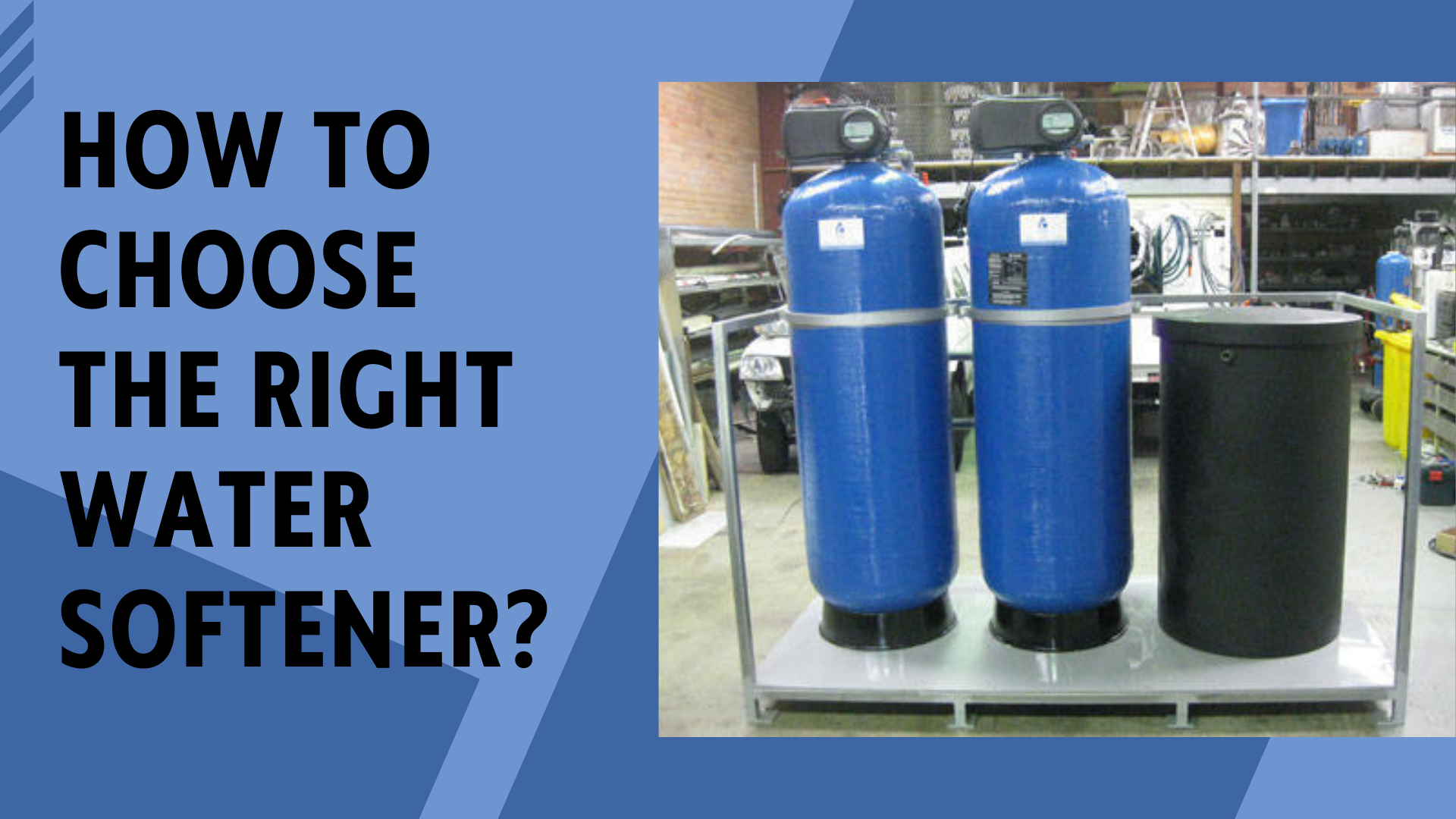 How to Choose the Right Water Softener? (Fulfill Needs) - CharlieTrotters
The Sneaky Metric: Flow Rate
Every softener has a flow rate, measured in gallons per minute (GPM). If you buy a unit with a flow rate lower than your home’s peak demand, you’ll get a trickle when you flush two toilets and turn on the shower. Exaggeration alert: I once visited a friend whose softener was so undersized, his morning shower was just a sad drip that took 40 minutes to wet his left shoulder. Don’t be that friend.
For a typical house, look for a system that handles at least 10-12 GPM. If you have a mansion with five bathrooms and a jacuzzi that seats a football team, bump it up. Also, check the grain capacity—that’s the amount of hardness it can remove before regenerating. Bigger families need more grain capacity, unless you enjoy waking up to a softener that’s cursing you in binary.
Step Three: Regeneration—Timed or On-Demand?
Old-school softeners regenerate on a timer, like a bad alarm clock that screams at 2 AM to dump 50 gallons of brine water. Modern units use demand-initiated regeneration, meaning they only flush when they’ve actually removed enough minerals to earn a break. This saves water, salt, and your sanity—no more 3 AM gurgling noises that sound like a zombie gargling marbles.
I once owned a timer-based unit, and it regenerated on the night I had a houseguest. He screamed, thinking a bear was in the basement. The next morning, I found him sleeping in his car. Lesson: spend the extra few dollars for a demand system. Your guests will thank you.
 How To Choose Water Softener – Definitive Guide To Water Softeners [All
The Little Things: Certifications and Warranty
Look for the NSF/ANSI 44 certification; it’s the gold standard, not some sticker from a cereal box. A good warranty covers the tank for 10 years and the valve for 5. If the warranty is shorter than a typical gym membership, run away. Also, consider the brand—big names like Fleck or Clack have parts everywhere, while no-name brands might leave you Googling “Where to buy replacement seals for a water dragon 3000.”
Step Four: Installation—DIY or D-Day?
You can install a softener yourself if you’re handy with PVC, don’t mind crawling under sinks, and enjoy the smell of primer. If you’re like me and your tool expertise maxes out at “I can change a lightbulb,” hire a pro. The cost is usually less than the price of flooding your basement and explaining to your spouse why the water heater now has its own fish tank.
Surprising fact: some cities actually ban salt-based softeners because of the brine discharge. Check local laws before you buy—otherwise, you might become the neighborhood’s water outlaw, which sounds cool but isn’t. I once heard of a guy in California who had to pay a $500 fine because his softener was illegally salting the county’s water supply. He now just showers in bottled water, and his wife left him.
The Final Rinse
Choosing a water softener boils down to: know your hardness, pick your style (salt vs. no salt), match the flow and grain capacity, and don’t be cheap on the timer. It’s not rocket science—it’s just plumbing with a personality. And remember, once you have soft water, your skin will feel like silk, your pipes will quit moaning, and your coffee will taste like it was meant to. Just don’t forget to buy salt. Or, you know, hire someone who doesn’t sleep in cars.
