Why Do Waters Taste Different

Ever taken a sip of water at a friend’s house and thought, “Whoa, this tastes like a swimming pool and a rock had a baby”? You’re not alone. Water isn’t just water—it’s a snea...
Ever taken a sip of water at a friend’s house and thought, “Whoa, this tastes like a swimming pool and a rock had a baby”? You’re not alone. Water isn’t just water—it’s a sneaky little chameleon that changes flavor based on where it’s been. Let’s dive into this wet and wild mystery, no lab coat required.
The Invisible Recipe: What’s Actually in Your Glass?
First, let’s talk about the secret ingredients. Pure water is just H₂O, but nobody drinks pure water unless they’re in a science lab. The stuff from your tap is a cocktail of minerals, gases, and tiny particles that hitch a ride from the ground or pipes.
Calcium and magnesium are the big stars—they make water taste “hard” or “soft.” Hard water (lots of these minerals) feels heavy and chalky, like chewing a Tums. Soft water? It’s almost silky, like a polite whisper on your tongue. Think of it as water’s fingerprint: unique to your zip code.
Must Read
Your taste buds are just detecting dissolved solids. That’s why a mountain spring tastes crisp and clean, while tap water in a city might taste like a spoonful of sidewalk dust. It’s not magic—it’s chemistry, but way less boring than high school class.
Why Does Bottled Water Taste Different from Tap?
Bottled water companies love to brag about “purity” and “source.” But here’s a little secret: brands often add minerals back in just for flavor. That’s why Dasani tastes flat and lifeless, while Evian tastes like a cool spring day—because Evian actually is from a spring, and Dasani is basically filtered tap water with added minerals for “body.” Yes, water has a body now. Move over, yoga pants.
Plastic bottles also mess with the taste. Leave a bottle in a hot car for an hour, and suddenly you’re sipping “eau de plastic” with a hint of regret. Glass or metal bottles keep water neutral—no unwanted flavor cameos. Pro tip: if your water tastes like your gym bag, it might be the bottle, not the source.
The Pipe’s Secret Life: Mystery Flavors in Your Home
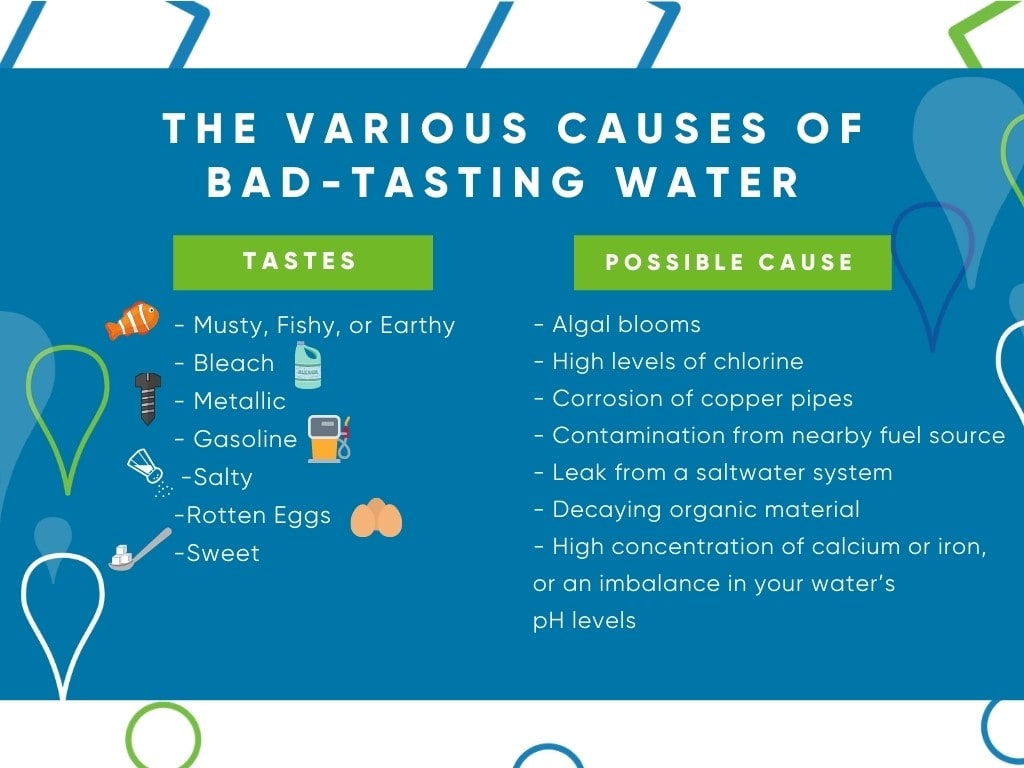
Your home’s plumbing is like a flavor factory. Old copper pipes? You might get a metallic, penny-like taste. Plastic pipes? A faint, weird sweetness. And if your water smells like rotten eggs, that’s sulfur from bacteria in the drain—not a science experiment gone wrong, just your pipes being dramatic.
Then there’s chlorine, the unsung hero of water safety. It kills germs, but it also makes water taste like a public pool. Leave your water in the fridge for a few hours, and the chlorine evaporates away. Boom—instant flavor upgrade. You’re basically a water sommelier now.
 Why Marietta’s Tap Water Tastes Different Right Now | Marietta.com
Temperature matters too. Cold water numbs your taste buds, so it tastes neutral. Room-temperature water? That’s where the real flavor show begins. Warm tap water can taste like hot, sad metal. Drink it cold unless you’re feeling adventurous.
Why Does Water from Different Cities Taste So Weirdly Unique?
Travel across the country, and every city’s water has a personality. New York City water is famous for being soft and delicious—it comes from reservoirs in the Catskills, high up and pure. Los Angeles water? It’s a tough, recycled blend from the Colorado River and aquifers. It tastes like the gritty will of a desert city trying to survive.
Ever been to a place where the water tastes like cheap toothpaste? That’s likely fluoride added for dental health. Some people swear it ruins the taste. Others just brush their teeth with it and move on. The point is: your water’s identity is a mix of geography, treatment, and ancient geology. It’s basically Earth’s tea, and the recipe varies.
Even the same brand of bottled water tastes different depending on where it’s bottled. Fiji Water goes from a tropical island to your lips—but if it sits too long, it can pick up a hint of cardboard. That’s not the water’s fault; it’s the package being needy.
The Mind Plays Tricks (It’s Not Just Your Mouth)
Here’s the weirdest part: your brain filters the taste. If you think a glass of water is from a pristine mountain stream, it’ll taste better than if you think it came from a muddy puddle. Studies show people rate the same water differently based on the label or the glass it’s served in. Fancy cups = fancy taste. Science says so, and so does my self-esteem.
 Why Does Boiled Water Taste Different? Is It Safe? | H2O Global News
Your memory also meddles. That water you drank at your grandma’s house in 1995? It tasted “better” because you were happy and eating cookies. The water didn’t change—your mood did. Water is a flavor chameleon, but it’s also a mirror of your emotions. Deep, right?
So next time someone says, “This water tastes weird,” you can nod wisely and say, “Probably the mineral profile and your childhood trauma.” They’ll think you’re a genius. Or weird. Win-win.
How to Make Your Own Water Taste Amazing (No Fuss)
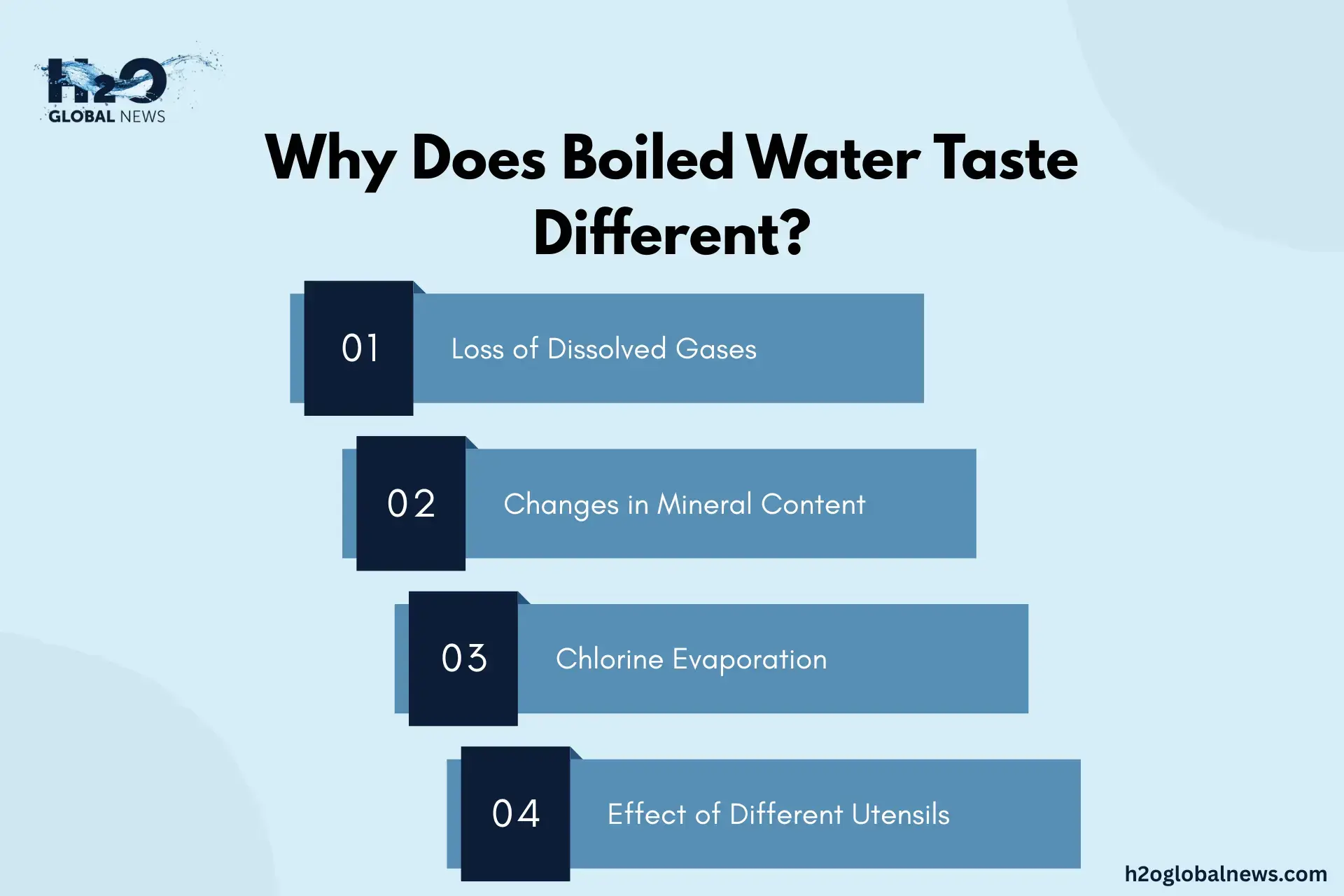
Don’t like your tap water? Filter it. A simple pitcher filter removes chlorine, some minerals, and the “ick” factor. Add a lemon slice or a cucumber wheel, and suddenly you’re a spa influencer. You can even let it sit overnight—this “decanting” trick lets gases escape, making the water smoother. Boom, you’re fancy.
Carbonated water is another beast. The fizz comes from carbon dioxide, which forms carbonic acid. That’s why it tastes slightly tangy—like a tiny, harmless sour punch. Some brands add salt or minerals to balance it out. Try a few until you find one that doesn’t taste like “TV static in liquid form.”
And remember: your taste buds are not broken. Water differences are real, valid, and sometimes hilarious. The next time you travel, do a taste test. It’s a free, weird hobby that requires no special equipment—just a mouth and an opinion.
Here’s the uplifting truth: The way water tastes is a story about where it’s been. It’s a sip of ancient rain, filtered through rocks, pipes, and time. Every glass is a tiny, fleeting landmark of your journey—a memory of a summer kitchen, a cold hotel sink, or a friend’s laughing face. So take a long, loud gulp. Embrace the chalky clash, the metallic zing, the silly plastic aftertaste. Because no matter what flavor your water decides to be today, you are uniquely, perfectly hydrated. And that, my friend, is a beautiful thing. Cheers!
