Why Is My Tap Water Yellowish

So, you turn on the faucet, expecting a crystal-clear stream, and instead—bam!—you’re greeted by water that looks like weak iced tea. What gives? Is your plumbing staging a re...
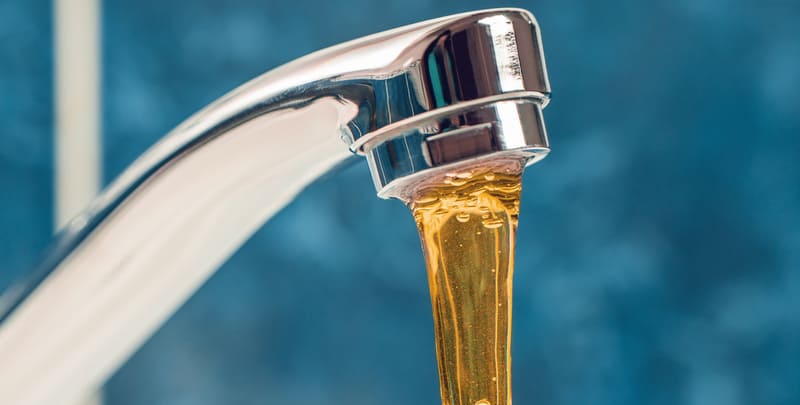
So, you turn on the faucet, expecting a crystal-clear stream, and instead—bam!—you’re greeted by water that looks like weak iced tea. What gives? Is your plumbing staging a rebellion, or is the Earth just showing off its mineral collection?
First, take a breath. Yellowish tap water is usually not a crisis. In fact, it’s often just a cool little conversation between your pipes and the local water supply. Think of it like a mood ring for your H2O.
The Classic Suspect: Mineral Mosh Pit
Your water runs through underground aquifers and old pipes, picking up souvenirs along the way. Iron and manganese are the most common hitchhikers. When these minerals get stirred up—say, after the city flushes fire hydrants—they oxidize and turn that lovely rust-orange hue.
Must Read
Ever seen a slick, oily rainbow on a puddle? That’s iron in action. Your tap water is basically throwing a tiny, harmless disco, but with way less glitter.
It’s Like a Tea Party for Your Pipes
Imagine your water as a lazy tea bag, slowly steeping in a mineral bath. The longer it sits in older metal pipes, the more color it pulls out. This is especially common if you live in an older home or neighborhood with galvanized steel or cast-iron pipes.
Do you notice the yellow hue mostly from the hot water tap? That’s a clue! Hot water dissolves minerals faster, so your water heater might be acting like a slow-cooker for metallic flavor.
The City’s Secret: A Little Spring Cleaning
Sometimes, the color isn’t from your home at all. Your local water utility might be flushing the main lines to clear out sediment. It’s like when you shake a dusty rug—everything gets stirred up for a moment before settling down.
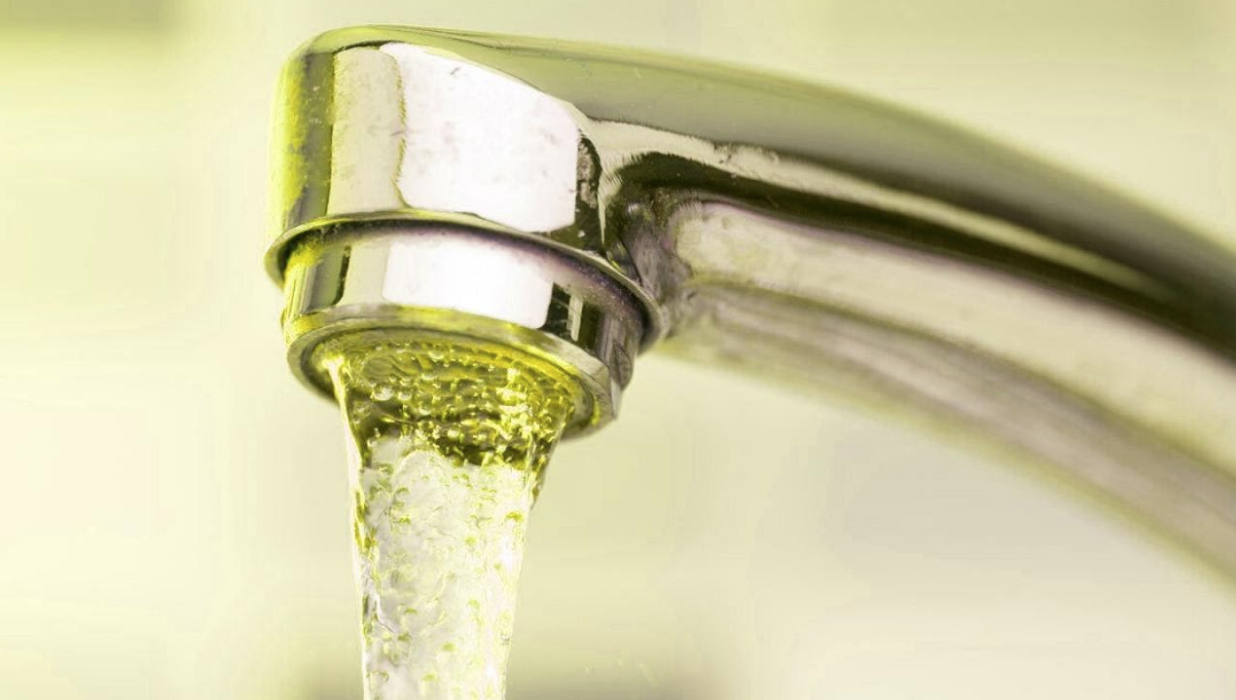 Water Yellow Tint
This usually happens once or twice a year, and it’s totally temporary. You can check your city’s website or social media; they often post alerts like, “Hey, expect Funky Water Wednesday!”
But Is It Safe to Drink?
Here’s the reassuring part: Yellow water is generally safe. It might taste a little metallic or look unappetizing, but it’s not the same as sewage or chemical waste. Think of it like eating a slightly bruised apple—still fine, just not pretty.
If you’re really nervous, let the cold tap run for a few minutes. That flushes out any stagnant water that’s been sitting in pipes overnight. You’d do the same for a stale cup of coffee, right?
The One Time to Worry: When It’s Brown or Murky
Now, I’m not saying every shade of yellow is a party. If your water is dark brown, muddy, or smells like rotten eggs, that’s a different story. That could mean a burst pipe, bacterial growth, or issues with your well.
But a pale to medium yellow? That’s just nature and infrastructure doing their funky dance. You can even use it to water your plants—they might appreciate the extra minerals! (Just don’t water your indoor ferns with rust-colored water; they’re divas.)
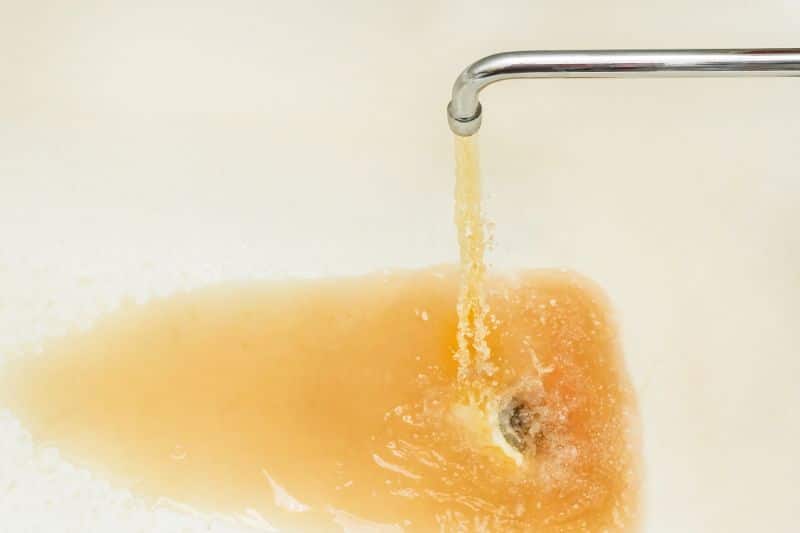 Why is My Water Yellow? What Can I Do to Fix It?
A Quick Science Trick: The Color Test
Fill a clear glass with your yellow tap water and hold it up to the light. Does it look clear with a tint, or cloudy? If it’s clear, the color is probably dissolved minerals—completely fine. Cloudy means tiny air bubbles, also fine.
If the water is both yellow and cloudy, it might be sediment settling. Let the glass sit for an hour. If the color sinks to the bottom, you’ve got particles you can filter out with a simple Brita.
Embrace the Weirdness (Or Filter It Out)
So, the next time your tap water looks like a weak amber ale, don’t panic. It’s not a plumbing poltergeist or a chemistry mishap—it’s just water being water, picking up a story from the ground and the pipes it traveled through.
You can always fix the color with a carbon filter or a simple water softener. But honestly? A little yellow is kind of a cool reminder that your water didn’t just magically appear. It journeyed through rock, metal, and time to reach your glass.
And isn’t that a little bit amazing? Now go ahead, pour yourself a glass—weird color and all—and toast to the hidden chemistry of everyday life.
