Why Am I So Thirsty When Sick

There’s a certain treachery to being sick. One moment you’re just a little sniffly, and the next you’re a human-shaped desert, mouth drier than a January celery stick. That de...

There’s a certain treachery to being sick. One moment you’re just a little sniffly, and the next you’re a human-shaped desert, mouth drier than a January celery stick. That desperate, can’t-drink-enough-water thirst is one of the body’s most irritating party tricks. But why does your throat suddenly feel like the Sahara when you have a cold or the flu? It turns out, your body has a very good reason for this liquid obsession.
The Fiery Furnace Inside You
Your immune system is secretly a pyromaniac. When a virus or bacteria invades, your body cranks up the thermostat to make the environment unfriendly for the germs. This is a fever, and it’s a brilliant, ancient strategy—but it burns through your water reserves like a campfire through a pile of sticks. As your temperature rises, you sweat more (even if you don’t feel it), and that moisture has to come from somewhere. That somewhere is your cells, leaving you parched.
There’s also the hidden warfare known as mucous membrane dysfunction. Your nose and throat are lined with delicate, moist tissues that trap invaders. When you’re sick, these tissues get inflamed and stop producing their usual lubricating mucus. The result? A raw, scratchy feeling that screams for water, even if you’ve just had a sip. It’s like the entire front door of your body has been left open in a dust storm.
Must Read
And don't forget the obvious culprits: sweating, vomiting, and diarrhea. If your stomach is rebelling, or if you’re running a hard fever, you’re losing fluids faster than a leaky bucket. Your body is essentially begging for a refill. Think of it as a car engine overheating—you need coolant, and fast.
The Science of the Sip
So what should you actually reach for? Water is great, but plain water can sometimes move through you too quickly if your electrolytes are depleted. Electrolytes—like sodium, potassium, and magnesium—are the spark plugs that keep your nerve signals and muscles firing. Without them, you might feel weak, dizzy, or even more thirsty. That’s why chicken soup works: the salty broth is an ancient, delicious electrolyte drink.
A fun little fact: ice chips are often better than gulping a full glass when you’re really nauseous. Small, cold bits of water hydrate you slowly, tricking your stomach into not rebelling. It’s a classic trick from nursing wards, and it works because your body can absorb small amounts of liquid without triggering a "too full" gag reflex. Plus, the cold can soothe that inflamed throat.
 Excessive Thirst: Excessive Thirst: Why Am I So Thirsty?
Another hack: watermelon. Yes, the fruit. It’s about 92% water, plus it contains natural sugars and electrolytes. Eating it is like drinking from a user-friendly fire hydrant. Cucumbers, oranges, and even plain broth work on this same principle—they’re hydrating foods that don’t feel like a chore. Your taste buds will thank you for the variety.
Cultural Hydration Hacks
Every culture has its own secret weapon for sick-day thirst. In Japan, there’s ogonekomi—a hot, salty plum tea that’s legendary for restoring fluids. In Mexico, agua de limón con chía (lime water with chia seeds) is a go-to; the chia seeds absorb water and form a gel that slowly releases hydration over hours. Meanwhile, in the UK, the solution is a steaming cuppa sweet tea—the caffeine gives a tiny lift, while the sugar and milk offer quick calories.
The common thread? Salt, sugar, and warmth. Salt helps your body hold onto water. Sugar provides energy for your immune cells. Warmth (from tea or soup) relaxes your throat muscles and makes you feel comforted. It’s not magic—it’s biology dressed up as grandma’s recipe. Your ancestors knew what they were doing, even without a medical degree.
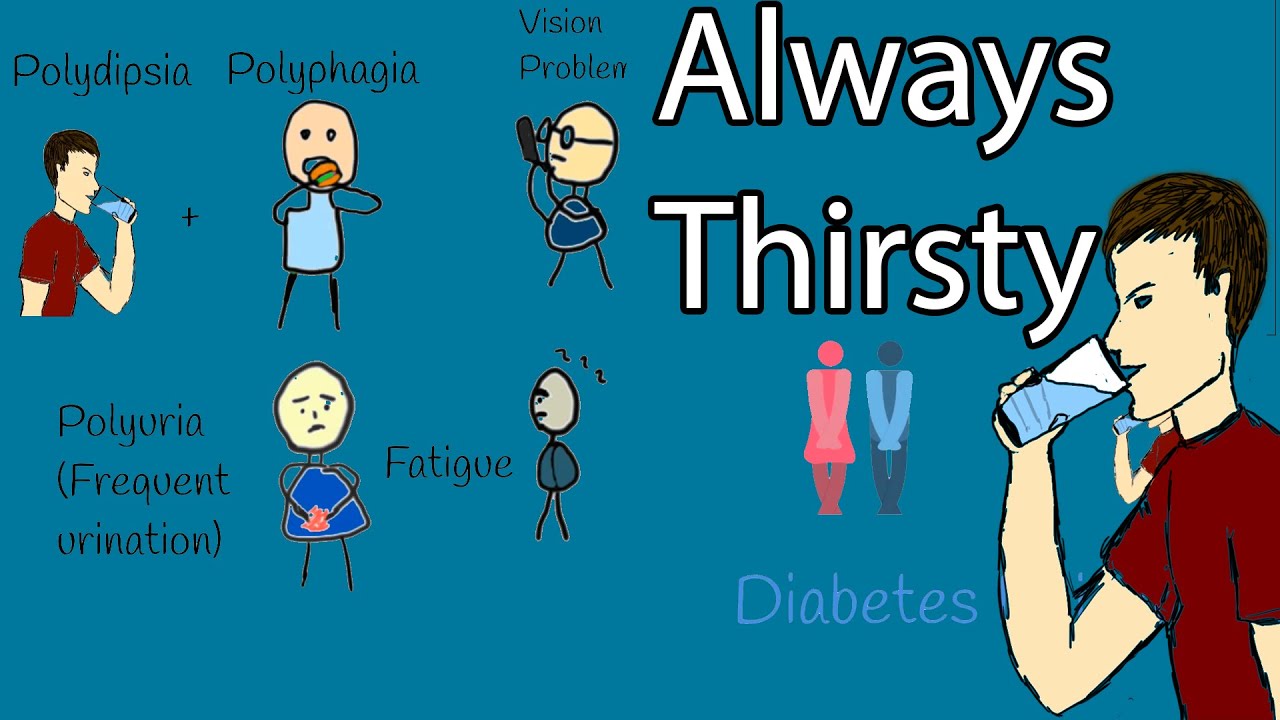 Polydipsia - Why Am I Always Thirsty? - Most common causes of
Even pop culture has noticed this thirst mystery. Remember that scene in Bridget Jones’s Diary where she’s crying into a bowl of soup while sick? She wasn’t just being dramatic; that soup was genuinely helping her rehydrate. And in The Simpsons, Homer’s constant cry for “more water, please” after eating a spicy pepper is a comedic exaggeration of the same reaction. Our media is full of unconscious thirst signals—we just don't always decode them.
Practical Tips for the Next Sick Day
First, don’t wait until you feel thirsty. Thirst is a lagging indicator—by the time you feel it, you’re already mildly dehydrated. Set a timer on your phone for every 15–20 minutes and take a small sip. This keeps your mouth and throat moist without overwhelming your stomach. Second, add a pinch of salt and a squeeze of lemon to your water. It’s a poor man’s electrolyte drink, and it tastes far better than plain tap water when your taste buds are fogged.
Third, invest in a humidifier. Dry air from heaters or AC will pull moisture from your skin and airways, making your thirst worse. A humidifier running at night can be the difference between waking up with a sandpaper throat and a slightly tolerable one. Finally, avoid diuretics like coffee or alcohol—they force water out of your system. Stick to herbal teas like chamomile or ginger; they’re gentle, hydrating, and have anti-inflammatory properties.
A Reflection on the Pour
When you’re sick—really down, feverish, and aching—a glass of water can feel like the only thing that matters. And it is. That simple act of drinking is your body’s most direct way to help itself. You’re not just quenching a dry mouth; you’re feeding the furnace of your immune system. It’s a quiet, powerful dialogue between you and your cells. So next time you’re curled up on the couch, staring at that glass of ice water, remember: it’s not a bother. It’s a love letter from you to your very resilient self. Drink up, and heal.
