Why Does Pop Burn Your Throat

You know that feeling. You crack open an ice-cold soda, take a long, happy gulp, and then—ouch. Your throat feels like a tiny dragon just took a nap in there. It’s that famili...
:max_bytes(150000):strip_icc()/what-causes-a-burning-throat-17429901-5b44da70c9e77c00376783f3.png)
You know that feeling. You crack open an ice-cold soda, take a long, happy gulp, and then—ouch. Your throat feels like a tiny dragon just took a nap in there. It’s that familiar, sharp, bubbly burn that makes you wince and wonder, why do I do this to myself? But don’t worry, you’re not alone. That tingly zing is a rite of passage for any soda lover, and it actually has a pretty cool scientific explanation.
Let’s get one thing straight right off the bat: it’s not the bubbles themselves doing the stabbing. You might think those tiny little fizzy spheres are the culprits, but they’re just innocent bystanders. The real troublemaker is a chemical transformation that happens when those bubbles pop.
Here’s the secret. The fizz in your drink comes from carbon dioxide gas, which is forced into the liquid under pressure. When you open the bottle, the pressure drops, and the gas starts escaping as bubbles. But here’s the kicker: when the bubbles reach your tongue and throat, they don’t just float away—they morph into a brand-new substance.
Must Read
That substance is carbonic acid. It’s a weak acid formed when carbon dioxide reacts with water. Weak is the key word here—it won’t melt your insides—but your throat’s pain receptors are sensitive enough to feel that tiny, invisible burn. Your body is basically saying, “Hey, that’s a little acidic! What’s going on down there?”
Think of it like a tiny, harmless prank your soda plays on you. You pour it into a glass, it looks innocent, but as soon as those bubbles burst on your tongue, they release a little chemical “gotcha!”. It’s a bit like biting into a lemon wedge—the sour feeling is your taste buds reacting to the acid, and the burn is your throat reacting to the carbonic acid version.
Science calls this the “carbonation bite” or “tingle,” and it’s actually a pain signal. Now, don’t panic! You’re not in actual danger. Your throat’s pain receptors are just being dramatic. Studies show that carbonic acid specifically activates a set of nerves called the trigeminal system, which is the same gang that shouts “Spicy!” when you eat chili peppers.
So, when you drink a fizzy cola, you’re basically giving your throat a mild, chemical tickle fight. The result is that weird, burning sensation that feels more aggressive than a hug, but far less painful than stubbing your toe. It’s a sensation we humans have learned to love, not hate.
 What Does Burning Throat Mean at Sherlyn Weyer blog
Have you ever noticed that the first sip always burns the most? There’s a reason for that. Your carbonated drink is at its fizziest right after you crack it open. The more you drink, the more gas escapes, and the less carbonic acid gets formed. So the burn is like a little opening act for the rest of the show.
Think of a freshly poured beer at a backyard barbecue. That first bubble-filled sip is a happy shock to the system. Then, as the beer sits and goes flat, that zing disappears. You’re essentially watching the carbonic acid party wind down. The burn is there to tell your brain, “This is fresh and exciting!”
And here’s the weirdest part: some people are more sensitive to it than others. My friend Sarah can chug a whole liter of soda without flinching, while I sniffle and tear up from a single sip of ginger ale. It depends on the number of pain receptors in your throat and your personal tolerance for the tingle. You’re not weak—you’re just a connoisseur of the burn.
But why should you care about this burning sensation? Well, for one, it explains why you might hate a flat soda. When a drink goes flat, it has lost its carbon dioxide. Without carbon dioxide, there is no carbonic acid forming.
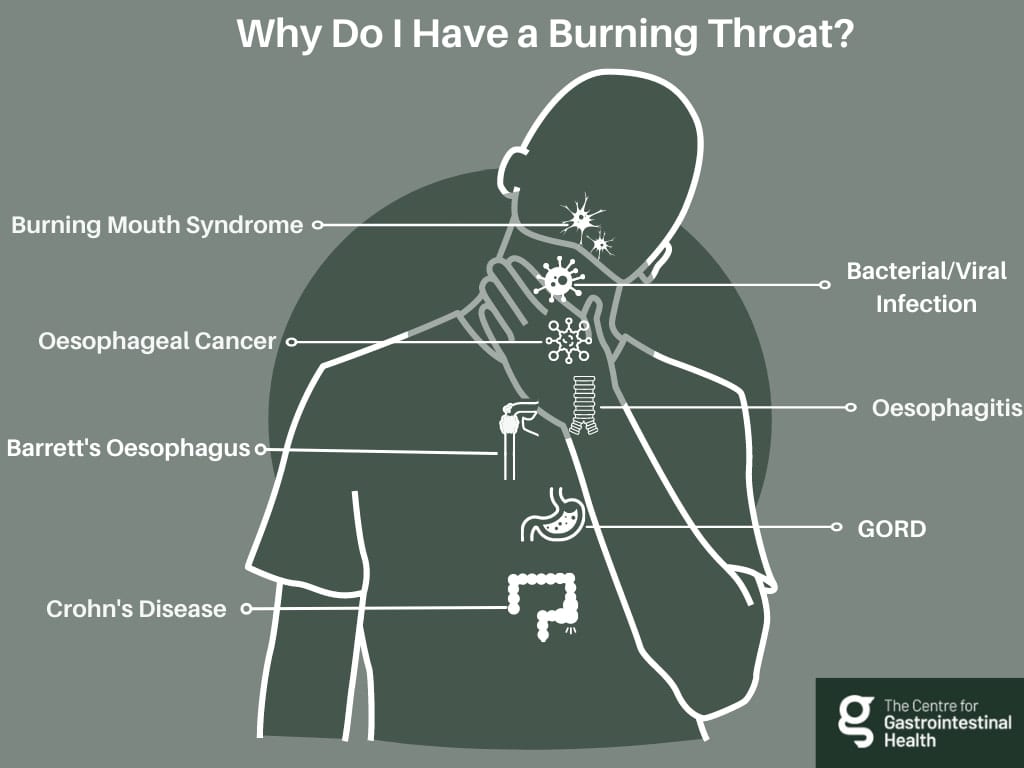 Burning Sensation in Throat: Causes & Remedies | CGH
No carbonic acid means no burn. That’s why a flat soda tastes so syrupy and sad—it’s missing that bright, sharp note that cuts through the sweetness. The burn is the heart of the flavor experience. It’s the conductor of your taste symphony, making the sugar feel less cloying and the citrus oil pop.
If you’ve ever wondered why club soda or seltzer tastes so “crisp and clean,” it’s because of that same burn. Without any sugar to hide behind, that tingle is all you get. It’s like drinking a tiny, fizzy light bulb. This principle also explains why spicy soda is a growing trend—people are chasing that sensational, throat-tickling thrill.
And let’s be real for a moment: there’s a reason we call it “fire” soda or “ginger burn.” We love the drama. It’s the same reason people enjoy hot sauce, horseradish, or that first icy plunge into a cold pool. The burn makes us feel alive. It’s a little risk for a big reward of refreshment.
Next time you take a gulp of pop and feel that burn, don’t grimace. Smile. You are experiencing a tiny, safe, chemical reaction that has been delighting humanity since soda fountains were invented. It’s a fizzy hug from science—one that just happens to be a little prickly.
So go ahead, crack open another, and give a little nod to the carbonic acid. It may burn your throat, but it’s also the reason that summer picnic cola tastes so perfectly perfect. And if it makes you cough a little, just laugh. Your throat is just having a lively conversation with your drink, and that’s a beautiful thing.
:max_bytes(150000):strip_icc()/what-causes-a-burning-throat-17429901-5b44da70c9e77c00376783f3.png&description=Why+Does+Pop+Burn+Your+Throat)