Does San Pellegrino Have Pfas

So, you’re standing in the grocery aisle, staring at a shiny green bottle of San Pellegrino. Maybe you’re craving that crisp, bubbly feeling after a long day, or you’re preppi...
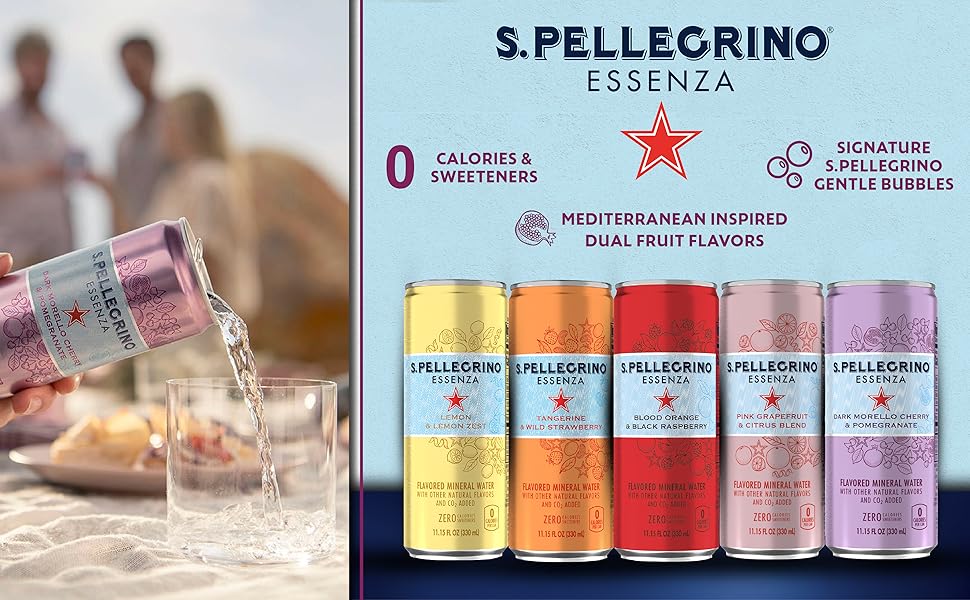
So, you’re standing in the grocery aisle, staring at a shiny green bottle of San Pellegrino. Maybe you’re craving that crisp, bubbly feeling after a long day, or you’re prepping for a fancy dinner party. But then a little voice in your head whispers: Does this have PFAS? It’s a fair question, and honestly, one that’s been bouncing around my own kitchen lately.
The Short Answer (No Panic Necessary)
Let’s cut to the chase: Yes, some tests have found trace amounts of PFAS in San Pellegrino, but it’s very low—often below the strictest safety limits set by health experts. Think of it like finding a single grain of sand on a pristine beach. You’d barely notice it, but it’s technically there.
A 2021 study by Consumer Reports tested dozens of bottled waters, and San Pellegrino was on the list. The levels were low enough that even strict European standards wouldn’t panic. For context, it’s a far cry from the high levels found in some tap waters or other brands.
Must Read
So, you don’t need to toss your stash of sparkly green bottles just yet. But why does this matter to you, sipping your drink on a Tuesday afternoon?
What Are PFAS, and Why Should You Care?
Picture PFAS as the uninvited guest at your picnic. They’re a group of man-made chemicals nicknamed “forever chemicals” because they don’t break down easily in the environment. They’ve been used in non-stick pans, waterproof jackets, and even fast-food wrappers.
The worry is that, over many years, high exposure might be linked to health issues like changes in cholesterol or immune function. But here’s the key: it’s all about dose and frequency. A single, occasional bottle of San Pellegrino is like a single raindrop in a storm—it’s not the main event.
Think of it this way: you’re more likely to encounter PFAS from old cooking pans or that greasy pizza box than from a fizzy mineral water. But because we drink water every day, it’s smart to know what’s in our glass.
A Little Story from My Own Fridge
The other week, I was halfway through a bottle of San Pellegrino while prepping dinner. My partner, Sarah, walks in and asks, “Are you sure that’s safe with all the PFAS talk?”
I froze, mid-sip. Then I laughed. “Honestly, I’m more worried about the burnt popcorn in the microwave,” I said. We checked the fridge, and our tap water filter was due for a change—that was probably a bigger deal than the fancy bubbles.
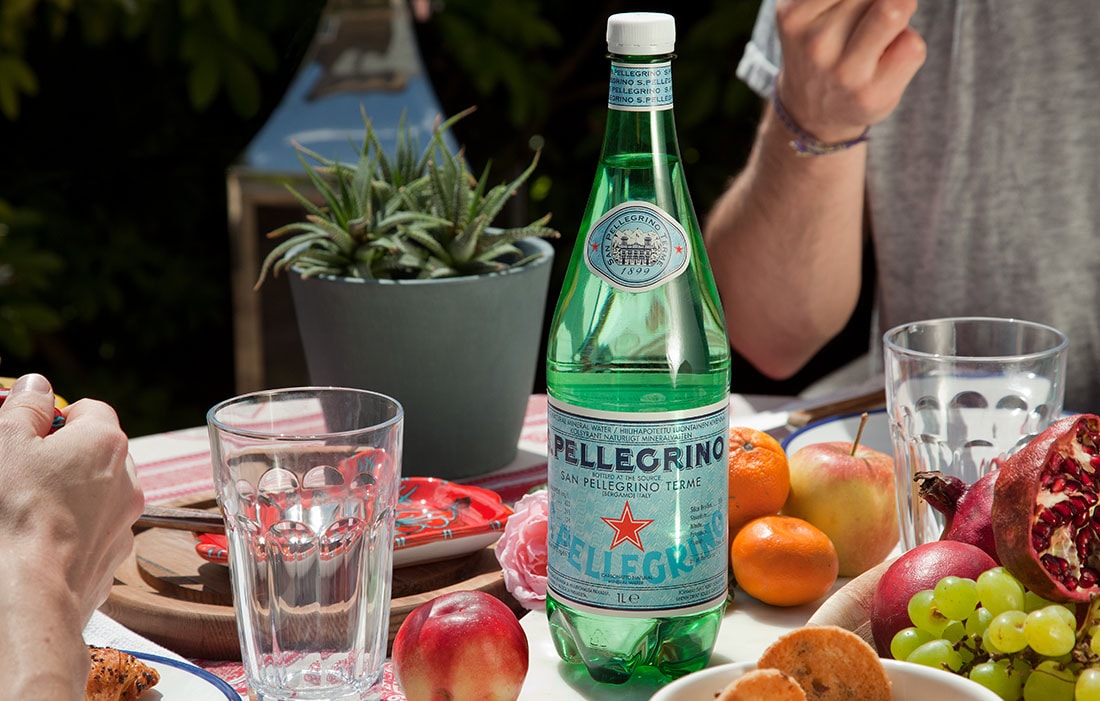 Products, Bottles and Flavors | Sanpellegrino®
That moment reminded me: it’s easy to fixate on one thing, like a single bottle, while ignoring the bigger picture of our daily habits. So let’s look at the whole picture.
Comparing the Drops: San Pellegrino vs. Tap
If you’re super concerned, consider this: many tap water supplies in the U.S. have PFAS levels that are higher than San Pellegrino. A good home water filter (like a carbon or reverse osmosis system) can reduce those levels significantly.
Meanwhile, San Pellegrino comes from a natural spring in Italy, where the water is filtered through volcanic rock for years. That natural filtration helps keep PFAS levels low, but it’s not perfect—just like no water is 100% free of modern chemicals.
So, which is better? Honestly, both can be part of a healthy routine. The key is moderation and knowing your options. Don’t let a buzzword ruin your enjoyment of a simple pleasure.
Why This Matters for Your Daily Life
Here’s the fun part: caring about PFAS doesn’t mean banning your favorite sparkling water. It means being a smart consumer. You have the power to choose—and you can do it with a smile.
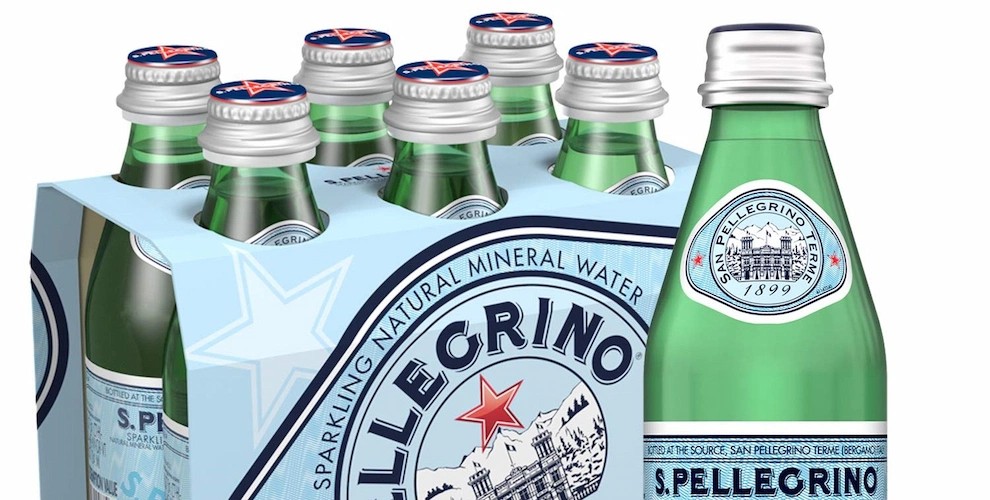 San Pellegrino: Doğal Mineralli İtalyan Gazlı Su Keyfi
For example, if you’re like my friend Dave, who drinks three cans of soda a day, switching to San Pellegrino is actually a healthier swap. Less sugar, fewer additives, and still that satisfying fizz. The PFAS level is way lower than the sugar risk.
Or, if you’re a mom packing lunches, you might feel better knowing that BPA-free plastic bottles are a bigger exposure source than the water inside. Small steps like using glass or stainless steel can make a difference.
Let’s Keep It Warm and Simple
So, back to the original question: does San Pellegrino have PFAS? Yes, in tiny, trace amounts. But it’s not the villain in your fridge. The real takeaway is to enjoy your life without stressing over every molecule.
Drink your sparkling water, laugh at the funny bubbles, and maybe swap out that old non-stick pan for a cast iron one. That’s a bigger win for your health than ditching the green bottle.
And next time you pop open a San Pellegrino, remember: you’re not just drinking water, you’re enjoying a little piece of Italy. Cheers to that, with a side of common sense!
