What Does Carbonated Water Do

Let’s be honest: plain water can feel a bit like a homework assignment. You know you should drink it, but where’s the joy? Enter carbonated water—the fizzy, effervescent cousi...
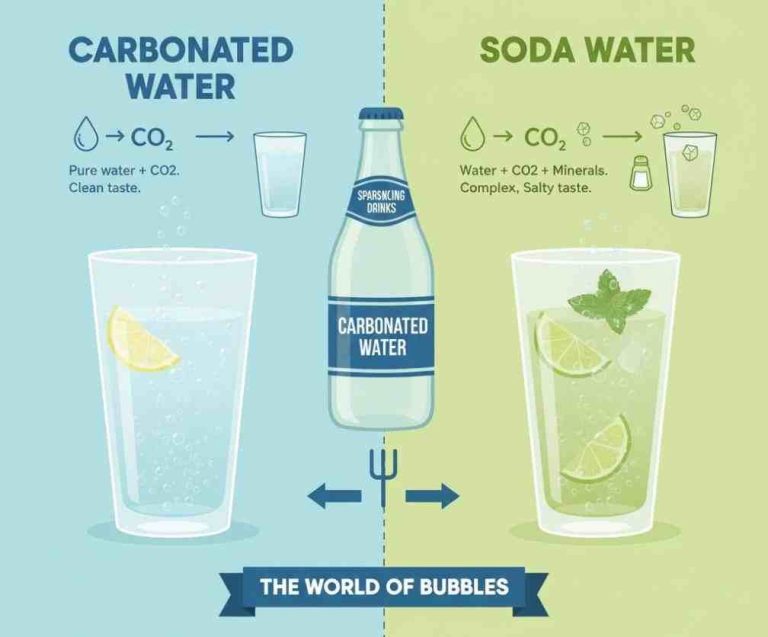
Let’s be honest: plain water can feel a bit like a homework assignment. You know you should drink it, but where’s the joy? Enter carbonated water—the fizzy, effervescent cousin that turns hydration into a tiny celebration.
But beyond the satisfying pop of a can and the tickle on your tongue, what is it actually doing to your body? We’re diving into the science, the sass, and the surprising life-hacks of bubble water.
The Bubbly Biology: Hydration on Hard Mode?
First, the big myth: no, carbonated water does not dehydrate you. It is just as hydrating as still water—period. The carbonation is simply carbon dioxide gas dissolved under pressure.
Must Read
When you drink it, that gas expands in your stomach, creating a feeling of fullness. That’s why some people say it helps them eat less, though it’s more of a temporary trick than a diet solution.
Your body handles the CO2 just fine, burping out the excess. Technically, you’re drinking water with a party hat on.
Your Teeth: A Delicate Friendship
Here’s where we need a gentle reality check. Carbonated water forms carbonic acid, which gives it that slight tang. This acid is weak, but it can soften enamel over time if you sip it all day long.
However, the risk is wildly exaggerated. Plain sparkling water is about 100 times less acidic than soda. Your saliva neutralizes it fast, especially if you don’t swish it around like mouthwash.
Pro tip: Drink fizzy water with a meal, or rinse your mouth with plain water afterward. And for the love of enamel, skip the lemon or lime—citrus acid is the real villain here.
The Gut Reaction: Fizz vs. Digestion
Have you ever felt a little bloated after a Perrier session? That’s the trapped gas doing its thing. For some people, carbonated water can cause mild bloating or burping.
But for others, it’s a digestive hero. Studies suggest that sparkling water can improve swallowing and even relieve constipation. The bubbles stimulate the nerves that tell your gut to get moving.
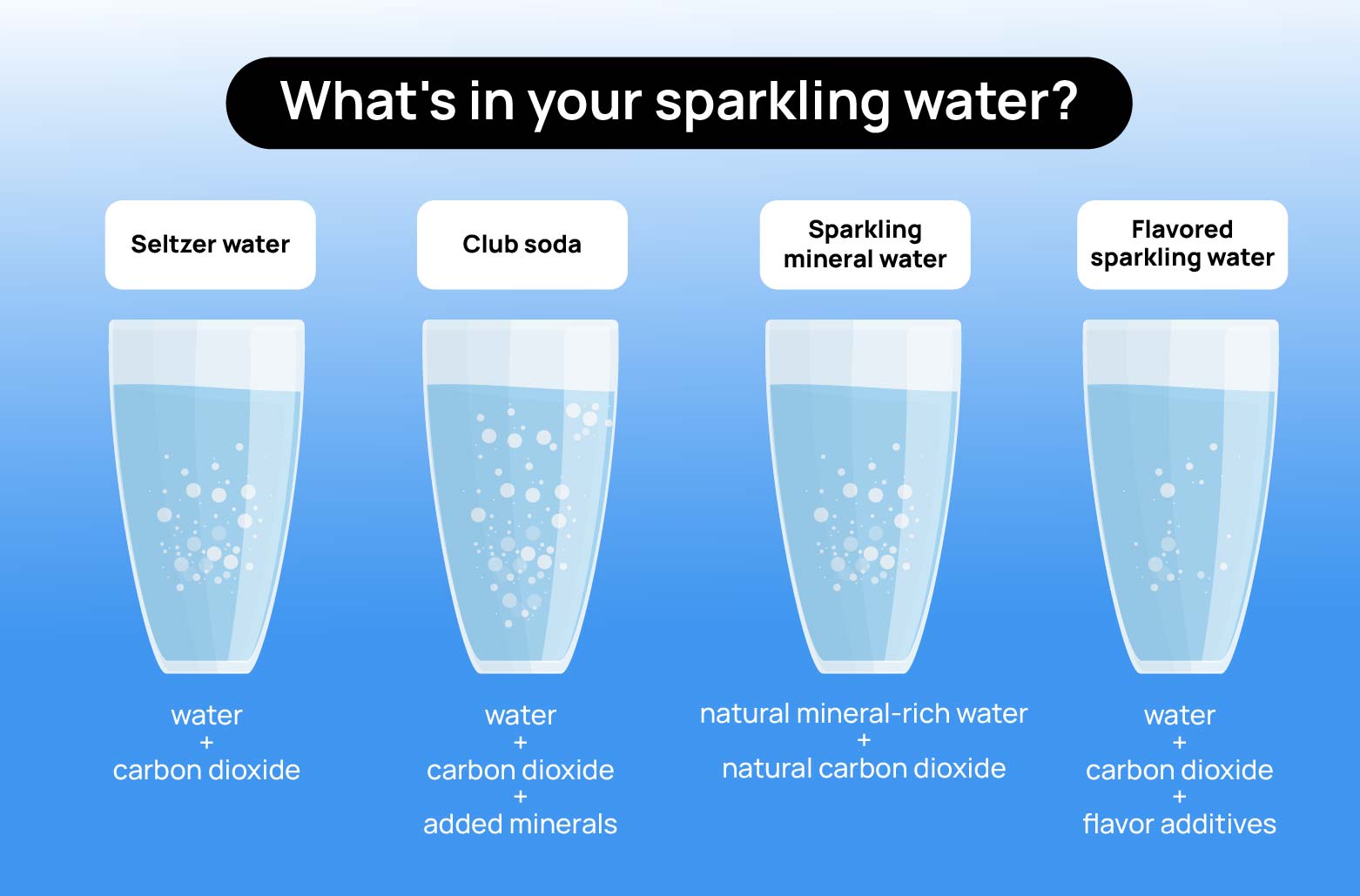 Water: Sparkling or Still? What the Science Says | WellnessPulse
Think of it as a gentle nudge for your digestive system, not a sledgehammer. If you have IBS or a sensitive stomach, you might want to test the waters—literally—in small doses.
A Cultural Tour: From Parisian Cafés to American Fridges
In Paris, ordering a citron pressé with sparkling water is a ritual of sophistication. In Tokyo, vending machines offer tansan in flavors like yuzu and melon.
America has had a wild love affair with LaCroix, which basically convinced an entire generation that “naturally essenced” means “I’m an adult now.” The memes write themselves, but the cultural shift is real: bubbles are a lifestyle choice.
Even high-end cocktail bars now use carbonated water ironically—serving zero-proof spritzes that taste like a vacation, minus the hangover. It’s hydration with swagger.
Practical Tips: How to Fizz Like a Pro
1. Make your own. A soda stream isn’t just for hipsters. It saves money, reduces plastic waste, and lets you control the carbonation level. Go wild—carbonate your iced tea or even diluted juice.
2. Flavor without sugar. Drop in a few cucumber slices, a sprig of mint, or a handful of frozen berries. The bubbles carry the aroma better than still water, making each sip feel like a spa treatment.
3. Watch out for “sparkling water” impostors. Many brands add sodium, citric acid, or artificial sweeteners. If it tastes suspiciously like soda, check the label. True sparkling water should have one ingredient: carbonated water.
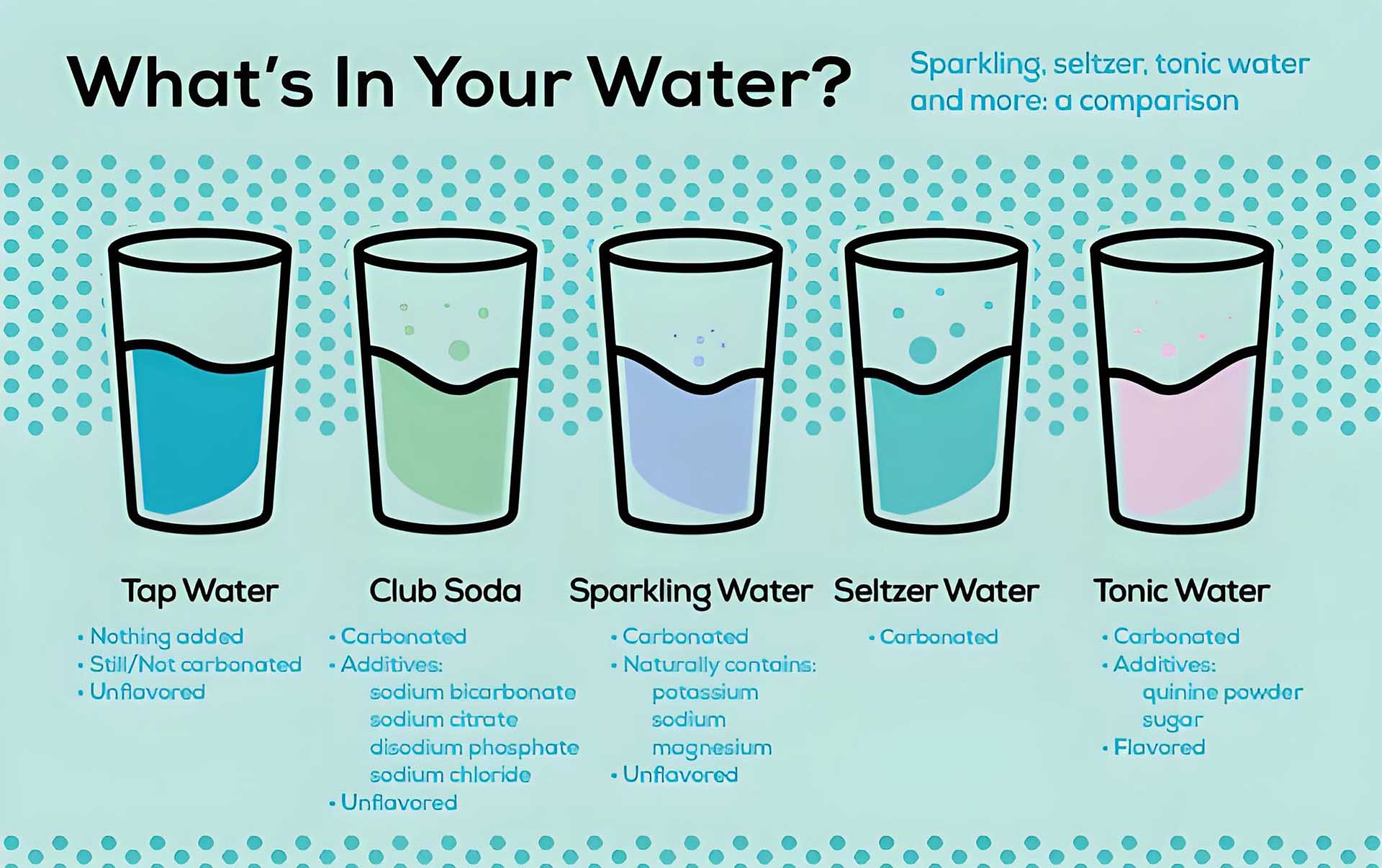 Experienced supplier of Carbonated Drink Filling Machine,soda filling
4. Use it as a palate cleanser. Between bites of rich food, a few sips of plain seltzer can reset your taste buds. Michelin star restaurants do this for a reason.
Fun Fact: The Physics of the “Fizz Pop”
The sound of opening a carbonated drink is actually crackling—not a single pop. As pressure releases, thousands of tiny bubbles form and collapse in microseconds. It’s a miniature symphony of physics.
And that burning sensation when you drink it too fast? That’s CO2 triggering your pain receptors. Your brain interprets the carbonation as mild irritation, which is why it feels “sharp” and exciting.
In a 2013 study, participants actually rated carbonated water as being colder than still water at the same temperature. The bubbles mess with your perception. Pure psychological mischief.
The Real Takeaway: Is It Worth the Hype?
Carbonated water is not a miracle drink. It won’t detox you (your liver does that), it won’t make you skinny, and it won’t grow your hair. But what it does do is make hydration enjoyable.
And that matters more than we think. When drinking water feels like a pleasure rather than a chore, you naturally drink more of it. That’s a win for your skin, your energy, and your overall mood.
So next time you reach for a can of fizzy water, don’t overthink the science. Just appreciate the moment: the crisp hiss, the tiny bubbles, the quiet satisfaction of doing something good for yourself while feeling just a little bit fancy.
In a world that asks so much of you, sometimes the most radical act of self-care is simply enjoying your water with a bit of flair. Cheers to that.
