What Does Activated Carbon Do

You know that little black filter in your water pitcher or fish tank? That’s activated carbon, and it’s basically the superhero of the filtration world. It’s like a tiny, poro...
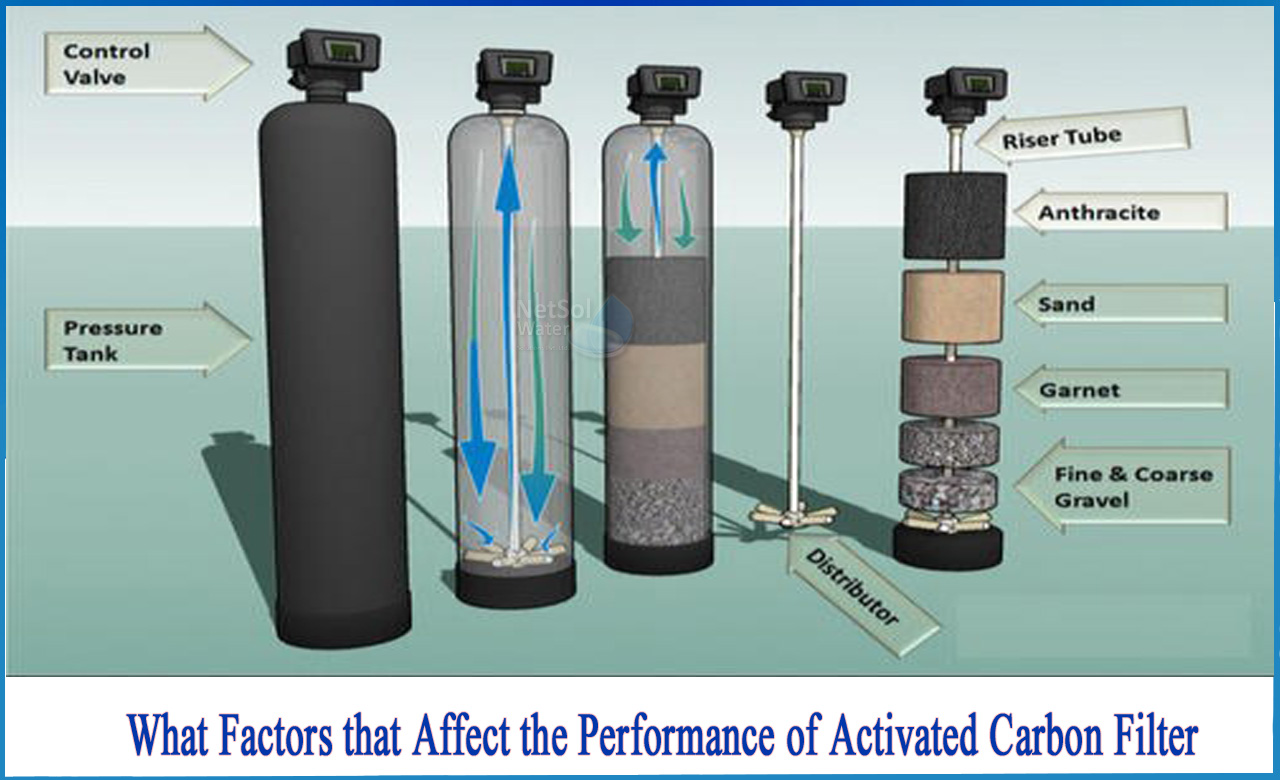
You know that little black filter in your water pitcher or fish tank? That’s activated carbon, and it’s basically the superhero of the filtration world. It’s like a tiny, porous sponge that’s been given a serious energy drink. We’re about to dive into what makes this stuff so amazing, and I promise, no chemistry degree required.
So, What Exactly Is Activated Carbon?
Imagine a regular charcoal briquette from your backyard grill. Now, imagine that briquette went through a magical spa treatment where it was heated to extreme temperatures and treated with gases. That process creates millions of tiny pores—like a microscopic, super-charged honeycomb.
This is activation in a nutshell. It turns boring old carbon into a highly porous material with a massive surface area. In fact, one gram of activated carbon can have a surface area larger than a football field. That’s a lot of real estate for capturing bad stuff.
Must Read
Think of it as a studio apartment for molecules. The more walls and nooks you have, the more guests you can squeeze in—except in this case, the guests are impurities you want to kick out.
What Does It Actually Do? The Trap-and-Release Game (Well, Just Trap)
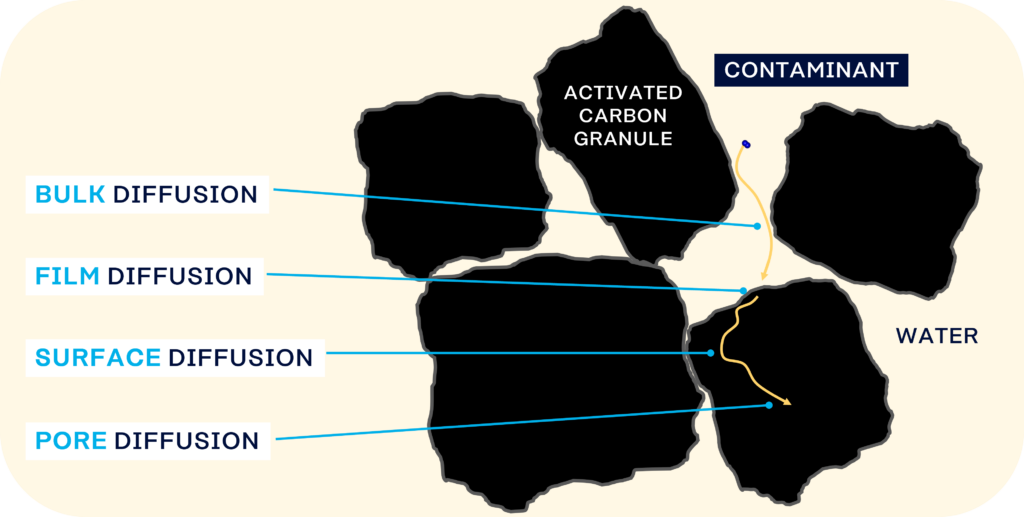
Activated carbon works through a process called adsorption. That’s with a d, not a b—so no, it doesn’t absorb like a sponge sucks up water. Adsorption means molecules stick to the surface of the carbon like Velcro.
The carbon’s pores are lined with special chemical bonds that act like tiny magnets. When water or air flows by, contaminants like chlorine, odors, and volatile organic compounds get trapped inside. It’s like a sticky flytrap, but for nasty chemicals, not bugs.
Once the carbon is full, it stops working. That’s why you have to replace those filters every few months—otherwise, your water just tastes like “Ehh, I’ll drink it anyway.”
Where Do You Find This Magic Dust?
You’ve probably used activated carbon without even knowing it. It’s in water filters for your kitchen fridge, in fish tank filters to keep your goldfish happy, and even in air purifiers to suck up pet smells. Ever wonder why your Brita pitcher makes tap water taste less like a swimming pool? Thank the carbon.
It’s also in gas masks for firefighters and soldiers to filter out toxic gases. And yes, it’s the main ingredient in those charcoal toothpaste and face masks that influencers rave about. (Spoiler: it can whiten teeth, but don’t brush too hard—it’s abrasive, and your enamel isn’t a rock.)
 What Does Activated Carbon Do in Aquariums? - Activated Carbon
Hospitals even use it for poison control. In emergency rooms, doctors sometimes give patients a slurry of activated carbon if they’ve swallowed something toxic. It binds to the poison in the stomach, preventing it from getting into the bloodstream. So yes, carbon literally saves lives.
The Cool Science You Can Show Off at Parties
Activated carbon isn’t picky. It traps charged molecules (like chlorine) and organic compounds (like the smell of rotting garbage) equally well. But it’s lousy at catching some things—like heavy metals, fluoride, or dissolved minerals. That’s why your filter doesn’t remove rock-hard water’s calcium; carbon’s got a chunky, clumsy side.
Another fun fact: activated carbon is hydrophobic—it hates water. That’s why it’s great at pulling oil and organic gunk out of water. It’s like that one friend at a party who avoids the punch bowl and only talks to the weirdoes. That weirdo, in this case, is the stuff you want gone.
And here’s a joke: Why did the activated carbon break up with the water filter? Because it felt adsorbed. (I’ll see myself out.)
Does It Work on Everything? The Devilish Details
Not quite. Activated carbon is a broad-spectrum cleaner, but it’s not a miracle worker. It won’t remove salt, nitrates, or most bacteria. For those, you need reverse osmosis or UV light. Think of carbon as the bouncer at a club—it stops the rowdy drunks (odors, chlorine) but lets the VIPs (harmless minerals) through.
The size of the pores matters, too. Some carbons have big pores for large molecules, others have tiny pores for small ones. That’s why some filters work better on tap water than on aquarium water. It’s all about matching the tool to the job—like using a wrench, not a banana, to fix a pipe.
 How Does Activated Carbon Work?
Oh, and heat kills it. If you boil activated carbon, it will release everything it trapped. So don’t toss your used filter in the microwave to “recharge” it. You’ll just make your kitchen smell like burnt fish and regret.
Is There a Downside? (Let’s Be Real)
Yes, it’s not perfect. Activated carbon filters can become a breeding ground for bacteria if left wet and unused for too long. That’s why you should change them regularly—like changing your underwear. Hygienic rule applies to filters too.
It’s also not renewable for home use. Once the pores are full, you toss it. Sure, industrial plants can “reactivate” it by heating it to hellfire temperatures, but you and I are just stuck buying new bags. Such is the price of clean air and water.
And if you use charcoal toothpaste, don’t go overboard. It can abrade your enamel if you brush like a maniac. The American Dental Association isn’t its biggest fan—so use it like a gentle exfoliator, not a sandblaster.
The Uplifting Conclusion (You Knew This Was Coming)
So, what does activated carbon do? It’s a tiny, porous miracle that works tirelessly to make your world cleaner, fresher, and less stinky. From the water you drink to the air you breathe, it’s the unsung hero living in your filters, smiling while it traps the nasty stuff.
And here’s the best part: You, too, can be like activated carbon. Life throws a lot of “contaminants” at us—stress, bad vibes, flat tires. You don’ta have to absorb them all. Just let the good stuff stick, the bad stuff slide off, and remember to replace your own “filter” with a good night’s sleep and a laugh with a friend.
So next time you chug a glass of water from the fridge, give a little nod to that black powder doing the heavy lifting. It’s small, it’s quiet, but it makes a huge difference. And so do you. Cheers, carbon. Cheers, you.
