Does Pure Water Have Minerals

Alright, let’s settle this once and for all. You’re standing in the grocery aisle, staring at a bottle that promises Pure Water. And you’re wondering: does it have minerals? T...

Alright, let’s settle this once and for all. You’re standing in the grocery aisle, staring at a bottle that promises Pure Water. And you’re wondering: does it have minerals? The short answer? No. The long answer is a bit more fun.
Think of pure water like a blank canvas. It hasn’t picked up any extra baggage from the earth. No calcium, no magnesium, no fancy electrolytes. Just H₂O, doing its best impression of a minimalist.
So, what exactly is pure water?
We’re talking distilled or deionized water here. It’s been stripped of everything except the hydrogen and oxygen. It’s the introvert of the water world—no party favors, just itself.
Must Read
Compare that to your tap or spring water. Tap water is a mineral grab bag. It’s been rolling over rocks, picking up calcium, magnesium, and small amounts of iron. That’s why some water tastes crisp and others taste like a dusty sidewalk.
Pure water? It tastes… flat. Almost nothing. That lack of minerals is what makes it so boring to your tongue. Your brain goes, “Wait, is this water?” Yes, brain. It is. But it’s on a diet.
Why would anyone drink mineral-free water?
Good question. Usually, it’s for lab experiments, medical uses, or fancy car batteries. You don’t want minerals mucking up your science. Or your battery. Or your CPAP machine. That’s a thing, by the way.
But drinking it long-term? That gets a little awkward. Without minerals, water can actually pull tiny bits of calcium and magnesium from your body. It’s like a friendly mugging. “Hey, can I borrow those minerals? Thanks, bye.”
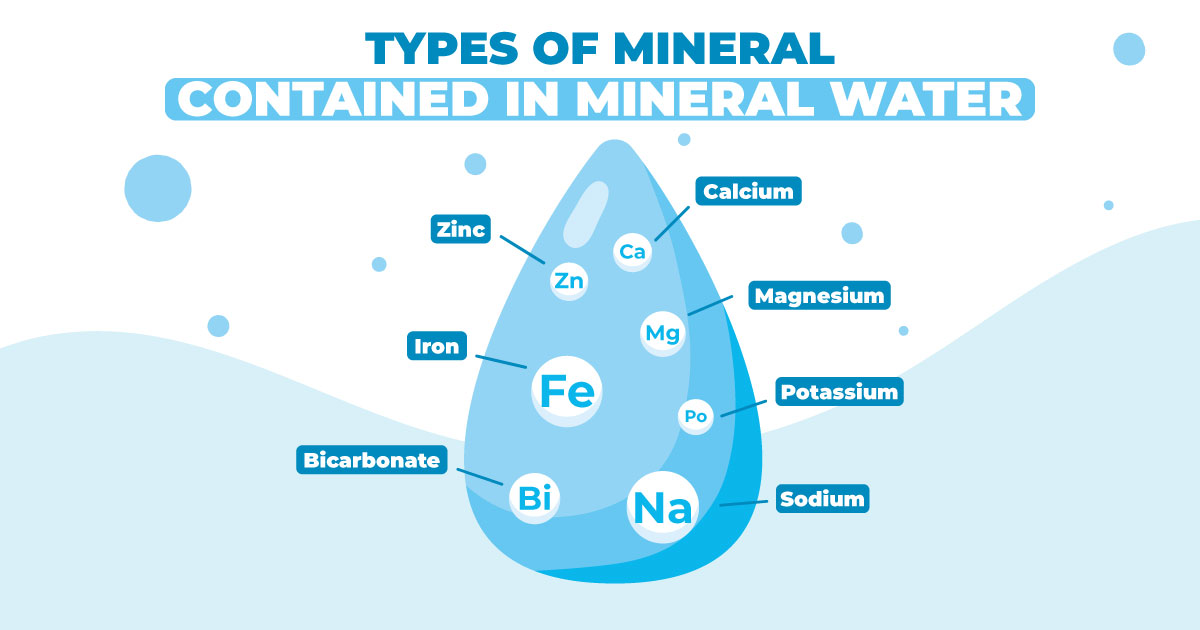 Difference between Mineral Water & Drinking Water
So, is pure water dangerous? Not immediately. But if you only drink distilled water for weeks, you might start feeling a little off. Your muscles might grumble. Your bones might side-eye you. You get the picture.
Does any pure water have minerals?
Here’s the twist: if it says “pure” but still has minerals, it’s a marketing trick. That’s just filtered or spring water with a fancy label. They’re banking on you thinking “pure” means “healthy.” It doesn’t. It means “naked.”
Remember, minerals aren’t dirty. They’re what make water taste like water instead of a science fair project. Your body needs them for nerve signals, muscle function, and keeping your heart from doing a weird jig.
But here’s a fun fact: you can add minerals back into pure water. Some people do it for flavor or for electrolyte balance. It’s like giving your blank canvas a few splashes of neon paint. Suddenly, it’s alive again.
So, should you buy that bottle labeled Pure Water?
If it’s distilled, you’re paying for a science experiment. If it’s spring water with a “pure” sticker, you’re paying for marketing. Your choice.
 Calcium Mineral Water
My advice? Stick with water that has a little crunch. You know, minerals. It’s what your cells are craving. And it’s way more interesting to drink than something that tastes like a void.
But hey, maybe you like the void. No judgment. Just don’t let anyone tell you that pure water is somehow “better” for you. It’s not. It’s just… emptier. And a little lonely.
So next time you see that bottle, ask yourself: Do I want a water that’s had all its personality removed? If the answer is yes, go for it. Just maybe pack a mineral supplement. Or, you know, eat a banana. Your body will thank you.
And that’s the tea—er, the water. Pure water has no minerals. It’s the shy, awkward cousin at the family reunion. Perfectly fine, but probably not who you want to sit next to at dinner.
Final thought: Drink what you like. But if you want to feel alive, reach for something that’s had a chance to roll around in some rocks. You’ll taste the difference. I promise.
