Does Sink Water Have Chlorine

The other morning, I filled my glass from the kitchen tap, took a big gulp, and immediately felt like I was chewing on a swimming pool. Ugh, I thought. Straight-up pool water....
The other morning, I filled my glass from the kitchen tap, took a big gulp, and immediately felt like I was chewing on a swimming pool. Ugh, I thought. Straight-up pool water. I spat the rest back into the sink, which, let’s be honest, is a deeply irrational thing to do when you’re worried about what’s in the water. But the feeling stuck with me. Does sink water actually have chlorine? Or was my brain just playing a very specific prank on my taste buds?
Let’s cut right to the chase, because I know you’re here for a straight answer and not a chemistry lecture. The short answer is: yes, most tap water in the US and many parts of the world does contain chlorine. And I’m not talking about a microscopic ghost of chlorine, either. We’re talking about a deliberate, government-approved squirt of the stuff. Yes, really. Your water utility is literally dosing your H2O with the same chemical you’d use to shock a nasty above-ground pool. Sounds gross, right? But here’s the kicker: we should actually be kind of grateful for it.
The Great Chlorine Cover-Up (It’s a Good Thing)
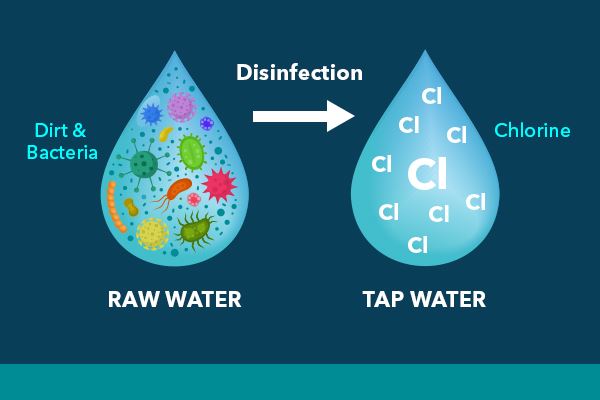
Imagine a world without chlorine in your sink water. Spoiler alert: it would smell like a swamp and probably give you a raging case of cholera. Before municipal water treatment became a thing, waterborne diseases like typhoid and dysentery were basically the norm. Not fun. Chlorine is the unsung hero that turned our drinking water from a biological lottery into a reasonably safe bet. It’s the silent bodyguard that kills bacteria, viruses, and parasites before they ever touch your lips.
Must Read
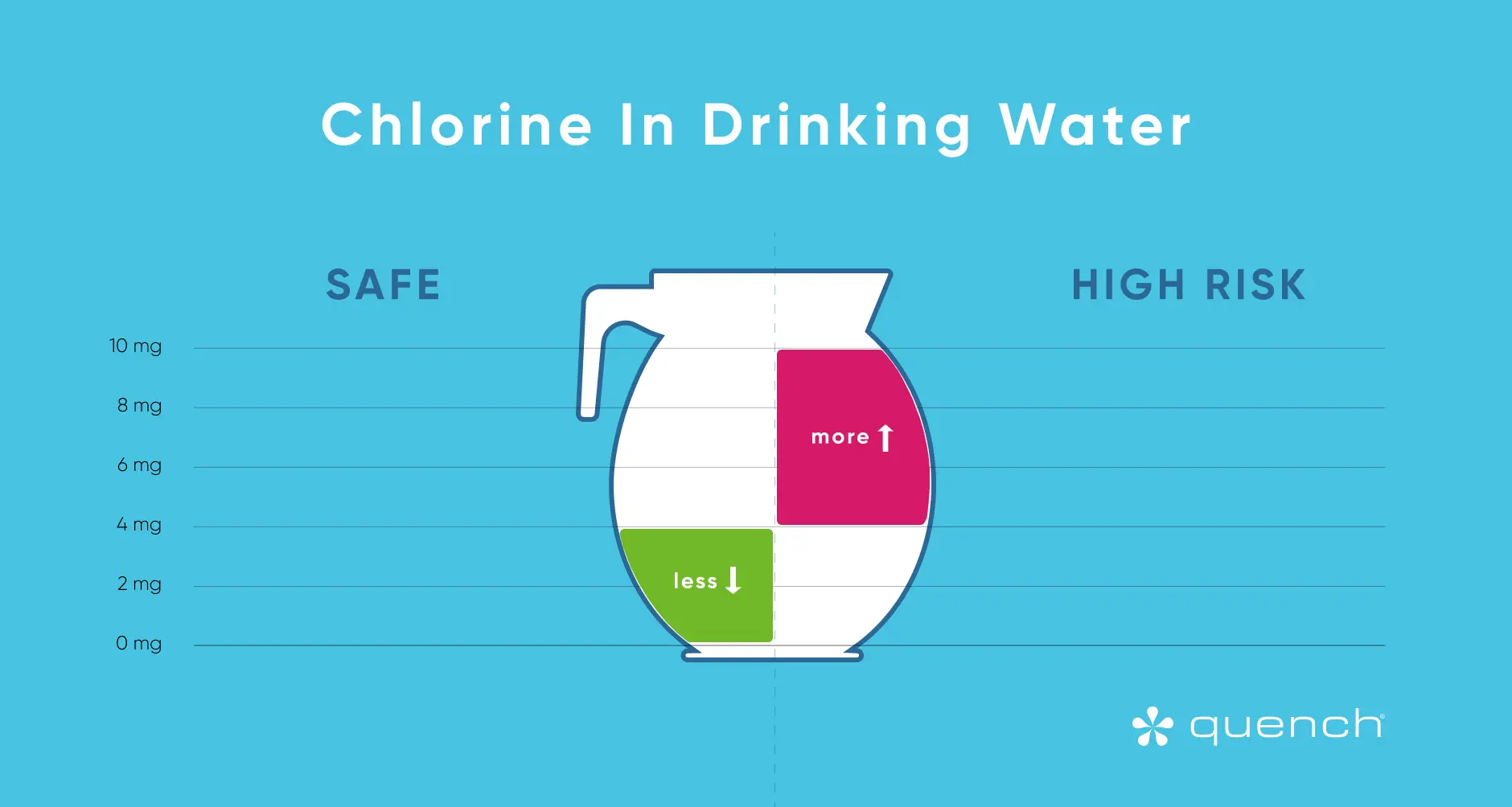
Think of it this way: your tap water travels through miles of underground pipes. Those pipes are dark, warm, and damp—basically a five-star hotel for germs. Without a tiny amount of chlorine lingering in the water, the bad guys would have a field day by the time the water reached your faucet. The level is very tightly regulated, usually between 0.2 and 4.0 parts per million. That’s like one drop of chlorine in a giant bathtub. Enough to kill the nasties, but usually not enough to cause you harm.
Why Does My Water Sometimes Taste Like a Bleach Factory?
Okay, so if it’s so safe, why does it sometimes hit your glass like a chemical weapon? Honestly, it’s all about concentration and temperature. If you live in a warmer climate, or if the water has been sitting in a hot pipe for a while, the chlorine becomes more volatile. It literally gasses off faster and hits your nose and taste buds harder. That “pool smell” is actually the chlorine reacting with organic matter, but that’s a whole other can of worms we don’t have time to open.
 Free Chlorine vs Total Chlorine | When to Measure What?
Another sneaky culprit? Your local water plant might have cranked up the dose temporarily. This happens after a heavy rainstorm or a pipe break, when there is a higher risk of contamination. It’s a short-term safety measure, not a permanent plot to make your morning coffee taste like a public swim. You can often check your water utility’s website for alerts. They’ll post something like, “We’re increasing chlorine due to local flooding,” which basically means, “Yes, your water will smell weird, but trust us.”
Should You Be Worried? Or Just Annoyed?
Here is where I have to be real with you. For the vast majority of healthy people, the chlorine in tap water is absolutely not dangerous. The science is solid, and the levels are set by the EPA. However, I get it—the taste is nasty. I am not here to sell you a fancy filter, but I will tell you a little secret: chlorine is volatile. That means it evaporates.
 Why Your House Smells Like a Pool and How to Fix It With Water Filtration
If the taste bothers you, pour a pitcher of water and let it sit in the fridge uncovered for about an hour. Most of the chlorine will just fizz off into the air, and your water will taste completely neutral. Boom. Problem solved. Alternatively, boiling the water for a few minutes will do the same thing, but then you have to wait for it to cool down. Life is too short for lukewarm tea.
The Bottom Line (Because We Both Have Places to Be)
So yes, your sink water has chlorine. It is not a conspiracy. It is not a mistake. It is a very deliberate, very effective way to keep you from getting violently ill. It’s a trade-off: a tiny bit of chemical weirdness for the gift of not dying of dysentery. I’ll take that deal every single day.
Next time you fill up your glass and get a whiff of the pool, smirk a little. That tiny whiff is the sound of a hundred thousand bacteria meeting their maker. And if you still can’t stand it, just let it sit for an hour, maybe add a slice of lemon, and stop blaming the sink. The sink is innocent. It’s just the messenger.
