Does Baking Soda Soften Water

So, you’re staring at a cloudy glass of tap water, wondering if a little box of baking soda can save the day. It’s a fair question—after all, baking soda is the superhero of f...
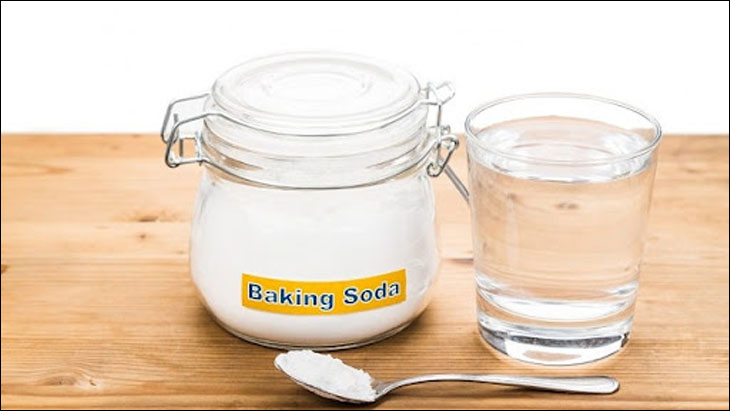
So, you’re staring at a cloudy glass of tap water, wondering if a little box of baking soda can save the day. It’s a fair question—after all, baking soda is the superhero of fridges, sinks, and even stinky shoes. But can this white powder actually make your water feel softer? Let’s grab a glass of (maybe hard) water and find out.
What Does “Soft Water” Even Mean?
First, we need to get on the same page about hard water. Hard water is basically water that’s been on a mineral heist—it’s swiped calcium and magnesium from rocks and soil. These minerals create that annoying white scale on your faucets and that squeaky feeling on your skin. Soft water, on the other hand, is like that chill friend who leaves no trace—no limescale, no sticky residue.
So, does baking soda banish those minerals? Spoiler alert: not exactly. Baking soda is a base, not a magnet for calcium. It’s more like a party host than a bouncer—it can change the vibe without kicking anyone out.
Must Read
Baking Soda vs. Hard Water: The Chemistry Friend Zone
Here’s the science in plain English: Baking soda is sodium bicarbonate. When you drop it into water, it doesn’t grab calcium or magnesium by the collar and drag them away. Instead, it raises the water’s pH level, making it more alkaline. This can make water feel slightly different—maybe a bit silkier—but it’s not true softening.
Think of it like this: You can’t turn a brick into a sponge by sprinkling glitter on it. Baking soda is the glitter—it adds sparkle, but the brick (hard water minerals) is still there. It’s a temporary fix, not a permanent solution. Sorry to burst your bubble—literally, since baking soda fizzes like crazy.
What About That Fizz? Does That Help?
Oh, the fizz! When baking soda meets water, especially acidic water, it releases carbon dioxide bubbles. It’s fun to watch, like a tiny science fair in a glass. But those bubbles don’t grab minerals—they just escape into the air, leaving the calcium and magnesium high-fiving each other.
So, if you’re hoping for a fizzy mineral-removal magic trick, you’re out of luck. However, the fizz can temporarily suspend some particles, making water look clearer. But once the bubbles die down (which is quick), the hardness is still there, lurking like a guest who won’t leave the party.
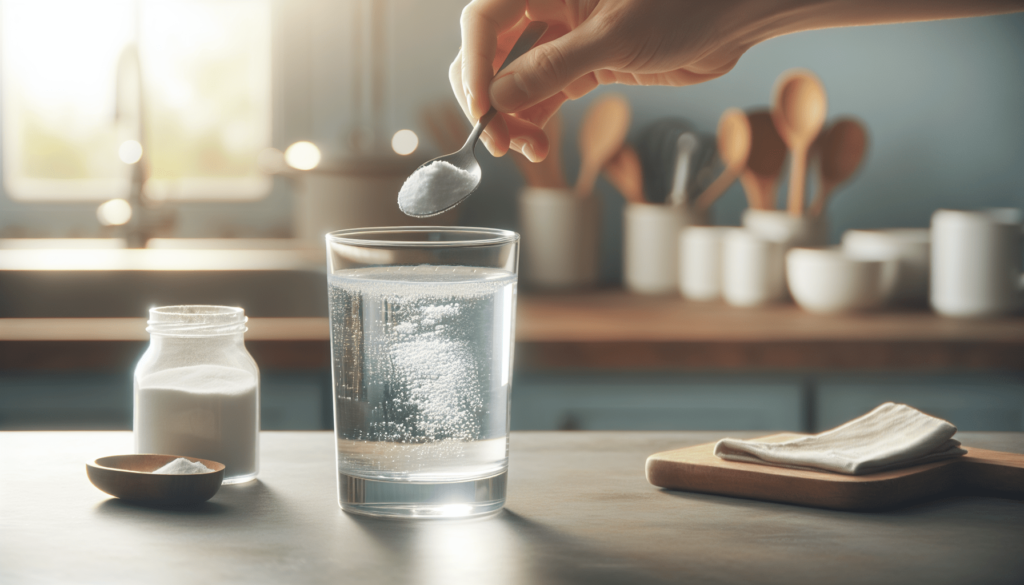 Discover The Top 5 Benefits Of Drinking Water And Baking Soda - Natural
The One Thing Baking Soda CAN Do for Water
Okay, I’ll stop being a party pooper. Baking soda does have a cool water trick: it can help neutralize acidity. If your water is acidic (low pH), baking soda can raise it, making the taste less sharp and the water less corrosive to pipes. That’s a win for your plumbing, even if it doesn’t soften.
It can also reduce some metallic tastes, like iron or sulfur. So while it’s not a water softener, it’s a taste improver and a pH balancer. Think of it as the friendly bartender of the water world—it mixes drinks, but it doesn’t kick out the rowdy minerals. And for laundry? Bad news. Baking soda won’t stop that whites-turning-gray hard-water disaster.
But Wait—What About That Squeaky Clean Feeling?
You might notice that after adding baking soda to your bath or wash, your skin feels different. That’s because baking soda can boost the cleaning power of soap by helping it lather better in slightly acidic water. But if you have seriously hard water, you’ll still get that squeaky (read: not soft) feel unless you use a true water softener.
So, does baking soda soften water? The short answer: no. It’s like putting a hat on a donkey and calling it a horse. Nice try, but you can still hear the hee-haw.
What Should You Use Instead?
If you really want soft water, you need a water softener system that replaces calcium and magnesium with sodium or potassium. That’s the science solution. Baking soda is just a kitchen hero, not a plumbing superhero. But—and this is a big but—baking soda is an awesome additive for some things.
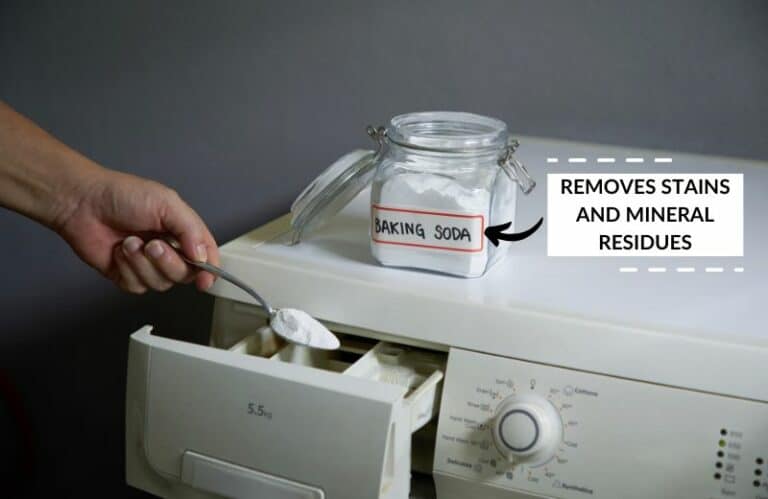 How to Soften Hard Water (Advice From a Water Treatment Expert)
Use it in your bath to soothe skin, in your washing machine to boost detergent, and in your fridge to absorb odors. Just don’t expect it to single-handedly banish hard water forever. It’s a helper, not a magician. And magic is expensive—baking soda costs like two bucks.
One Last Kitchen Experiment
Try this: Fill two glasses with the same hard tap water. Drop a teaspoon of baking soda into one and stir. Compare them—the baking soda water might look a bit cloudier at first (due to fizz), then clear up. But the minerals are still there, planning their next limescale attack. So, if you’re in a pinch and want slightly softer-feeling water for a one-off hair wash, go for it. But for your whole house? Get a real softener.
In the end, baking soda is like that friend who shows up with pizza and good jokes. It won’t fix your broken water heater, but it’ll make the evening a lot more fun. And sometimes, that’s exactly what you need.
The Uplifting Conclusion
So, does baking soda soften water? Not truly, no. But it does make water more alkaline, cuts down on weird tastes, and gives your soap a little boost. It’s not the hero you wanted—but it’s the cheerful sidekick you deserve. And isn’t that a metaphor for life? We can’t always remove the hard stuff, but we can add a little fizz, a little sparkle, and make the journey smoother.
So go ahead—sprinkle some baking soda in your bath, laugh at the fizzy bubbles, and remember: even if your water is still hard, your spirit can always be soft. Cheers to that, you wonderful, hard-water-having human.
