Does Soft Water Dry Your Skin

Let’s be real for a second: soft water sounds like a dream, doesn’t it? No crusty soap scum, no cloudy glasses, and your laundry smells like a meadow. But then you step out of...

Let’s be real for a second: soft water sounds like a dream, doesn’t it? No crusty soap scum, no cloudy glasses, and your laundry smells like a meadow. But then you step out of the shower, and your skin feels… tight? Suddenly, you’re wondering if that silky water is secretly plotting against your dry elbows. Take a deep breath, friend—we’re diving into this mystery with a smile, not a frown.
What’s the big deal about soft water anyway?
Soft water is simply water that’s been stripped of hard minerals like calcium and magnesium. It’s like the friendly, low-maintenance cousin of hard water. And yes, it makes your soap lather into a fluffy cloud of joy—soap actually cleans better without those minerals getting in the way.
But here’s the twist: all that extra soap and suds can hang around on your skin longer than you’d like. If you don’t rinse thoroughly, that leftover film can dry out your skin. It’s not the water’s fault—it’s more like a bad soap habit sneaking up on you.
Must Read
The real culprit: your shower routine, not the water
Think of soft water as a super-efficient cleaning partner. It removes dirt and oil extremely well—maybe too well if you’re using heavy-duty soaps. If your skin feels dry after a soft-water shower, you might be overdoing it with harsh cleansers or scrubbing like you’re removing old paint.
The fix is simple: switch to a gentle, moisturizing body wash and cut your shower time by two minutes. Your skin will thank you with a happy, hydrated glow. And honestly, who doesn’t want a shower that feels like a hug instead of a science experiment?
But wait—soft water can actually be good for your skin
Here’s the uplifting part: soft water doesn’t have to be a skin villain. In fact, for people with conditions like eczema, it’s often a hero. Hard water can leave mineral deposits on your skin, which can irritate and dry you out. Soft water washes that junk away, leaving your skin barrier cleaner and happier.
 The differences between hydration and moisture vector illustration
Imagine your pores throwing a little party because they aren’t clogged with calcium. That’s soft water doing you a solid. The dryness? It’s usually just a sign you need a better soap or a dab of lotion afterward—not a reason to ditch the soft water.
How to turn your soft water shower into self-care
Start by checking your soap labels. Look for words like “hydrating,” “sulfate-free,” or “for sensitive skin.” Your skin craves a gentle cleanse, not a high-powered degreasing session. Also, rinse like you mean it—spend an extra 10 seconds making sure no suds hide in your armpits or behind your knees.
And here’s a fun trick: apply your moisturizer while your skin is still slightly damp. Soft water helps your lotion absorb better because there’s no mineral residue blocking the way. It’s like giving your skin a first-class ticket to hydration station.
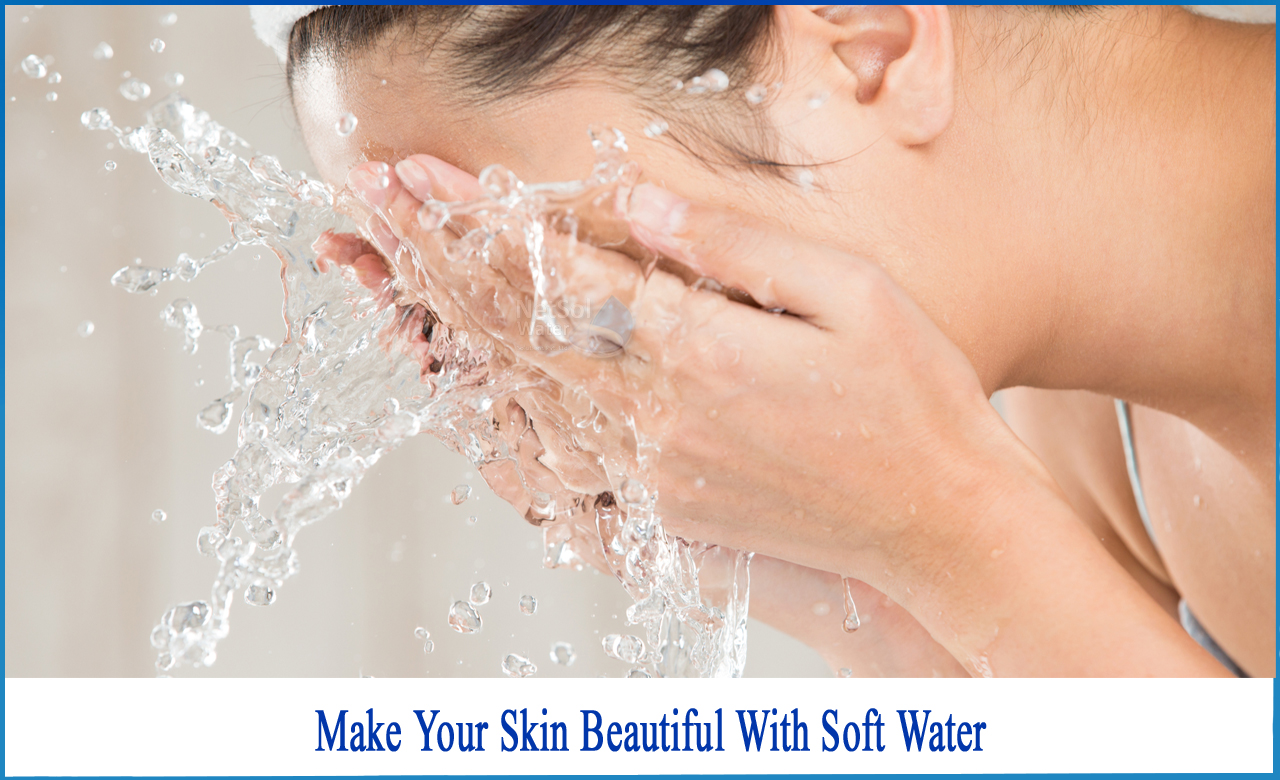 What do You Mean by Soft Water | Why Hard Water is Bad for Skin
Let’s bust the biggest myth
The idea that soft water always dries your skin is a bit like blaming a fork for making you eat too fast. The tool isn’t the problem—it’s how you use it. Soft water is actually gentler on your skin than hard water when handled right.
So if you’ve been blaming your water softener, give it a break. Instead, thank it for making your hair shinier and your dishes spotless. Then tweak your routine, and watch your skin thrive.
The final (uplifting) splash
You’ve got this. Your skin is resilient, adaptable, and way smarter than you give it credit for. Soft water isn’t a curse—it’s an invitation to level up your self-care game. A little rinse adjustment, a better soap, and you’re golden.
Life’s too short for dry skin drama. So go ahead, enjoy that silky shower, laugh at the old myths, and discover how amazing your skin can feel. You’re just one lather away from a whole new vibe—and that’s pretty inspiring, don’t you think?
