How Does Arsenic Get In Water

Let’s be real: when most of us think about water, we picture a clear, refreshing glass of the stuff. We don’t imagine a secret ingredient list that reads like a science fictio...
Let’s be real: when most of us think about water, we picture a clear, refreshing glass of the stuff. We don’t imagine a secret ingredient list that reads like a science fiction villain’s grocery run. But here we are, having to ask how arsenic—yes, that classic poison from old murder mysteries—ends up in our tap water. It sounds dramatic, but it’s actually a pretty normal (and weird) chain of events.
The Earth is a Kitchen Sponge
Think of the ground beneath your feet as a giant, grumpy kitchen sponge. It holds onto water, but it also soaks up minerals and rocks that touch it. Arsenic is a naturally occurring element in the Earth’s crust, like the baking soda hiding in the back of your pantry—except you don’t want it in your cake.
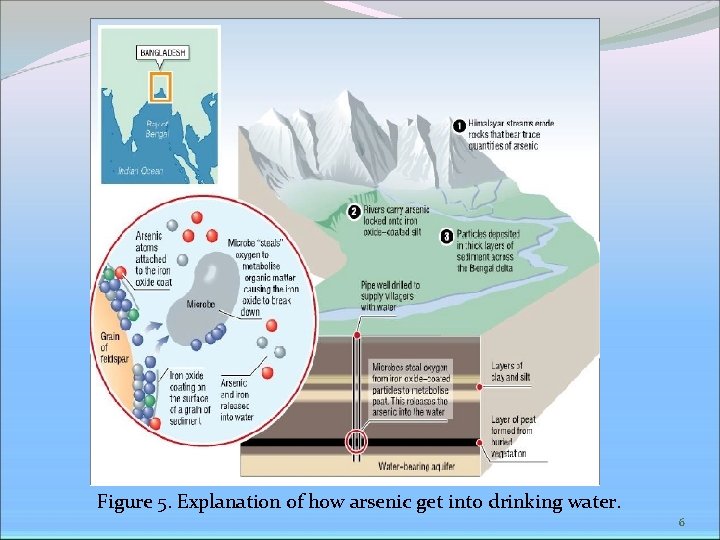
When rainwater falls, it percolates through soil and bedrock, slowly dissolving tiny bits of arsenic from rocks like a lazy tea bag steeping in a mug. This process has been happening for millions of years, long before humans started worrying about water filters.
Must Read
So, the first way arsenic gets in water is just Mother Nature doing her thing. She’s not trying to poison you; she’s just recycling minerals, like that friend who never throws anything away.
Rocks: The Original Contaminant
Some rocks are simply packed with arsenic. We’re talking about volcanic rocks, shales, and certain sulfide minerals. If your local aquifer flows through a layer of these, congratulations: you’ve hit the rock lottery—just not the winning ticket.
Imagine if your kitchen faucet was connected to a rock tumbler filled with gravel and rusty nails. That’s basically what happens when water moves through arsenic-rich soil. The water picks up the element like a dog picks up mud at the park—accidentally and with no shame.
This is why wells in places like the western U.S., parts of India, and Bangladesh can have sky-high levels. It’s not because someone dumped a barrel of poison; it’s because they built a well in a geologically gifted spot.
Human Shenanigans: Where We Make It Worse
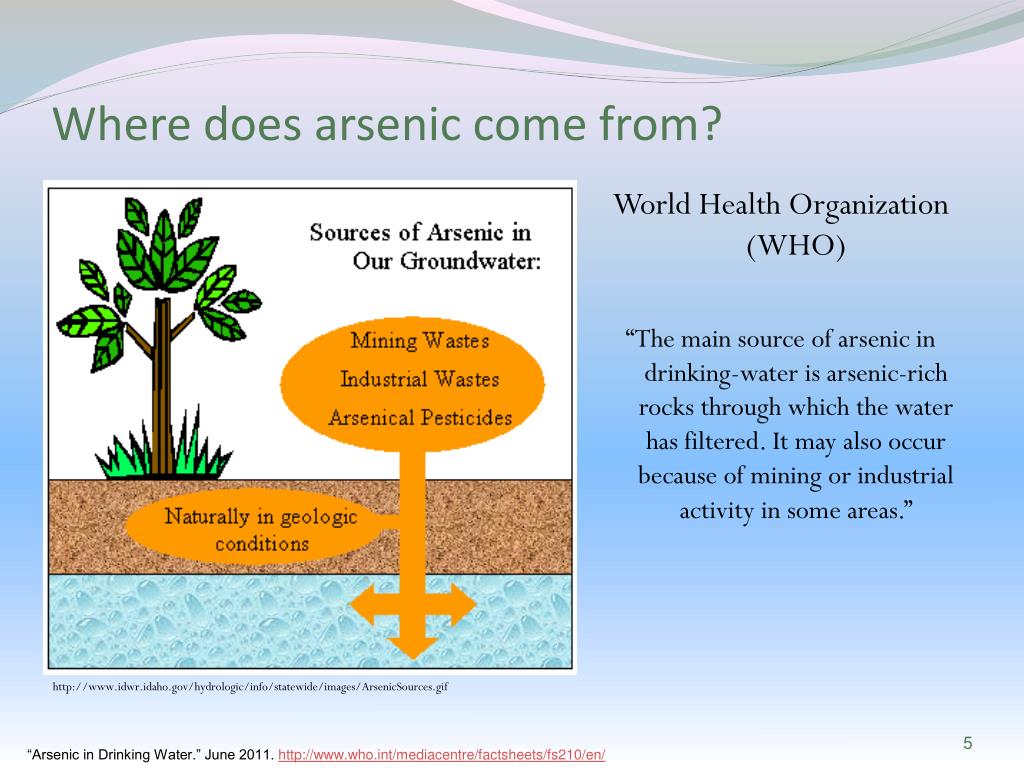
Of course, we humans have to step in and add to the chaos. Industrial runoff is a classic party-crasher. Old mines, smelters, and factories that used to make pesticides or wood preservatives (think of those greenish pressure-treated decks) often leaked arsenic into the ground like a kid who forgets to close the juice box.
 Arsenic Cycle
Farmers have also done their part. For decades, arsenic was used in poultry feed to kill parasites and in cotton defoliants. When rain hits those fields, it flushes the leftover arsenic into rivers and groundwater, like a bad rainy day washing your picnic leftovers into the gutter.
And let’s not forget old landfills. Before we knew better, we tossed arsenic-containing products—like rat poison, treated wood, and even some electronics—into giant holes. Now those holes are leaking a vintage cocktail of toxins into the water table.
The "Burning Coals" Analogy
Here’s a funny way to picture it: imagine you’re at a barbecue, and you drop a charcoal briquette into your cooler of ice-cold soda. That charcoal will slowly dissolve, making the soda taste like burnt regret. That’s essentially how arsenic dissolves into groundwater—slowly, silently, and without permission.
The process isn’t fast. It can take decades for arsenic levels to rise. So you might drink the water for years, thinking it tastes fine (if a little earthy), while the arsenic is just chilling in your system like an uninvited houseguest who refuses to leave.
And the worst part? You can’t see it, smell it, or taste it. Arsenic is the ninja of contaminants—stealthy, surprising, and hard to fight.
 PPT - Arsenic as a Global Pollutant Arsenic in Water PowerPoint
How to Keep It Out of Your Glass
First, don’t panic. If you’re on a public water system, they’re legally required to test for arsenic and tell you if it’s too high. But if you have a private well, you are the captain of your own ship—and also the janitor.
Test your water every year. It’s like checking the oil in your car—annoying but vital. If levels are high, a reverse osmosis filter or a distillation system can kick arsenic to the curb. Charcoal pitchers (like Brita) are great for taste, but they’re useless against arsenic. They’re the bouncer who lets the ninja slip past.
Also, don’t boil it! That’s a classic mistake. Boiling actually concentrates arsenic because the water evaporates, leaving the poison behind. You’re essentially making a toxic iced tea—not the vibe you want.
The Takeaway: It’s Not You, It’s the Geology
So, how does arsenic get in water? Mostly through the Earth being a mineral mess and humans occasionally adding to the mess. It’s not something to lose sleep over, but it’s worth a healthy dose of awareness.
Next time you pour a glass of tap water, give it a little nod of respect. That water has traveled through rocks, soil, and possibly a forgotten landfill. It’s survived a lot—just like you after a long day. And with the right filter, you can both keep your cool.
Stay hydrated, stay curious, and maybe think twice before drinking from a mountain stream without a test kit. Trust the Earth, but verify the rocks.
