How Does A Carbon Filter Work

So, you’ve got a carbon filter. Maybe it’s attached to your tap, hiding in your Brita pitcher, or hooked up to that fancy air purifier you bought during a panic about your nei...

So, you’ve got a carbon filter. Maybe it’s attached to your tap, hiding in your Brita pitcher, or hooked up to that fancy air purifier you bought during a panic about your neighbor’s barbecue smoke. You know it’s supposed to “filter stuff,” but how exactly does a piece of charcoal—basically a lump of burnt toast—turn your swamp water into something you’d actually sip? Grab your coffee, because we’re about to get weird with chemistry.
The Secret Life of Charcoal: It’s Not Just for Campfires
First, let’s talk about what a carbon filter actually is. It’s not the same charcoal you scrape off a burnt hot dog. This stuff is activated carbon, which means it’s been superheated with steam or chemicals to create millions of tiny, invisible pores. Imagine a sponge, but if that sponge was hollowed out to the size of a molecule. One gram of activated carbon has a surface area the size of a football field. Yes, a football field—your water filter secretly holds more real estate than your apartment.
This isn’t a filter like a sieve, where big chunks get stuck. This is a trap on a molecular level. The carbon acts like a tiny, angry bouncer at a club, grabbing onto pollutants with a grip tighter than your aunt’s hug at Thanksgiving. It’s called adsorption (with a ‘d’), not absorption. That means the bad stuff sticks to the carbon’s skin instead of soaking into it. Think of it like a magnet for smelly chemicals, not a bucket for water.
Must Read
What Does It Actually Catch? (Spoiler: It’s Gross)
Carbon filters are gluttons for punishment. They love removing chlorine, which is the stuff that makes your tap water smell like a swimming pool’s revenge. They also grab volatile organic compounds, or VOCs, which are those fancy-sounding poisons that leak from paint, glue, and new carpets. In an air purifier, this means it’ll snatch up the smell of your roommate’s burnt popcorn, the ghost of last week’s gym socks, and even those invisible chemicals from paint fumes.
But here’s where it gets weirdly specific. A carbon filter can’t catch everything. It’s great at grabbing organic molecules, but it’s terrible at snagging things like minerals, salts, or heavy metals like lead and arsenic. And if you have a virus or bacteria floating around? The carbon just shrugs and lets them pass like a lazy security guard. So no, your Brita pitcher is not a substitute for a hospital-grade water sterilizer. Sorry, hypochondriacs.
The Math of Stink: It’s All About Surface Area
Let’s do a bizarre mental exercise. Imagine a single drop of water filled with a bunch of nasty, volatile molecules—the ones that make your tap taste like a damp basement. A carbon filter’s pores are so tiny that only the smallest molecules can get stuck inside them. It’s like shoving a scared cat into a tiny cardboard box. The cat (the pollutant) gets trapped because the walls are sticky and cramped. This is called van der Waals forces, which is science-speak for “molecular clinginess.”
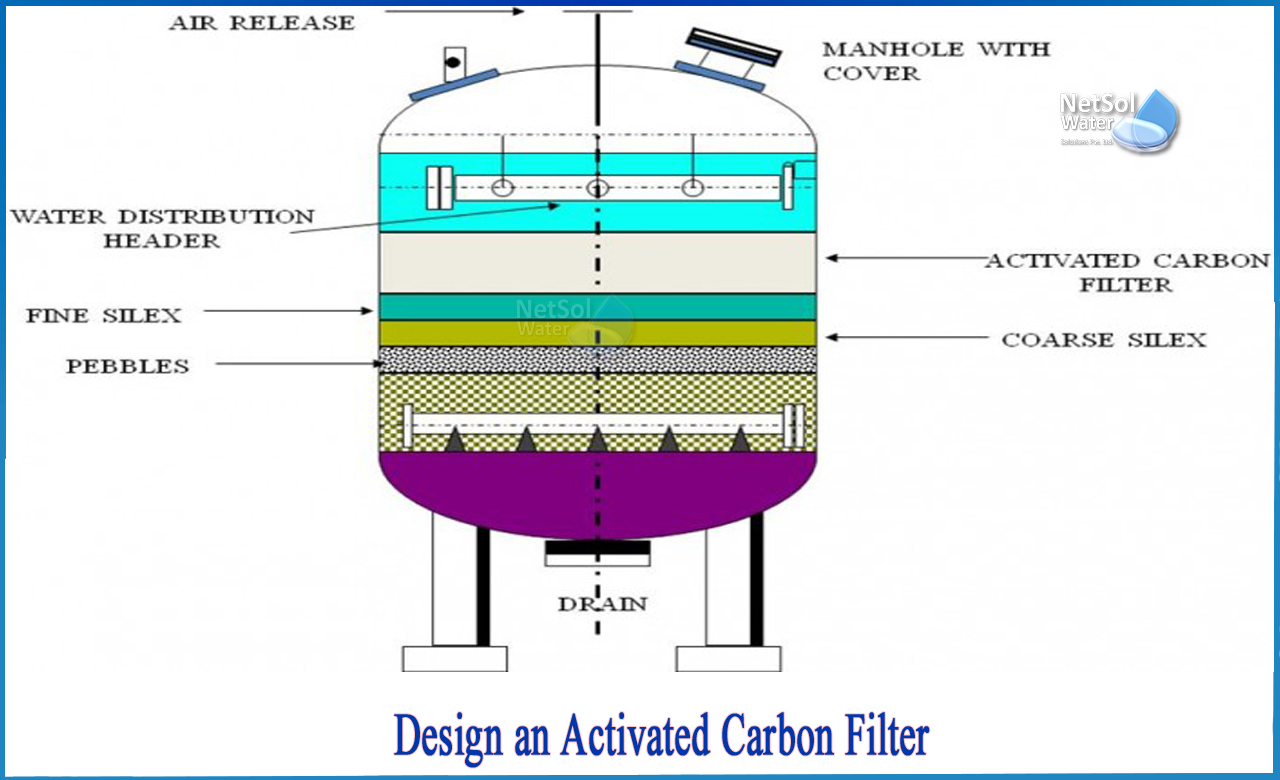 What Is Activated Carbon Filters at Stanley Shirlene blog
Activated carbon is so porous that a single teaspoon has more internal surface area than the entire floor of my apartment. And my apartment is a mess, so that’s saying something. When water or air flows through the carbon, the bad molecules bump into the pore walls and get stuck by weak electrical attractions. The more surface area, the more “sticky spots.” It’s like a sticky mousetrap, but for smelly sulfur and chlorine atoms instead of rodents.
Why Does It Stop Working? (The Tragedy of Full Pores)
Alas, every superhero has a kryptonite. Your carbon filter eventually fills up with all the gunk it grabbed. Once every pore is occupied, the filter becomes a useless, expensive brick. You know that funky smell from an old filter? That’s because you’ve now got a saturated sponge of grossness that starts releasing the stink back into your air or water. It’s like a garbage can that starts complaining after you stuff it too full.
The lifespan depends on how much gross stuff you throw at it. Live in a polluted city? Your air filter might die in months. Filtering cleanish tap water? It’ll last longer. But here’s a pro tip: if your water starts tasting like a forgotten petri dish, replace the filter immediately. You’re not saving money by being cheap; you’re just creating a very expensive, very slow bio-hazard dispenser.
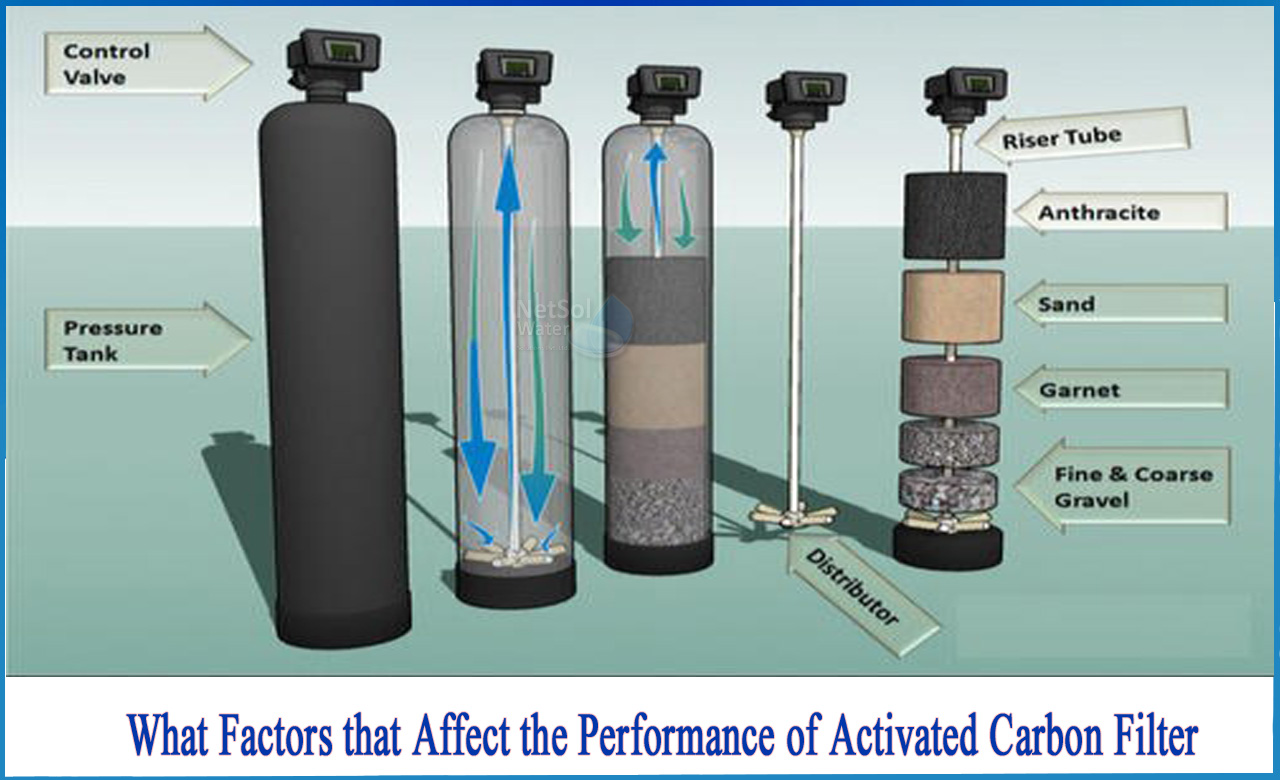 What Does A Carbon Filter Do
The Surprising Fact That Will Make You Look Smart at Parties
Ready for a wild one? Carbon filters can actually remove radioactive contaminants. During the Chernobyl disaster, tons of activated carbon were used in air purifiers to snag radioactive iodine particles. So your little water filter is technically a miniaturized nuclear disaster cleanup device. Just don’t brag about it at a party, or people will ask you to test their tap for plutonium.
Also, carbon filters are used in scuba diving gear to clean the air from compressors. That means if you’ve ever gone diving, you’ve trusted your lungs to the same stuff that’s in your kitchen faucet. And finally, the military uses activated carbon in gas masks to block chemical weapons. So next time you fill up your reusable bottle, just remember: you’re sipping through the same technology that’s survived mustard gas and nuclear fallout. Bottoms up, you brave little weirdo.
So there you have it. A carbon filter works through the magic of molecular real estate, sticky forces, and pores so tiny they’d make a cat feel claustrophobic. It’s not magic—it’s just burnt toast with a serious identity crisis and a job to do.
