How Does Water Softeners Work

Let’s be honest. You probably don’t think about your water. Not really. You just turn the tap and hope it doesn’t taste like a swimming pool. But if you live in a house with h...
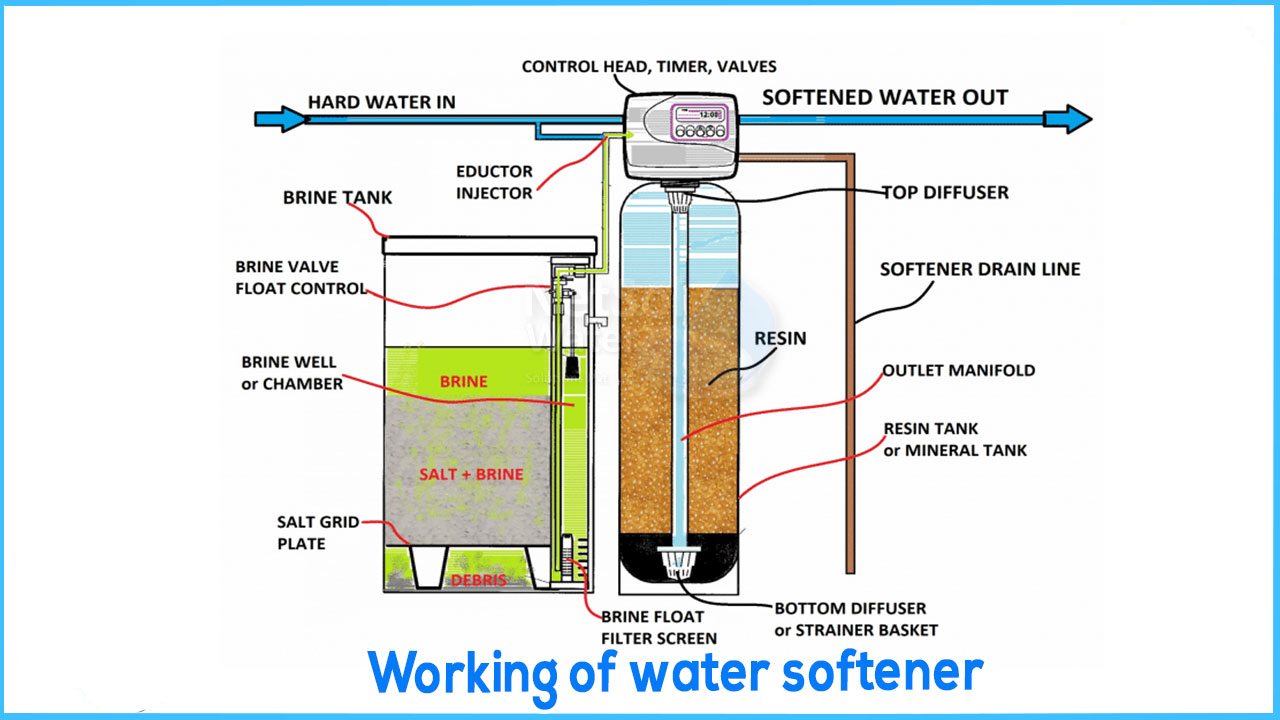
Let’s be honest. You probably don’t think about your water. Not really. You just turn the tap and hope it doesn’t taste like a swimming pool.
But if you live in a house with hard water, you’ve met an invisible enemy. It leaves white crusty rings in your toilet. It makes your soap refuse to lather. It’s basically the villain of your plumbing system.
Enter the water softener. It’s a magic box in your basement. And it’s way more fun than it sounds. I promise.
Must Read
What even is “hard” water?
Think of hard water as water that went to a gym. It picked up heavy weights—calcium and magnesium. These minerals hitch a ride from the ground into your pipes.
They’re not dangerous to drink. But they are annoying. They cling to everything. Shower heads get clogged. Dishes come out spotty. Your hair feels like straw.
Hard water is a diva. It demands a lot of attention. A water softener is the bouncer that kicks those minerals out of the party.
How does it actually work? (The simple version)
Imagine a jar full of tiny, super-charged beads. These are resin beads. They’re like magnets for minerals.
When hard water flows through, the calcium and magnesium bounce off the water and stick to the beads. It’s a swap meet. The beads give away a sodium ion (salt) in exchange for the hard minerals.
Out comes soft water. It’s clean, silky, and ready to party with your soap.
The weird science part? It’s called ion exchange.
Don’t let the big words scare you. “Ion” is just a fancy name for a charged atom. The beads are covered in sodium (salt) that has a positive charge.
Calcium and magnesium also have positive charges. They’re like greedy cousins. They push the sodium off the bead and take its place. The sodium floats away into the water.
This is why your softened water has a tiny bit of salt. It’s barely there. You won’t taste it. But your pipes will thank you.
 Water Softener How They Work | How Does a Water Softener Work? Parts
But wait—don’t the beads get full?
Great question! Yes. After a while, the beads are covered in calcium and magnesium. They’re exhausted. They can’t swap anymore.
This is where the regeneration cycle kicks in. It’s the softener’s nap time. The system flushes a strong brine solution (super salty water) over the beads.
The salt is so strong that it strips the minerals off the beads. The minerals get washed down the drain. The beads are recharged. Ready to work again. Like a rechargeable battery for your water.
Why it’s actually hilarious.
Here’s a quirky fact: Your water softener has a secret salt habit. It eats bags and bags of salt every month. You have to carry heavy, awkward bags from the store. It’s like feeding a pet rock that only eats a mineral.
Another weird thing: Soft water feels slippery. People often think they didn’t rinse off the soap. But you did! The water just feels silky because there’s no mineral film left on your skin.
True story: Some people say soft water makes their hair look flat. Others swear it’s a miracle. It’s the great hair debate of our time. You’ll have to try it yourself.
What you will notice right away.
Your dishes will be spotless. No more white streaks. Your shower glass won’t look like a puzzle. Your laundry will smell fresher.
Even better: Your appliances will live longer. A water heater with hard water builds up a layer of scale (like mineral armor). That scales acts like an insulator. It makes your heater work harder and cost more money.
Soft water is like a retirement plan for your pipes. They last longer. They stay happy.
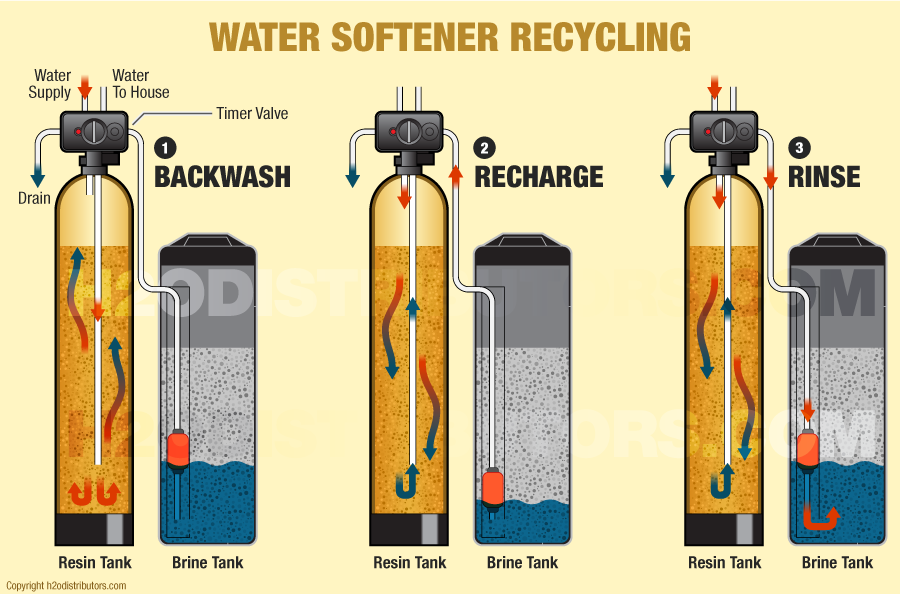 How Water Softeners Work Diagram Water Softener System With Automatic
A little secret about the salt.
You don’t drink the salty water. The salt is just a tool. And not all softeners use the same salt. Some use potassium chloride. It’s more expensive but better for plants and people on low-sodium diets.
Also, modern softeners are smart. They don’t regenerate on a dumb timer anymore. They measure how much water you use. Some even connect to Wi-Fi. Yes, your water softener is smarter than your toaster.
Imagine a robot that tastes your water and decides when to scrub its own beads. That’s the future. It’s already here.
Is there a downside?
Sure. Soft water isn’t perfect. It can make your garden salty. You don’t want to water your petunias with it. So houses with softeners often have a separate tap for outdoor hoses.
And the initial cost? A good system can run you a few hundred dollars. But it pays for itself in soap savings and longer appliance life.
Plus, you get bragging rights. You can tell your friends: “I control the ion exchange in my water.” They will be impressed or confused. Either way, it’s fun.
So, is a water softener for you?
If your towels feel stiff, your coffee maker is crusty, and you spend too much time scrubbing white rings off your sink? Yes. It’s time to kick those minerals out.
If you love weird science? Even better. You get to geek out about resin beads and brine tanks. Show off your knowledge at dinner parties. “Hey, did you know the ancient Greeks used to soften water with volcanic ash?” It’s true. We’re just doing it with plastic beads now.
The bottom line: water softeners are simple, clever, and oddly satisfying. They turn a grumpy, mineral-infested liquid into a silky, happy friend. Now go check your faucet. Is there a white ring? You know what to do.
