How Much To Drain Septic Tank

So, you’re staring at your yard, wondering about that mysterious tank buried underground. How much does it actually cost to drain a septic tank? Pull up a chair, because this...
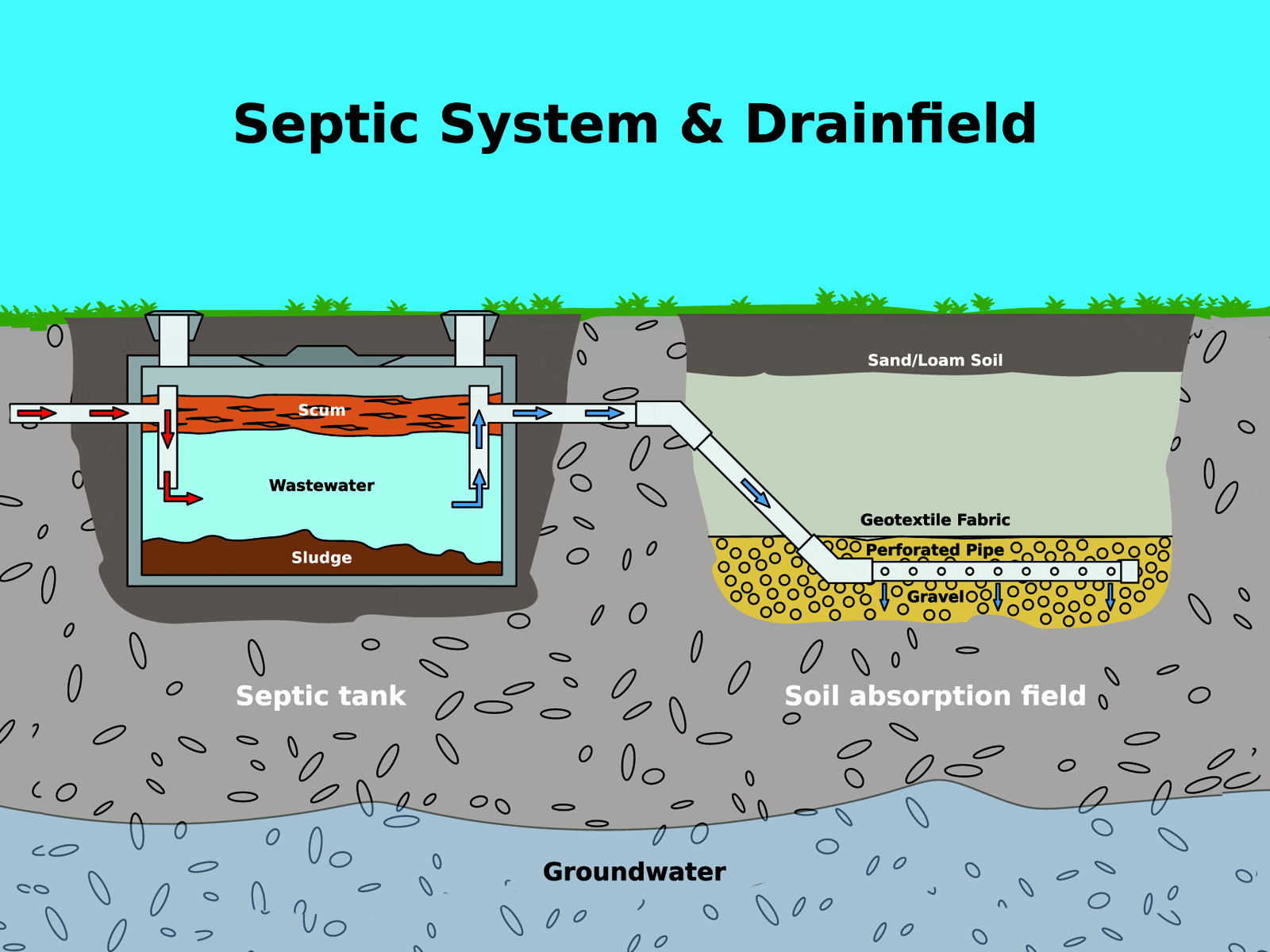
So, you’re staring at your yard, wondering about that mysterious tank buried underground. How much does it actually cost to drain a septic tank? Pull up a chair, because this is more interesting than you’d think—kind of like the hidden plumbing version of a treasure hunt.
First, let’s get real: the price isn’t fixed like a vending machine snack. It’s more like ordering a pizza—it depends on the size, toppings, and where you live. On average, you’re looking at $300 to $600 for a standard pump-out. But don’t let that number freak you out; it’s a small price for keeping your backyard from turning into a swamp.
Why the cost bounces around like a pinball
Your septic tank size matters—a lot. A 1,000-gallon tank for a family home costs less to drain than a 1,500-gallon beast for a big household. Think of it like a gas tank: bigger tank, more fuel, higher bill. Location adds another twist, too—rural areas might be cheaper, while city pros charge extra for travel and disposal fees.
Must Read
Then there’s the gross factor: the level of sludge and scum buildup. If it’s been five years since your last pump, that tank is a sticky, smelly time capsule. Pumpers often charge more for thicker waste because it takes longer to break down. Hey, nobody said handling your family’s leftovers was glamorous.
The hidden costs: what else might sneak up on you
Sometimes, the pump truck shows up and finds a surprise—like a cracked lid or tree roots hugging the pipes. That could tack on an extra $100 to $300 for repairs. Always ask for a full inspection before they start; it’s like a mechanic checking your tires before an oil change. And don’t forget permit fees—some counties require them, adding $20 to $100 to the total.
But here’s the cool part: draining your tank isn’t just gross maintenance—it’s a fascinating process. The pump sucks out the solid waste and scum layer, leaving the liquid that breaks down naturally. It’s like giving your backyard a detox, letting the good bacteria party on in the soil.
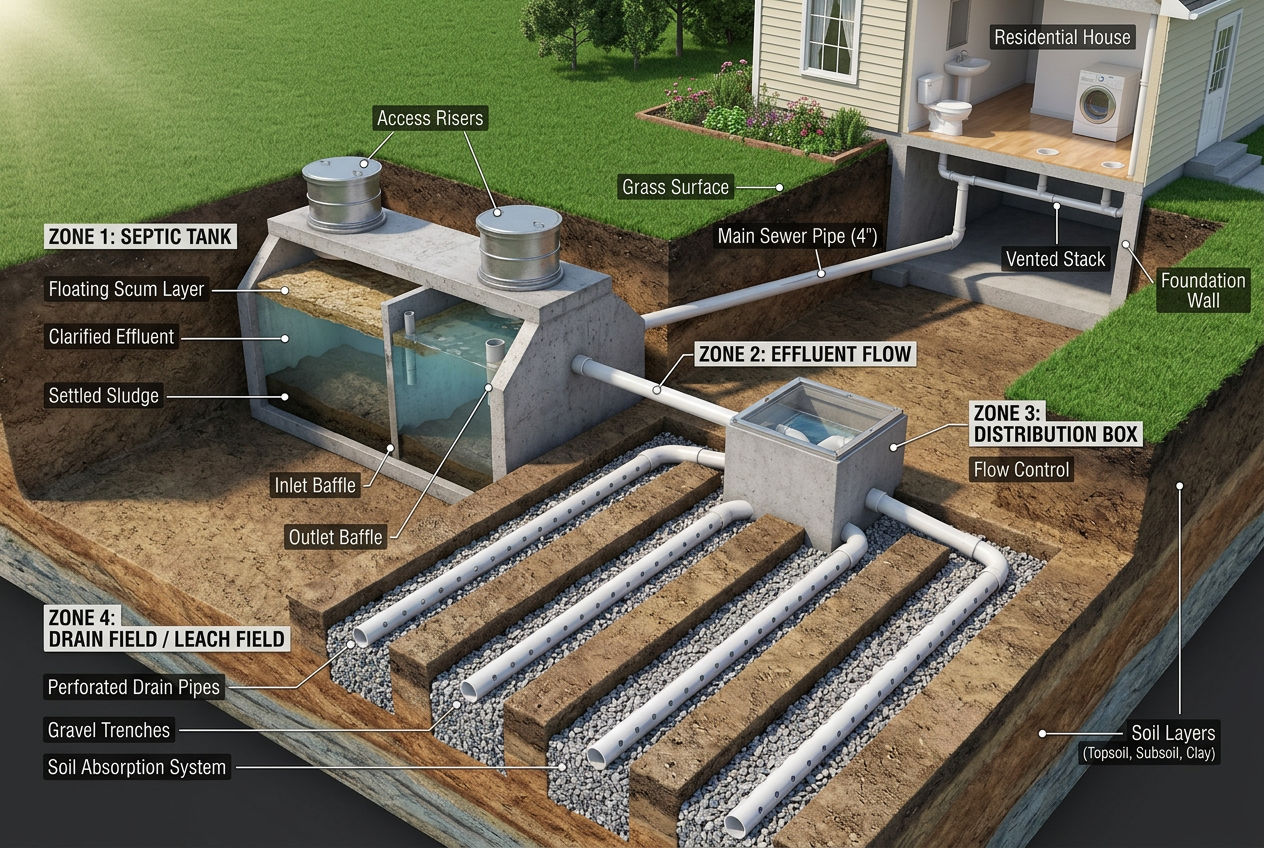 Septic System Diagram: Parts & How It Works
How often should you drain the piggy bank?
Most experts say every 3 to 5 years for a typical household. Why? Because a full tank can back up into your house, flooding your basement with, well, regrets. Compare it to changing your car’s oil—skip it too long, and you’re stranded with a hot mess. For a small family or a vacation home, you might stretch it to 6 years.
Curious if you’re overdue? Look for wet spots in your yard, a weird smell by the tank lid, or gurgling toilets. Those are your septic tank’s way of waving a white flag. Don’t ignore them unless you want a carpet of bad smells and an emergency bill that’s triple the standard cost.
The “fun” part: what the pump guy sees
When the truck arrives, the technician lifts the lid and peers into a world of layers. Top layer: scum (grease and soap bubbles). Middle layer: liquid wastewater. Bottom layer: sludge (solid particles that sank). It’s like a strange, smelly lasagna, and your job is to keep the layers balanced. Too much sludge? Time to call the pros.
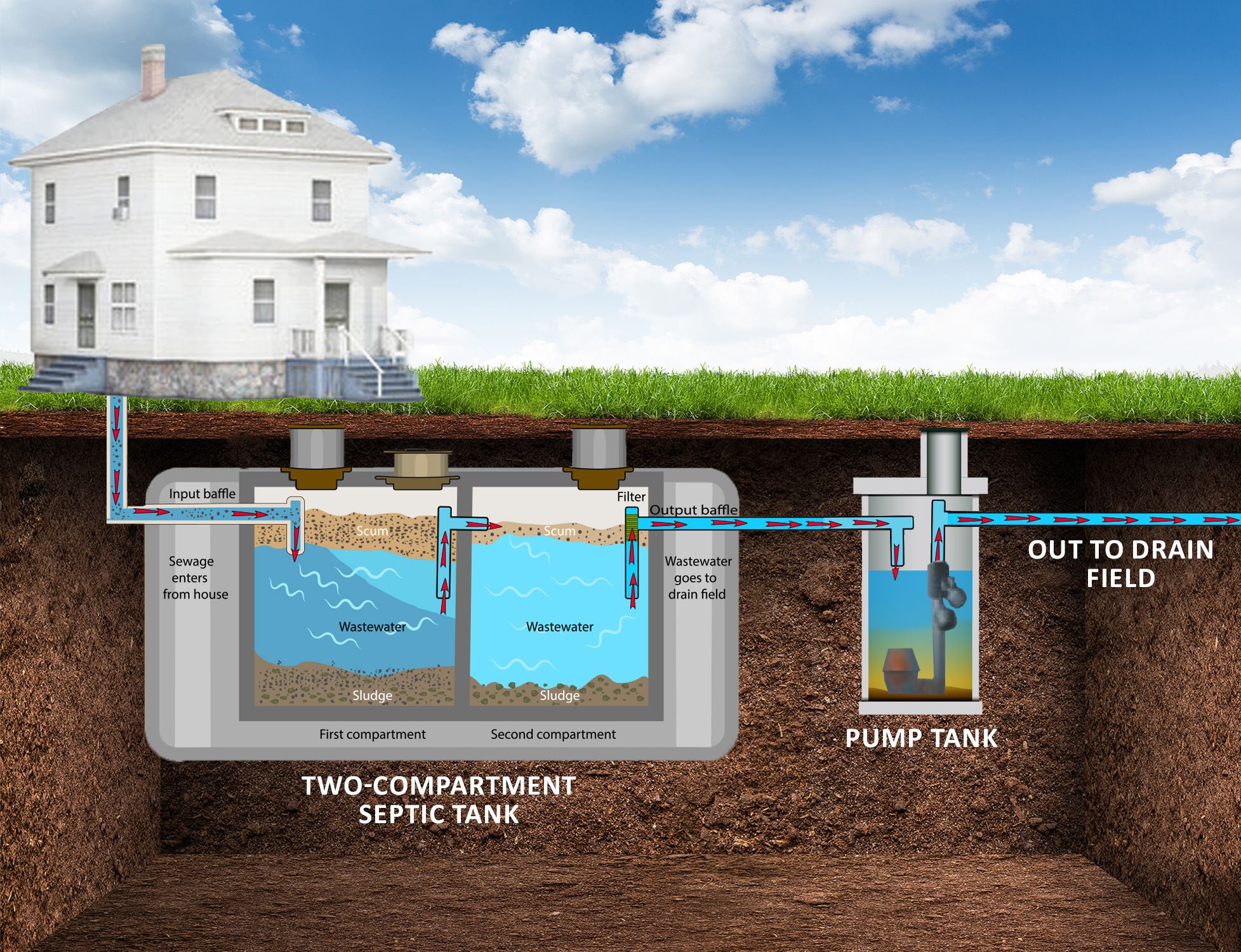 How Often To Drain Septic Tank
And here’s a wild fact: the bacteria inside your tank are tiny heroes. They break down solids into liquid and gas, doing their job 24/7. But they need oxygen and the right food—so don’t pour bleach or paint down the drain. That’s like giving them a poison smoothie. Respect your microscopic roommates, and they’ll keep your tank happy.
Should you DIY or call a pro?
Renting a pump and doing it yourself might sound like a fun weekend project, but it’s a terrible idea. Septic waste contains pathogens like E. coli and hepatitis—you don’t want that on your hands. Plus, pros have tanks that clean and haul the waste to treatment facilities. DIY is like trying to perform your own root canal without Novocain—painful, dangerous, and probably illegal in some towns.
Instead, save that energy for a reward: a healthy septic system lasts 20 to 40 years. Regular pumping (around $300 every 3 years) is way cheaper than replacing a $5,000 system. So, next time you flush, give a little nod to the tank beneath your feet—it’s working hard, and it deserves a date with the pump truck.
Ready to book your drain? Call a local company, ask for a price quote over the phone, and don’t forget to ask about inspection discounts. Your wallet—and your lawn—will thank you.
