What Is The Ph Level In Water

So, you’ve heard someone mention "pH levels in water," and your brain instantly went, "Uh-oh, science class flashbacks." Don’t panic. We’re going to make this as painless as s...

So, you’ve heard someone mention "pH levels in water," and your brain instantly went, "Uh-oh, science class flashbacks." Don’t panic. We’re going to make this as painless as sipping a glass of lemonade—just with fewer lemons and more nerdy jokes.
What Even Is pH?
pH stands for "potential of hydrogen," but let’s be real: it sounds like a fancy term for water’s mood. Imagine water is a party. A pH number tells you if the party is super chill (acidic), totally balanced (neutral), or wildly out of control (alkaline).
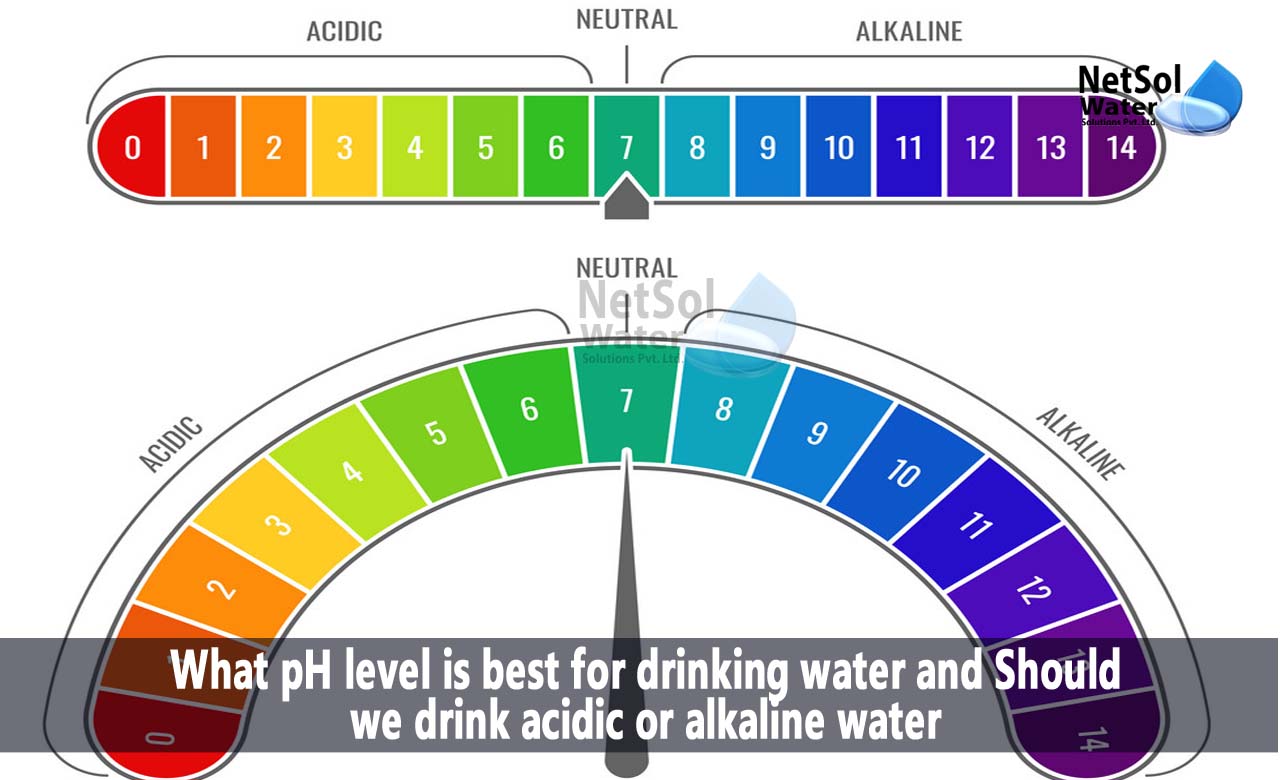
The scale runs from 0 to 14. Zero is the grouchiest acid you can imagine (like battery acid, yikes), and 14 is the cheerleader of bases (like bleach). Pure water sits right at 7—the perfect peacekeeper.
Must Read
Why Should You Care?
Honestly? Your fish, your plants, and your favorite water bottle care a lot. If you’re testing your tap water, pH affects taste, safety, and even copper pipes—nobody wants blue-tinged water that tastes like pennies.
And your body? It’s a pH ninja. Your stomach acid is around 2 (super sour, like a lemon’s mean cousin), but your blood needs to stay around 7.4. Don’t try to "balance" your body with water—your kidneys and lungs are already doing that for you, like unpaid interns.
The Scale: A Quick Tour
0 to 6.9: Acidic zone. Think vinegar, lemon juice, or your face when you bite a sour apple. Low pH water can taste tangy and may even corrode your plumbing.
7.0: Neutral. This is distilled water—basically water that went through a spa day and came out with zero drama. It’s fine for drinking, but a little boring.
7.1 to 14: Alkaline (a.k.a. basic). Baking soda is alkaline. So is seawater. Some people love alkaline water for its smooth, slightly sweet taste, though science says it probably won’t give you superpowers.
The "Acid or Base?" Joke
If you mix an acid and a base, they neutralize each other. Scientists call this a neutralization reaction. I call it the end of a very aggressive handshake. Just don’t try it with bleach and vinegar—seriously, don’t.
Is Low or High pH Dangerous?
Water with a pH of 6.5 to 8.5 is generally safe to drink according to the EPA. Below 6.5? You might get a metallic taste and maybe some dissolved copper in your glass—not a superhero origin story you want.
 Water pH level and alkaline vs acidic water: which is better
Above 8.5? It can taste bitter or like baking soda. Plus, it might leave white scale on your faucets, like a stubborn snowman that refuses to melt.
The Fish Tank Factor
If you have a fish tank, you must care about pH. Goldfish like 7.0 to 8.0, while tropical fish can be picky divas. Mess up the pH, and your fish might give you the silent gurgle of disapproval.
How Do You Test pH?
You can buy test strips or a digital pH meter. Just dip, wait, and compare the color to a chart. Pro tip: don’t test water right after a storm—rain creates carbonic acid and throws off your reading.
And no, you can’t tell the pH by looking at water. Unless it’s blue or purple (please don’t drink that), color is a liar. Trust the test, not your eyes.
Fun Fact: pH and Your Taste Buds
Ever notice that alkaline water tastes "smoother" to some people? That’s because your tongue feels less acid burn. It’s like the difference between a friendly handshake and a wet fish slap.
Common Myths, Smashed
Myth #1: "Alkaline water cures cancer." Nope. That claim has been debunked harder than a piñata at a toddler party. Drink alkaline water if you like the taste, but don’t skip your doctor’s appointment.
Myth #2: "You need to drink 8 glasses of alkaline water daily." Your body already regulates its pH. All you need is clean water—extra minerals are a bonus, not a requirement.
 What Is Alkaline Antioxidant Water
Myth #3: "Low pH water makes you acidic." False. Your body is a pH-regulation superhero, powered by your lungs and kidneys. Water is just the sidekick.
How to Adjust pH at Home
If your water is too acidic, you can add a few drops of baking soda solution (mix 1/4 tsp in a cup of water) to raise the pH. Too alkaline? A tiny squeeze of lemon juice will lower it. It’s basically cooking for your glass of water.
Whole-house pH filters exist, but they’re for folks with serious plumbing problems. Most people? Just drink the tap water unless your municipality gives you a warning.
The Bottled Water Trap
Bottled water companies love to put pH numbers on their labels—7.2, 8.5, 9.0. It’s marketing magic. Your tap water likely varies daily, and that’s totally fine. Don’t believe the hype unless you’re a pH strip influencer.
Wrapping It Up with a Smile
Here’s the truth: pH is just a number. It measures how many hydrogen ions are happily floating around, doing nothing dramatic. It’s not a personality test for your water, and it’s definitely not a reason to panic.
So next time someone says, "What’s the pH of your water?" You can confidently say, "It’s probably neutral, but also I’m not stressing about it." Because honestly, life’s too short to argue with water about its acidity.
Drink what you enjoy, stay hydrated, and remember: even the most acidic lemonade tastes sweet when you’re laughing with friends. Cheers to pH—your water’s chill, scientific vibe that you now totally understand. 🥤
