What Is In Contaminated Water

You know that feeling when you grab a glass of water from the tap, take a big gulp, and it tastes like the inside of a swimming pool? Bleh. That happened to me last Tuesday. I...
You know that feeling when you grab a glass of water from the tap, take a big gulp, and it tastes like the inside of a swimming pool? Bleh. That happened to me last Tuesday. I actually spat it back into the sink and gave the faucet a dirty look.
It got me thinking—if I can taste the weirdness, what else is lurking in there? We’re not talking about a fancy spa mineral blend here. We’re talking about the stuff that makes your nose wrinkle and your stomach do a backflip.
The Usual Suspects (aka the party crashers)
Let’s start with the obvious ones: sediment. Imagine a tiny pile of dirt, rust, and sand floating around your glass. Charming, right?
Must Read
Then there’s chlorine. It’s added on purpose to kill bacteria, which is good. But when there’s too much, your water smells like a public pool locker room. (And nobody wants that aroma in their morning coffee.)
Chemicals that don’t play nice—seriously, they’re jerks
Now for the heavy hitters: lead and copper. If your house has old pipes, you might be sipping on a metallic cocktail. Lead is toxic—especially for kids—and can cause serious brain and nervous system damage. (Yes, that’s as scary as it sounds.)
And then there’s nitrates, which sneak in from fertilizer runoff. You know, the stuff that makes your lawn green? Well, it can also turn your drinking water into a chemical soup that messes with your blood’s oxygen levels. Fun.
The invisible beast: microorganisms
Here’s where it gets gross. Bacteria like E. coli or parasites like Giardia and Cryptosporidium thrive in contaminated water. They’re microscopic party animals that cause diarrhea, cramps, and vomiting. (Yeah, you might want to sit down for this part.)
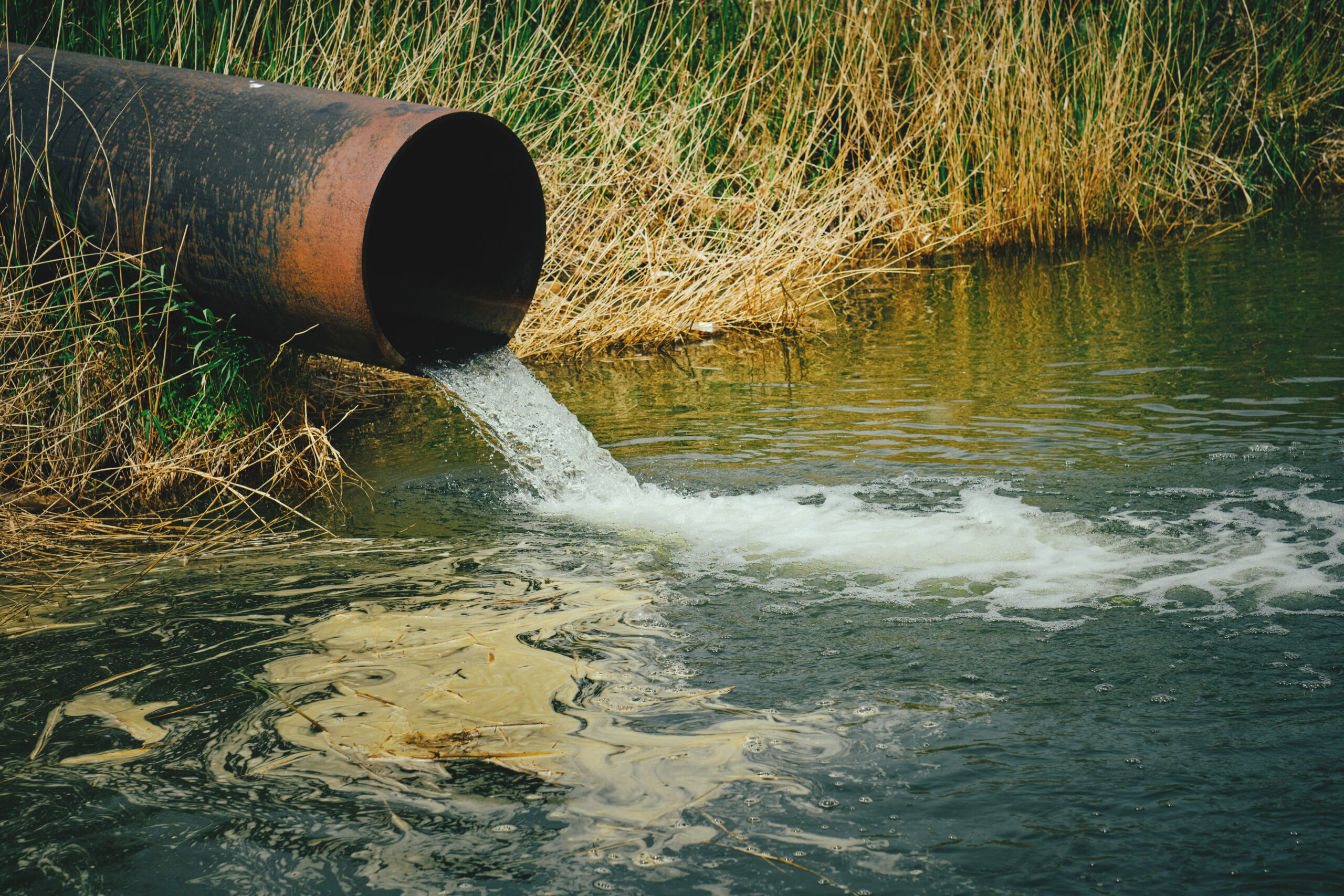 Chemical Water Pollution Effects On Environment
Think of them as uninvited guests who trash your gut. And they don’t always come from a muddy stream—that tap water at your friend’s cabin? Could have a whole ecosystem swimming in it.
The silent stowaways: pharmaceuticals and microplastics
Okay, this one really gets me. We’re flushing medication residues down the toilet—antibiotics, hormones, you name it. Those tiny molecules can survive water treatment and end up back in your glass. Cheers!
And microplastics? They’re basically tiny bits of plastic from water bottles, synthetic clothes, and car tires. They’re everywhere now—even in Arctic snow and human placentas. So yes, your water might contain a gritty, invisible plastic sprinkle.
But wait—it’s not all doom and gloom!
I’m not saying you should swear off water forever. (You’d die, and that’s dramatic.) The truth is, most municipal water in developed countries is tested and treated. But contamination spikes happen—after storms, pipe breaks, or industrial accidents.
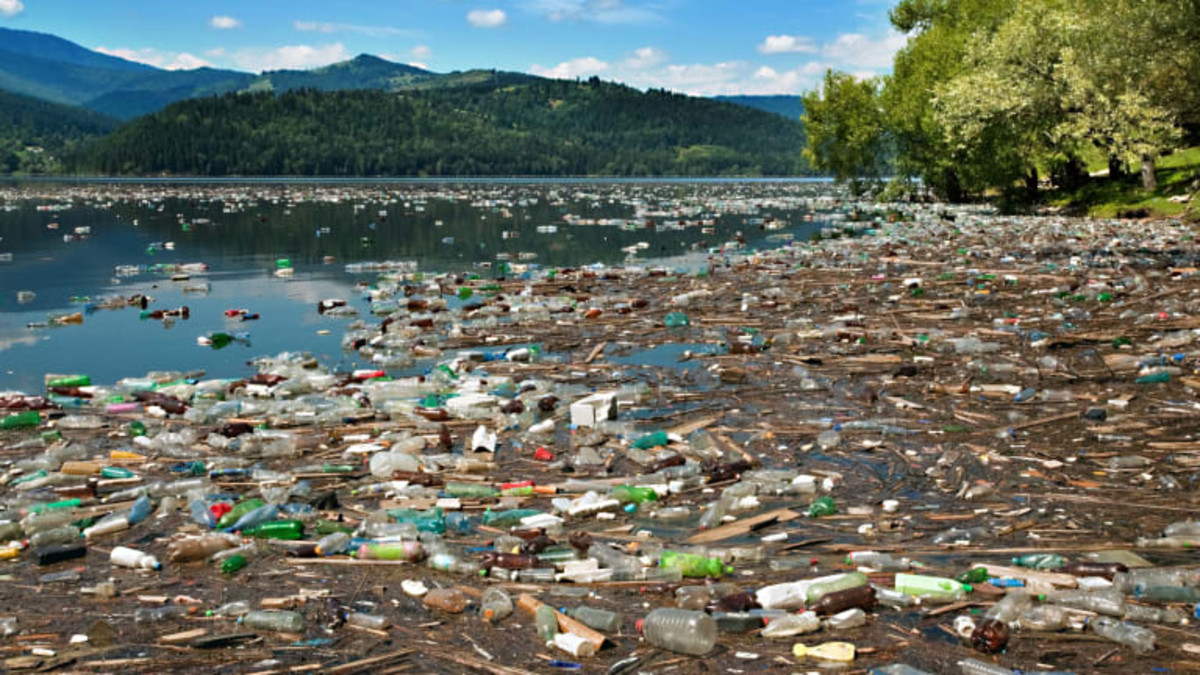 The Sources and Impacts of Water Pollution - HubPages
So, what can you do? First, test your water. Kits are cheap and easy to use. If you’re on a well, you should test annually for coliform bacteria, nitrates, and pH. (It’s like a check-up for your pipes.)
Second, consider a good filter. Not the carafe that just makes it taste okay—look for one certified to remove lead, chlorine, and cysts. Think of it as a bouncer for your glass, keeping the riffraff out.
The ironic twist
Here’s the ironic part: we spend billions on bottled water, but much of it tested worse than tap water in some cases. And plastic bottles? They’re the source of many microplastics in the first place. You can’t make this stuff up.
So the next time your tap water tastes a little off, don’t panic. Just chuckle, remember you’re not alone, and give that water a second look. Or at least a filter. Your gut—and your inner detective—will thank you.
