What Is Non Chlorinated Water

What’s the Deal with Non-Chlorinated Water? So, you’ve heard the term “non-chlorinated water” floating around, and you’re probably thinking, “Wait, isn’t all water just… wate...

What’s the Deal with Non-Chlorinated Water?
So, you’ve heard the term “non-chlorinated water” floating around, and you’re probably thinking, “Wait, isn’t all water just… water?” I get it. It sounds like a fancy marketing term for something that’s just extra wet. Let’s clear the air (and the water) together, shall we?
In a nutshell, non-chlorinated water is exactly what it sounds like: water that hasn’t been treated with chlorine. Think of it as the au naturel version of your tap water, before the city gives it a chemical makeover. It’s the kind of water you’d find in a pristine mountain spring or a well, not your kitchen sink.
Why does this matter? Well, chlorine is a superhero in the water treatment world—it kills germs, bacteria, and all sorts of nasty stuff that could make you sick. But not everyone wants a superhero in their glass. Some folks prefer their water to be a little more… back-to-basics.
Must Read
Who’s the Target Audience for This Stuff?
You might think non-chlorinated water is only for survivalists living off the grid or fancy aquarium owners. But it’s actually for everyone who cares about taste, plants, and their overall vibe. Plants, for example, absolutely hate chlorine. They’ll droop their little leaves and give you the silent treatment if you water them with chlorinated tap water.
Fish are even bigger divas about it. If you pour chlorinated water into a fish tank, you’ll have a bunch of very grumpy guppies. That’s why aquarium nerds (said with love!) always use non-chlorinated water. And let’s not forget the tea snobs out there—they swear non-chlorinated water makes their Earl Grey taste crisper and less like a swimming pool.
How Do You Get Non-Chlorinated Water?
Great question, and don’t worry—you don’t have to move to a remote cabin in the woods. The easiest way is to buy a simple water filter, like a Brita or a reverse osmosis system. These filters remove chlorine, giving you that fresh, clean taste without the chemicals. It’s like giving your water a spa day.
Another trick? Fill a pitcher with tap water and let it sit in the fridge for 24 hours. The chlorine will naturally evaporate into the air. Boom—instant non-chlorinated water! Just don’t forget about it for three days, or you’ll end up with science project water. (Trust me, I learned that the hard way.)
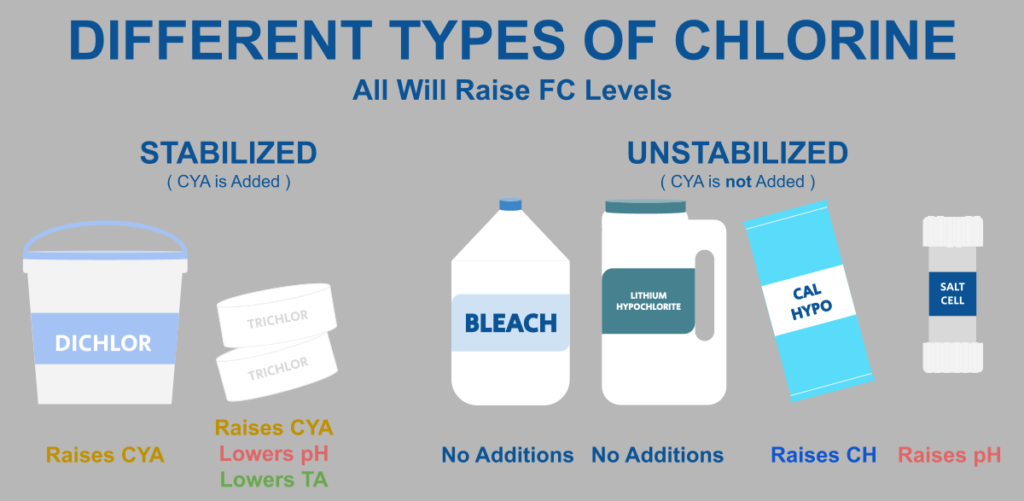 Chlorine Bleach Pool
You can also collect rainwater, but that requires a bucket, some patience, and a hopeful attitude toward the weather forecast. Rain is nature’s original non-chlorinated water, but it comes with zero guarantees.
The Great Taste Debate
Here’s where things get personal: does non-chlorinated water actually taste better? Some people say it tastes “softer” or “smoother,” like a sip of a gentle stream. Others say it tastes like… well, nothing. That’s the point! Chlorine can leave a weird, slightly chemical aftertaste, like you’re drinking from a public pool fountain. If you’ve ever grimaced at that sharp, bleachy flavor, you know what I mean.
Personally, I’m team non-chlorinated when I’m making iced tea or coffee. My morning brew deserves better than a chlorine tang. But for everyday hydration? I’m flexible. Tap water is still a hero—it’s safe, cheap, and saves the planet from plastic bottles. No shade to the tap, okay?
Is Non-Chlorinated Water Safe to Drink?
Yes—if it’s from a clean source. But here’s the reality check: if you’re buying it bottled or filtering it yourself, it’s totally safe. If you’re scooping it straight from a muddy puddle? Not so much. The reason cities add chlorine is to keep you alive. Without it, you’re one sip away from a very angry stomach.
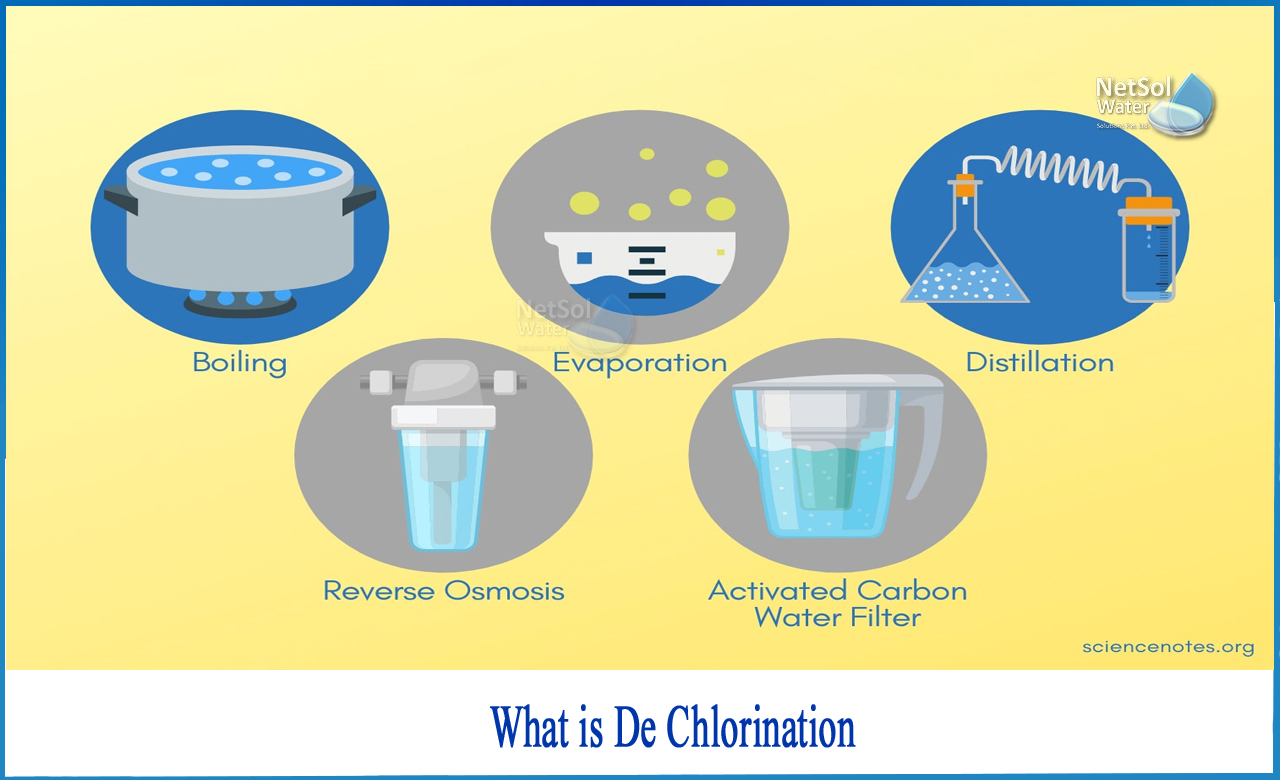 Annexe 4 Chlorination Of Drinking-Water – NHGA
So, unless you know the water’s history (like from a tested well or a spring), don’t go wild drinking untreated water from the lake. You’re not a mountain goat. You have standards.
The Awesome Perks of Going Chlorine-Free
Still on the fence? Consider this: non-chlorinated water is a gentle giant. It’s kinder to your skin (no more dry, chlorine-zapped showers!) and your hair won’t feel like straw after washing it. Some people even swear it helps with eczema and sensitive scalps. Plus, if you have a fancy fish tank or a prized orchid collection, they’ll throw a tiny party in your honor.
And let’s be real—there’s something romantic about the idea of drinking water that hasn’t been chemically altered. It feels wild and free, like you’re a character in a nature documentary. Just ignore the fact that you’re probably drinking it from a plastic Brita pitcher in your kitchen. The dream is still alive.
Bringing It All Together: A Sip of Happiness
So, what have we learned? Non-chlorinated water is just water without the chemical gatekeeper. It’s a choice, not a necessity—a preference for the purists, the plant parents, and the people who want their tea to taste like tea. It’s not better; it’s different. And different can be a wonderful thing.
Whether you go full-on mountain stream or stick with your trusty tap, remember this: water is a gift. It flows, it hydrates, and it literally keeps you alive. So, the next time you take a sip—chlorinated or not—smile. You’re doing something amazing for your body. And if you accidentally taste a hint of pool water? Just pretend you’re on vacation. Splash and enjoy, my friend.
