What Is Purification Of Water

Think about the last time you filled a glass of water from the tap. You probably didn’t give it a second thought, right? That clear, cool liquid is something most of us take f...

Think about the last time you filled a glass of water from the tap. You probably didn’t give it a second thought, right? That clear, cool liquid is something most of us take for granted—but it’s actually a tiny miracle of science and engineering. Water purification is the process of removing the yucky stuff—dirt, chemicals, germs, and weird tastes—so what comes out is safe to drink.
Imagine you’re at a friend’s backyard barbecue. You grab a bottle of water from a cooler, and it tastes a little like plastic or even... pond? That’s exactly why purification matters. It’s your invisible shield against things you can’t see, like bacteria or leftover pesticides from farm runoff.
What Actually Happens When Water Gets Purified?
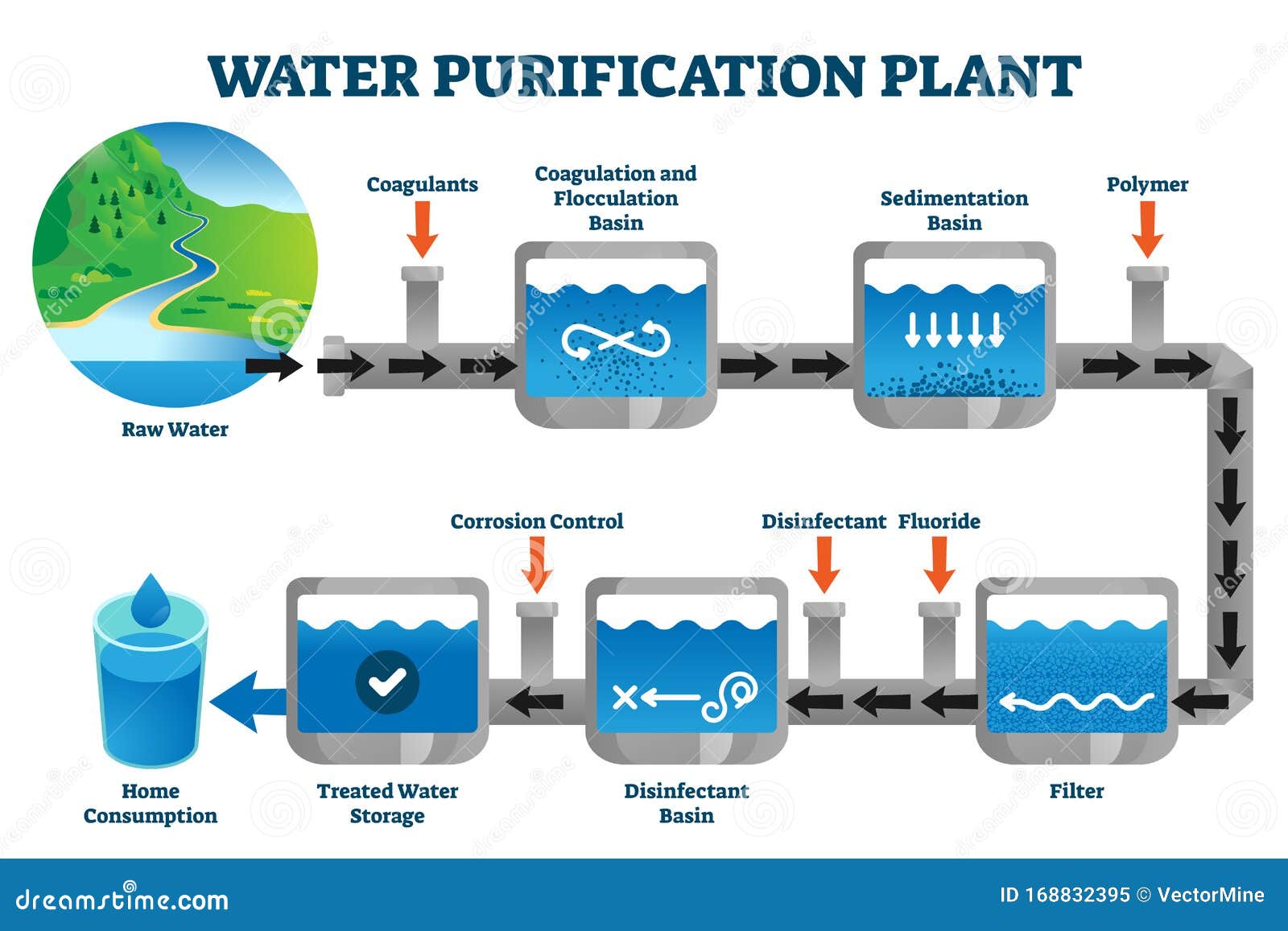
Let’s break it down without getting too nerdy. First, water goes through filtration—kind of like pouring spaghetti through a colander, but way more detailed. Giant filters catch sand, rust, and even microscopic bits of junk.
Must Read
Then comes disinfection. This is where things like chlorine or UV light zap any living creepers (think tiny germs that could make you sick). It’s like giving your water a superhero-level bodyguard.
Some systems even use reverse osmosis, which sounds complicated but is basically pushing water through a super-fine membrane. Picture a very picky bouncer at a nightclub who only lets the H₂O molecules through, while keeping out everything else.
Why Should You Care? (Hint: It’s Not Just About Taste)
Here’s the thing: you might think your tap water is fine, and most of the time, it is. But even treated city water can pick up lead from old pipes or chlorine byproducts that taste like a swimming pool. Purification gives you control—you’re the boss of what goes into your body.
I once had a roommate who swore his tap water gave him “weird headaches.” He bought a simple pitcher filter, and poof—headaches gone. Was it placebo? Maybe. But he felt better, and that’s what matters. A little peace of mind goes a long way.
Also, think about your morning coffee. If your water tastes like metal, your coffee will taste like a rusty spoon. Good water = good coffee = good day. Science doesn’t lie about that.
 Water Filtration Process Diagram
Everyday Heroes: How We Purify Water Without Even Trying
You might already be purifying water and not realize it. That Brita pitcher in your fridge? That’s activated carbon filtration—it snatches up chlorine, bad odors, and weird flavors. It’s like a sponge for grossness.
Camping fans, you know the drill: boiling water for ten minutes kills almost everything. It’s the oldest trick in the book, and it works. But don’t forget to let it cool before you chug it—no one wants a burnt tongue on a mountain hike.
Even sediment filters on your garden hose can help. If you water your tomato plants with cruddy water, guess what? Sad tomatoes. Purification isn’t just for people—it’s for your plants, your pets, and your peace of mind.
The Fun Part: Amazing Stories of Pure Water
Did you know astronauts on the International Space Station recycle their pee into drinking water? Yes, really. They use advanced purification systems that make that icky thought totally safe and sterile. If they can do it in space, a simple filter at home is a walk in the park.
Or consider this: In some countries, people use sand and gravel filters to clean water for whole villages. It’s low-tech but genius. Layers of sand trap dirt, and sunlight kills germs. It’s like a science fair project that saves lives.
But you don’t need to build a sandcastle in your kitchen. A good countertop filter or a faucet-mounted one can transform your tap water from “meh” to “ahhh.” It’s an upgrade you can taste.
 Uv Water Purification Diagram
What’s the Catch? (Spoiler: There Isn’t One)
Some folks worry about “over-purifying” water, thinking they’ll miss out on healthy minerals. Sure, distillation strips everything out, but most home filters keep the good stuff like calcium and magnesium. Balance is key.
The biggest catch? Cost. A basic pitcher filter is cheap, but a whole-house system can cost a few hundred bucks. Still, compare that to buying bottled water every week—your wallet and the planet will thank you.
And let’s be real: plastic bottles are a pain. Purifying your own tap water means fewer trips to the recycling bin and more room in your life for things that actually matter, like binge-watching your favorite show.
So, Should You Start Purifying Your Water?
Only if you want to feel like a hydration ninja. Whether you’re a filter-pitcher person, a boiling enthusiast, or a high-tech UV wand warrior, the goal is the same: clean, great-tasting water that doesn’t make you think twice.
Next time you fill a glass, remember: purification is not magic—it’s just smart. And you’ve got the power to make every sip a little safer, a little better. Go ahead, take a drink. You’ve earned it.
Cheers to clean water, my friend. Now go hydrate.
